Moeve Orders 60 Heat Exchangers for 300 MW Onuba H2 Hydrogen Plant
Moeve has selected Alfa Laval to supply 60 heat exchangers for the first 300 MW phase of its Onuba H2 renewable-hydrogen project in Huelva, Spain. The procurement follows a final investment decision and moves the planned 45,000-tonne-per-year facility into industrial execution.
Equipment order follows investment decision
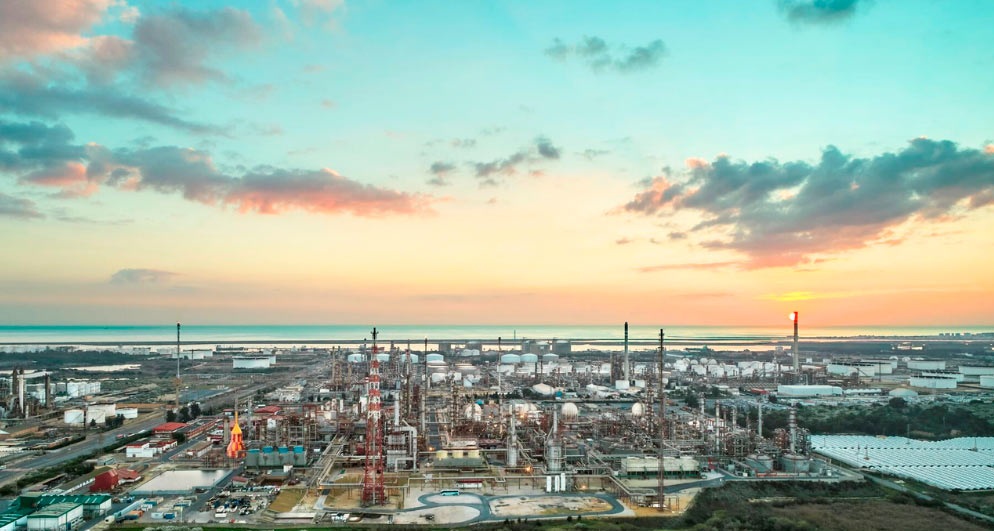
Moeve has selected Alfa Laval to supply 60 heat exchangers for the first 300 MW phase of the Onuba H2 renewable-hydrogen plant at its La Rábida energy park in Palos de la Frontera, Huelva. The order moves the Spanish project beyond capacity announcements and into the procurement of equipment required for industrial operation.
According to energias-renovables.com, the heat exchangers will cool the electrolysers, the gases they produce and the plant's auxiliary systems. Maintaining these systems within precise thermal limits is necessary for efficient, reliable and safe hydrogen production at scale.
The contract is particularly significant because Moeve took a final investment decision on the initial 300 MW phase in March. That commitment distinguishes Onuba H2 from European renewable-hydrogen proposals that still depend on permits, financing or firm purchase agreements before construction and equipment orders can proceed.
The procurement also illustrates the range of industrial suppliers involved in a large hydrogen development. Beyond electrolysers, such plants require cooling equipment, electrical systems, water treatment, compression, storage and gas-management infrastructure. Orders across those categories could support a broader supply chain around Spain's emerging hydrogen production and consumption hubs.
Annual output targeted at 45,000 tonnes
The 300 MW plant is designed to produce approximately 45,000 tonnes of renewable hydrogen annually, energias-renovables.com reported. Moeve plans to use the output to reduce emissions from its own industrial facilities and to supply sectors that are difficult to electrify directly, including certain energy-intensive processes, chemicals and heavy transport.
Investment in the committed first phase will exceed €1 billion. That figure covers the industrial installation and photovoltaic generation intended for self-consumption, linking the economics and operating profile of the electrolysers to the availability and cost of renewable electricity.
The development could eventually add another 105 MW, taking total capacity to 405 MW. However, the second phase remains conditional on securing electrical capacity and receiving a further corporate approval. The currently committed capacity therefore remains 300 MW rather than the project's potential maximum.
The full 405 MW development received €304 million through Spain's Recovery Plan. The scale of that public support makes Onuba H2 an important test of whether Spanish and European funding can translate planned hydrogen capacity into operating assets and measurable replacement of fossil-based hydrogen.
Commercial demand remains the key test
The European Commission has designated the Andalusian Green Hydrogen Valley as a project of common interest. That status may help with permitting and access to financing, but it does not by itself establish the commercial viability of the plant or guarantee that industrial consumers will accept the price of its hydrogen.
Several questions therefore remain beyond the Alfa Laval order. These include the proportion of the planned annual output covered by binding purchase commitments, the prices buyers will pay, the volume of renewable electricity required during actual operating hours and the eventual utilisation rate of the equipment.
For industrial users, the project could create a significant source of domestically produced renewable hydrogen in southern Spain. Its effect will depend on whether Moeve can convert the planned output into concrete substitution of fossil hydrogen within its own operations and into reliable supply for external consumers.
Onuba H2 will consequently be judged less by its announced capacity than by delivery against its timetable, final construction costs, equipment utilisation and contracted demand. The order for 60 heat exchangers provides evidence that procurement is advancing, while the project's longer-term competitiveness will depend on operating performance and the price gap between renewable and conventional hydrogen.