Migros recalls smoked salmon batch after Listeria finding
Migros has withdrawn a specific batch of smoked salmon after Listeria monocytogenes was detected during routine quality control. Customers should not consume the affected product and may return it for a full refund.
Routine testing prompts immediate withdrawal
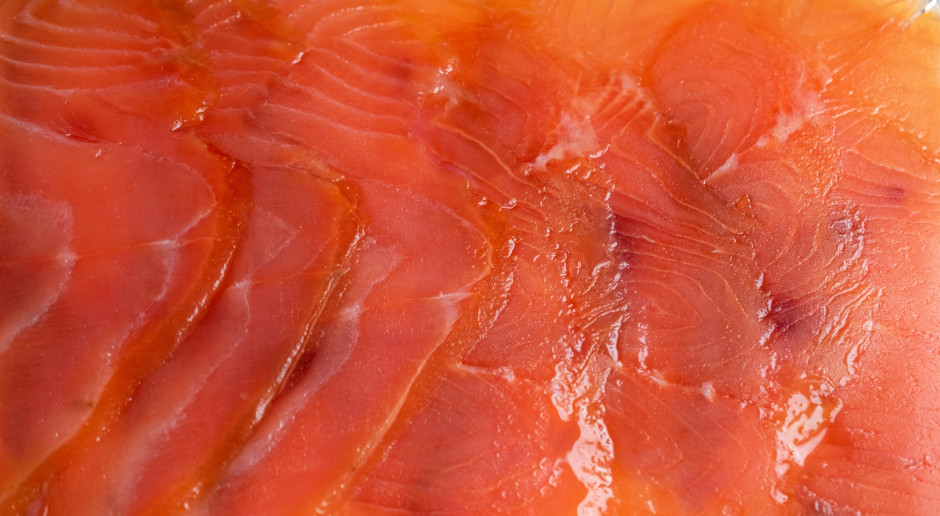
Migros-Genossenschafts-Bund has started recalling a specific batch of smoked salmon after routine quality control detected Listeria monocytogenes. According to Polish healthcare publication Rynek Zdrowia, the retailer immediately removed the affected product from sale because a risk to consumer health could not be excluded.
Migros is advising customers not to consume salmon from the identified batch. Consumers who have already purchased it can return the product to a store and receive a full refund. Rynek Zdrowia, citing the Merkur news portal, reported that customers who ordered the salmon online are expected to be contacted individually by customer service.
The source material does not provide the product’s brand, package size, batch number, use-by date, sales period or the number of units affected. That limits the available assessment of the recall’s commercial scale. Consumers therefore need to rely on the detailed product information distributed by Migros through its own recall notice and customer-service channels.
Listeria presents an uneven health risk
Listeria monocytogenes infections are often mild or asymptomatic in otherwise healthy people. The risk of severe illness is substantially greater for vulnerable consumers, however. Rynek Zdrowia reports that serious cases of listeriosis can lead to sepsis or meningitis.
Symptoms may appear as late as several days after the contaminated food was consumed. The commonly reported signs listed by the publication include diarrhoea, vomiting, fever and muscle pain. People in higher-risk groups who develop concerning symptoms after eating the recalled product are advised to contact a doctor promptly. Early diagnosis and treatment can reduce the risk of serious complications.
The recall instruction is unambiguous: the affected salmon should not be eaten, even if its appearance, smell or taste seems normal. Returning the package also gives the retailer and supplier a clearer view of how much recalled stock has reached consumers rather than remaining within the distribution system.
Traceability is central to the response
For smoked-fish producers and retailers, the incident highlights the importance of routine microbiological testing and batch-level traceability. The quality check identified the pathogen before the entire affected batch had been consumed, allowing Migros to halt sales, notify customers and offer refunds. Direct outreach to online buyers may make that part of the recall more targeted because purchase records can identify recipients.
The available report does not identify the producer, processing site or possible source of contamination. It also does not say whether other batches or products are under investigation. Without those details, there is no basis for assessing wider effects on salmon processing, supply contracts or retail availability.
The immediate implications are therefore concentrated on the named batch and the businesses responsible for removing it from circulation. Retail stores must isolate any remaining inventory, customer-service teams must process notifications and refunds, and suppliers may need to review production and sanitation records. Any broader market impact will depend on whether subsequent testing confines the finding to this batch or identifies a wider problem.