Microplastics detected in all 15 Turkish black tea bag brands tested
Researchers found microplastic particles in samples from all 15 black tea bag brands tested in Turkey. PET represented 60.47% of the identified particles, although the study classified the average polymer risk index of 10.80 as low.
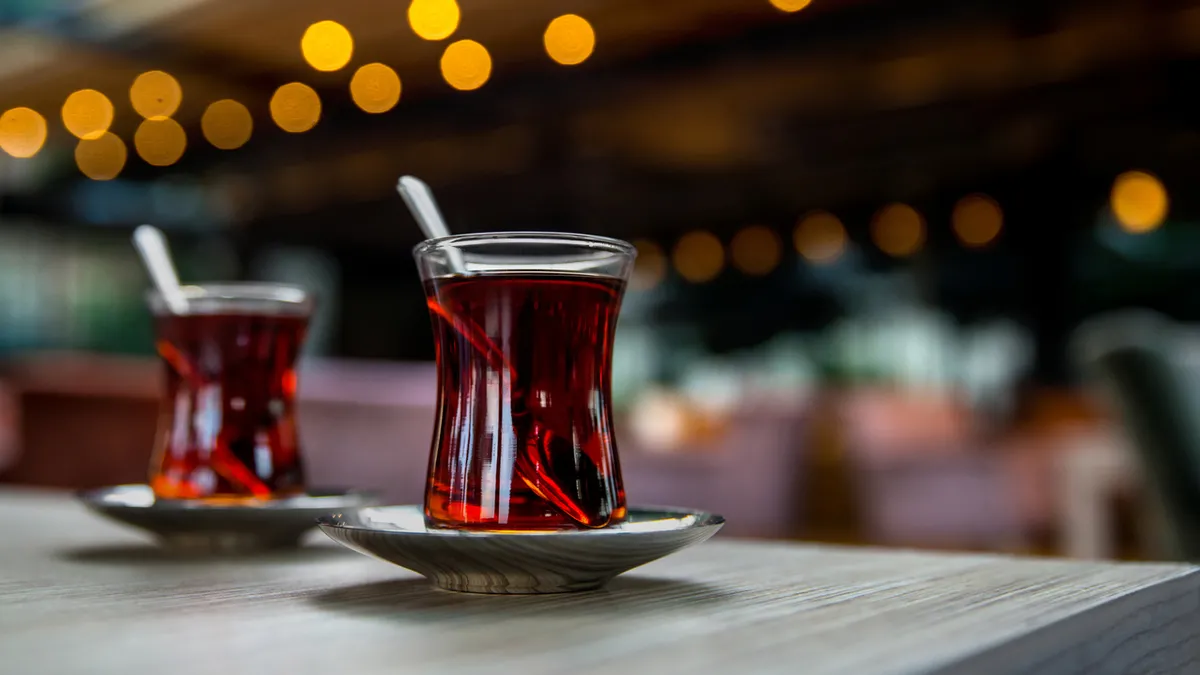
Tests cover 15 brands and 30 samples
Researchers from Recep Tayyip Erdoğan University detected microplastic particles in every one of 15 black tea bag brands examined in Turkey, Fotomaç reported. The study covered 30 samples purchased from supermarkets and online sales channels and included both single-cup tea bags and larger bags intended for teapots. Brand names were not disclosed; the products were coded from A to O.
The findings are particularly relevant in Turkey, which Fotomaç describes as the country with the world’s highest tea consumption. Tea is brewed repeatedly in many households throughout the year, making the composition of tea bags and their behavior in hot water an issue for manufacturers, retailers, food-safety authorities and consumers. The reported results concern bagged black tea rather than the entire Turkish tea market.
PET accounts for most identified particles
The researchers analyzed the bags and tea samples separately and used attenuated total reflectance Fourier-transform infrared spectroscopy, or ATR-FTIR, to determine the particles’ composition. Seven polymer types were identified: PET, EVA, PA, PVA, PAN, nylon-6 and polypropylene. PET, or polyethylene terephthalate, accounted for 60.47% of the detected microplastics, followed by EVA and polyamide.
Microplastics are generally described in the report as plastic particles measuring between 1 micrometre and 5 millimetres. Plastic materials can take centuries to break down in nature, fragmenting into smaller particles during that process. The study did not establish that the tested products cause a specific disease. Its average polymer risk index was 10.80, which the researchers classified as a low risk level, while noting that tea bags could represent one route of exposure to microplastics.
Separate studies show wide variation
A separate investigation by Meral Yurtsever, an associate professor in the Environmental Engineering Department at Sakarya University’s Faculty of Engineering, found microplastics in 4 of 11 single-cup bags and all 11 teapot bags tested across different brands. She reported that approximately 13,000 microplastic particles could pass from one teapot bag into the drink. Her analytical method could detect particles ranging from 3 micrometres to 5 millimetres.
Research published by McGill University researchers in 2019 produced much higher particle counts under different conditions. Brewing one plastic tea bag in water at 95 degrees Celsius released about 11.6 billion microplastic and 3.1 billion nanoplastic particles, according to that study, which identified nylon and PET in the bags. These figures should not be compared directly with the Turkish study because the methods and products differed. Research into the effects of microplastics on human health remains ongoing, so the available findings do not support definitive claims that tea bags are poisonous or that the detected particles necessarily cause cancer. For the tea industry, the immediate questions concern material selection, testing standards, supplier controls and clearer evidence on how particles enter brewed tea.