Mexican lawmakers weigh higher beer tax and levy on high-sodium processed foods
Mexican lawmakers are considering an additional charge of 0.60 to 1 peso per beer and a new tax on processed foods carrying an “Excess sodium” warning. The beer proposal could raise about 6.5 billion pesos, but neither measure has been approved.
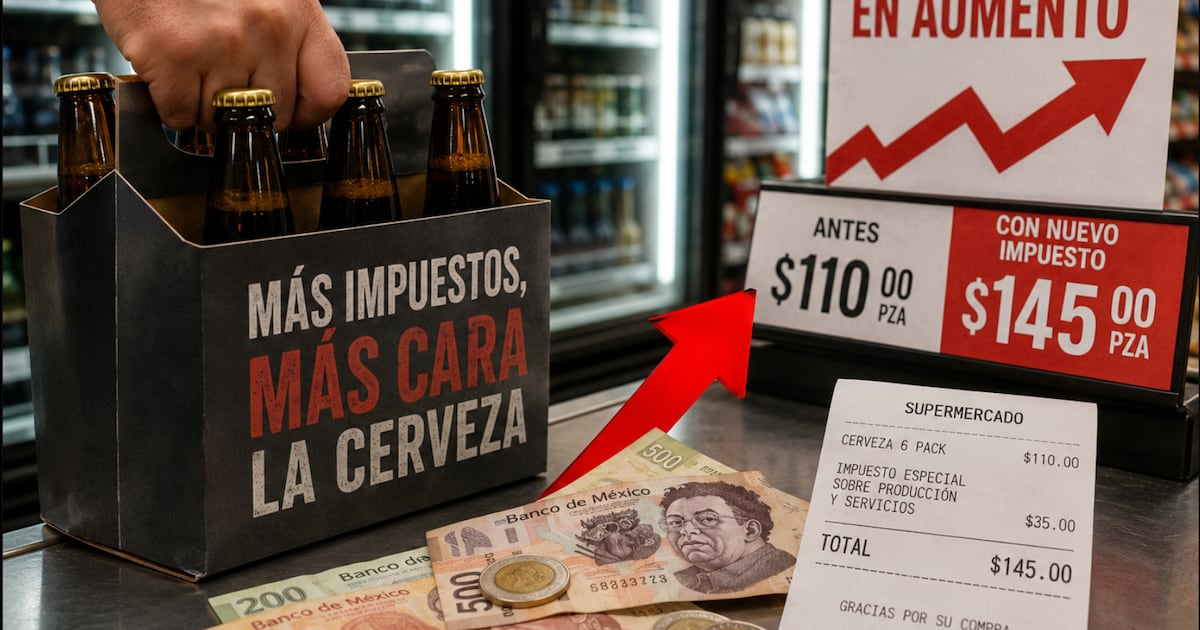
Beer levy enters the 2027 budget debate
Mexico’s Chamber of Deputies is considering a higher tax on beer as part of preparations for the 2027 Economic Package. The proposal under review by the Finance Committee would add between 0.60 and 1 peso per unit, depending on the product’s price and format, according to Publimetro and Diario del Yaqui. It remains a legislative proposal rather than an approved price increase or tax.
The measure could generate approximately 6.5 billion pesos in additional federal revenue. Diario del Yaqui reports that combined receipts from the Special Tax on Production and Services, known as IEPS, and value-added tax would rise from about 140.586 billion pesos to 147.037 billion pesos under the recommended scenario, an increase of close to 4.6%.
Market share drives the fiscal case
Beer accounts for approximately 93.1% of the alcoholic-beverage volume sold in Mexico but contributes about 63.3% of the sector’s IEPS revenue, according to figures presented during the legislative discussions. Distilled spirits represent 6.3% of volume and 33.3% of revenue, while wine accounts for 0.6% and 3.5%, respectively. Beer is therefore the largest revenue source in the category, but its contribution is lower than its share of physical sales.
Alcoholic drinks are currently taxed through an ad valorem IEPS system, under which the charge is calculated as a percentage of the selling price. They are also subject to 16% value-added tax. The Commission for the Wine and Spirits Industry, or CIVyL, favors replacing the existing method with an ad quantum model based on each product’s liters of pure alcohol.
CIVyL argues that the present system can treat inexpensive, high-strength drinks differently from higher-value products with protected origin or more costly production, including tequila, mezcal and craft beer. The organization estimates that 44.2% of distilled-spirit consumption comes from the informal market, causing annual tax evasion of roughly 19.5 billion pesos. It warns that higher rates under the current model could push more consumers toward illegal products. CIVyL estimates that a tax based on alcohol content could itself add about 3.9 billion pesos in revenue.
Processed foods may face a sodium tax
Lawmakers are also studying a levy on processed foods that exceed specified sodium thresholds and carry the front-of-pack warning “Excess sodium.” Potentially affected categories include some instant soups, ramen and dressings, although no definitive product list, tax rate, collection mechanism or effective date has been established.
Deputy Vanessa López Carrillo said the food measure should encourage manufacturers to reformulate products and curb excessive sodium consumption, in addition to raising revenue. Both proposals must still pass through the legislative process and be incorporated into the fiscal rules approved by Congress. Until then, beer producers, retailers and processed-food manufacturers face a policy scenario rather than an enacted cost increase.