Mexico’s Leche para el Bienestar Procures Record 760.1 Million Liters
Mexico’s Leche para el Bienestar purchased a record 760,135,339 liters of fresh milk from domestic producers between July 2025 and July 2026. The program expanded its supplier base, collection infrastructure and subsidized distribution network while adding more than 920,000 beneficiaries.
Domestic milk purchases reach a record
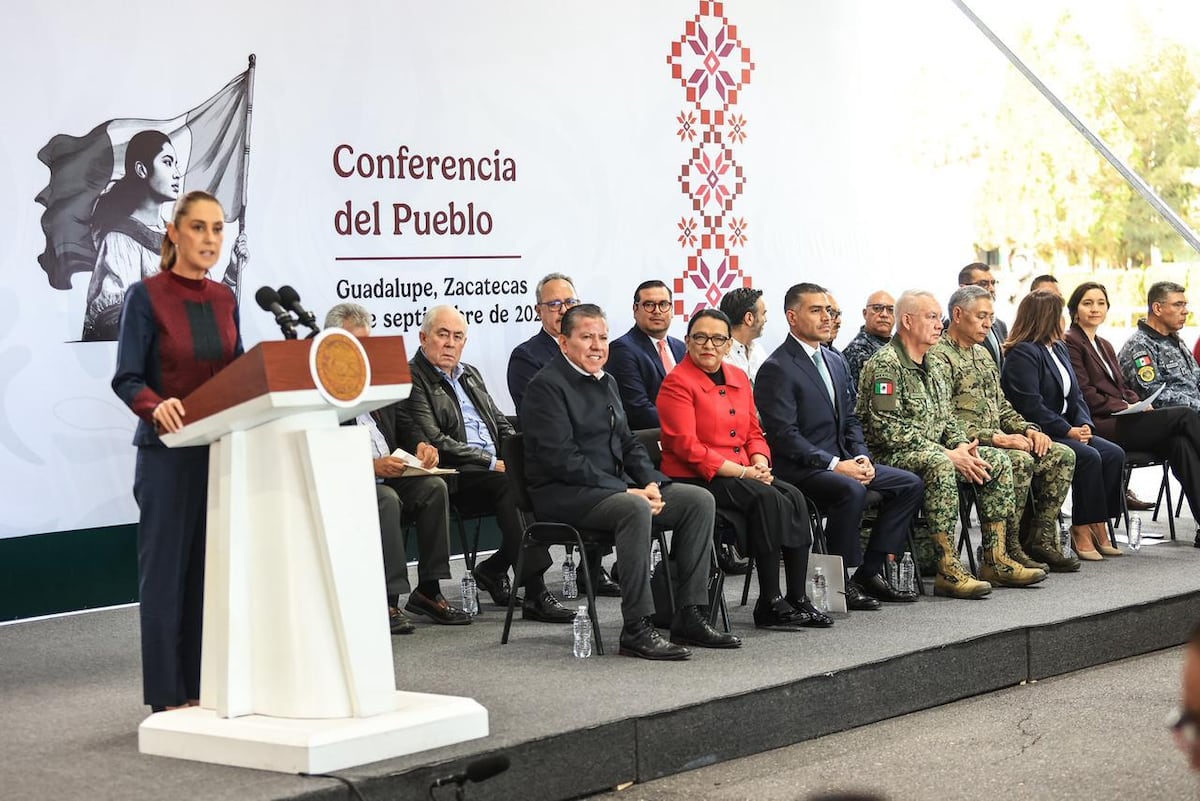
Mexico’s Leche para el Bienestar program procured 760,135,339 liters of fresh milk from domestic producers between July 2025 and July 2026, its highest volume on record. Antonio Talamantes Geraldo, general director of Leche para el Bienestar S.A. de C.V., described the result as historic growth in purchases from the country’s small and medium-sized dairy farmers, according to Crónica.
The government program buys domestically produced fresh milk and distributes fortified milk to people experiencing food insecurity at prices below those in the commercial market. Federal government figures cited by Crónica indicate that Leche para el Bienestar can cost as much as 80% less than commercial milk. The procurement volume therefore links two parts of Mexico’s dairy market: a public outlet for domestic farm production and subsidized access for qualifying households.
The program’s registered supplier base increased by 283 farmers during the period, reaching 3,183 small and medium-sized producers. Its number of directly operated collection centers rose from 52 in 2025 to 63 in 2026. These facilities are located across 14 states: Aguascalientes, Campeche, Chiapas, Chihuahua, Coahuila, Guanajuato, Hidalgo, Jalisco, Michoacán, Oaxaca, Querétaro, Tabasco, Veracruz and Zacatecas.
Distribution network reaches 7.8 million people
Leche para el Bienestar added 920,828 beneficiaries over the year, taking national enrollment to 7,768,305 people. Children aged 6 months to 12 years and adolescents aged 13 to 17 account for 52% of recipients, while women represent 61% of the total register.
The physical distribution network expanded by 862 service points to 13,537 locations. A further 35 municipalities joined the program, increasing its presence to 2,231 municipalities. The government estimates that this represents coverage of approximately 90% of Mexico’s territory.
The simultaneous expansion of procurement and distribution increases the program’s influence on both farm-level demand and consumer access. For participating producers, the additional collection points can shorten the route to a public buyer and broaden access to the procurement system. For beneficiaries, the larger retail footprint makes subsidized fortified milk available in more municipalities. The source did not disclose procurement prices paid to farmers, the program’s total expenditure or how the record volume compares with Mexico’s overall milk production.
Processing capacity expands in Campeche and Michoacán
The government has also added infrastructure for handling and processing domestic milk. A new pasteurization plant began operating in Campeche, while construction started on a milk-drying plant in Michoacán. Solar panels were installed at several collection centers to improve their operating conditions.
The pasteurization plant adds processing capacity close to the program’s collection network, while the drying facility is set to provide another way to handle milk after construction is completed. Drying can extend the usable life of milk and provide greater flexibility between procurement and distribution, although no capacity, investment or completion figures for the Michoacán project were reported.
With 760.1 million liters procured, 63 collection centers and more than 13,500 distribution points, Leche para el Bienestar has become a significant institutional participant in Mexico’s dairy supply chain. Its future effect on the wider domestic market will depend on procurement terms, plant capacity and whether collection continues to grow alongside the beneficiary network.