Mexican Lawmakers Allege Ecuadorian Shrimp and Sugar Are Entering Irregularly Through Guatemala
The Southern Border Committee of Mexico's Chamber of Deputies says shrimp from Ecuador and sugar are crossing into the country irregularly via Guatemala. The legislators released no volumes or values, and also flagged power outages in Chiapas ahead of a committee session in Tapachula on 30 September.
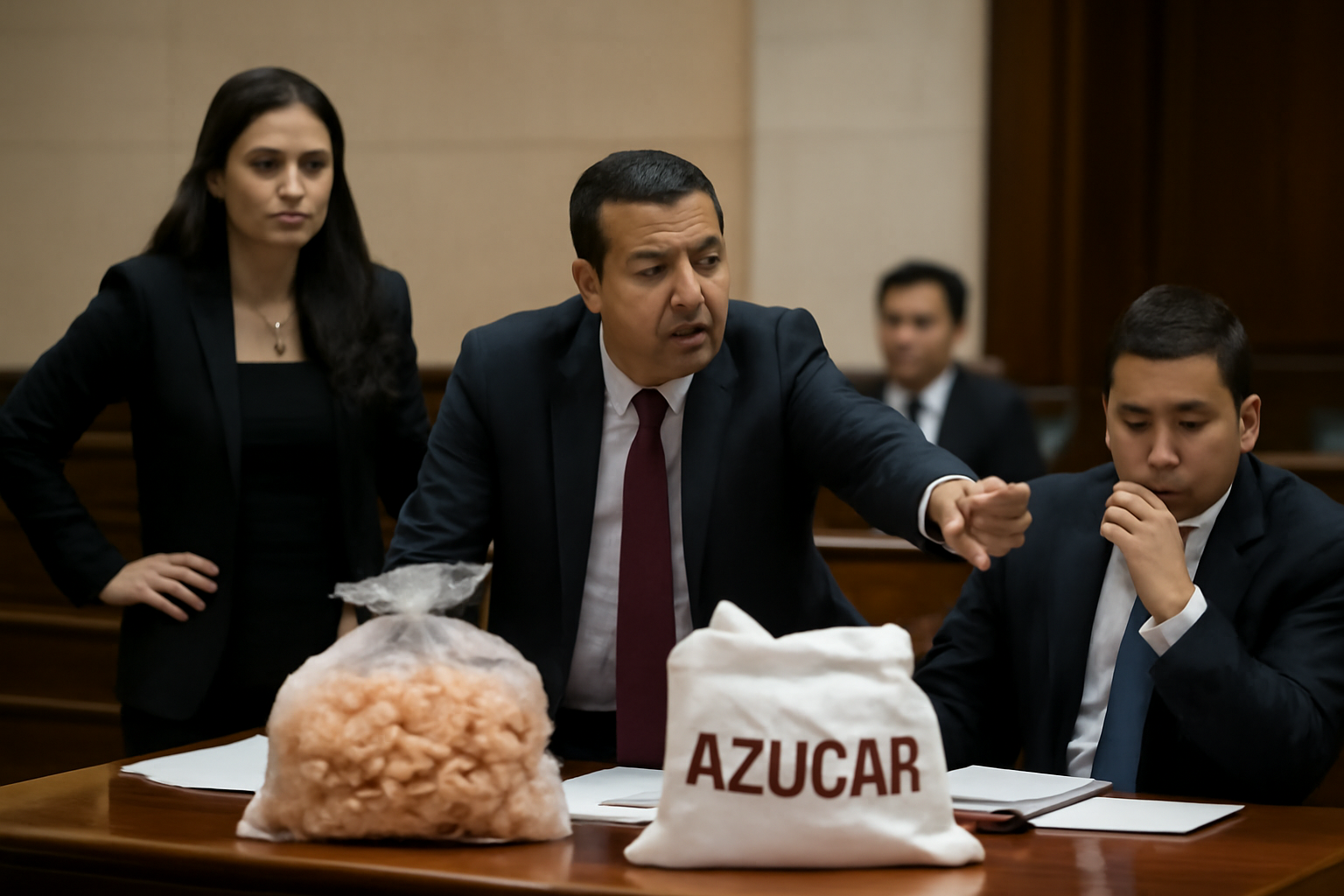
Legislators in Mexico's Chamber of Deputies have alleged that shrimp from Ecuador and sugar are entering the country irregularly across the southern border with Guatemala. The claim was raised by the chamber's Southern Border Committee (Comisión de Frontera Sur), which did not release volumes, values or the period covered by the flows it describes.
The complaint
The committee identifies two distinct commodities moving through the same corridor: shrimp of Ecuadorian origin and sugar, both said to cross from Guatemala into Mexican territory outside formal customs channels. The deputies present the matter as a border control failure rather than a trade dispute, and are pressing for tighter enforcement at crossings in Chiapas.
No companies were named and no entry points were specified in the announcement. There was no reported response from Ecuadorian or Guatemalan authorities alongside the allegation. For now the case rests on the legislators' account, which leaves the scale of the alleged flows unverified and makes independent assessment of market impact impossible.
Where the enforcement gaps sit
Both products are sensitive in the Mexican market, and both are exposed to the same structural weaknesses when goods move overland through a third country rather than arriving at a seaport with full documentation.
- Origin traceability: shrimp routed through an intermediate country can lose its documentary chain, so product of Ecuadorian origin may reach the market without the certificates customs would demand at a port of entry.
- Sanitary control: seafood and sugar that bypass official crossings also bypass inspection, cold-chain verification and residue testing.
- Fiscal leakage: goods that never clear customs generate no duty and no value-added tax, and leave no import declaration behind.
- Statistical blind spots: irregular volumes do not appear in official trade data, so regulators, mills and importers all work from an understated supply picture.
- Price distortion: wholesale quotations in the southeast can reflect volumes that no import record explains, weakening the reference data used for commercial planning.
What is at stake for lawful trade
Compliant importers carry costs that the alleged flows avoid: duties, customs brokerage, sanitary certification and cold storage for shrimp. If irregular product reaches the same wholesale buyers, the formal channel competes against a cost base it cannot legally match. That gap is what industry associations typically cite when they push for enforcement rather than for new tariffs.
Domestic producers face the same pressure in their own market. Mexican shrimp farmers and fishers, and cane growers and mills on the sugar side, sell into a market where unrecorded supply is invisible until it shows up as softer prices. Sugar is particularly sensitive because national supply balances are calculated from recorded production and recorded trade; volumes that never enter the statistics distort the arithmetic used to plan the cycle.
Blackouts in Chiapas and the Tapachula session
The same committee warned about power outages in Chiapas, raising the issue alongside the smuggling complaint. The two matters are connected in practice for the seafood trade: cold storage and processing of shrimp depend on continuous electricity supply, and interruptions raise handling costs and spoilage risk for any operator working in the state.
The committee will hold a session in Tapachula on 30 September. The city sits in Chiapas close to the Guatemalan border, in the area where the alleged crossings occur. The session is the first opportunity for customs and sanitary authorities to respond publicly and, if they choose, to put figures on seizures, entry points and the period involved. Until then, importers and domestic producers have an allegation but no measurable exposure.