Mexico’s Corn Imports Exceed Domestic Output as Self-Sufficiency Goal Slips
Mexico is forecast to produce 24.60 million tonnes of corn while importing 27.20 million tonnes, according to figures cited by Fortuna y Poder. Low yields and declining output are widening the gap between domestic supply and demand.
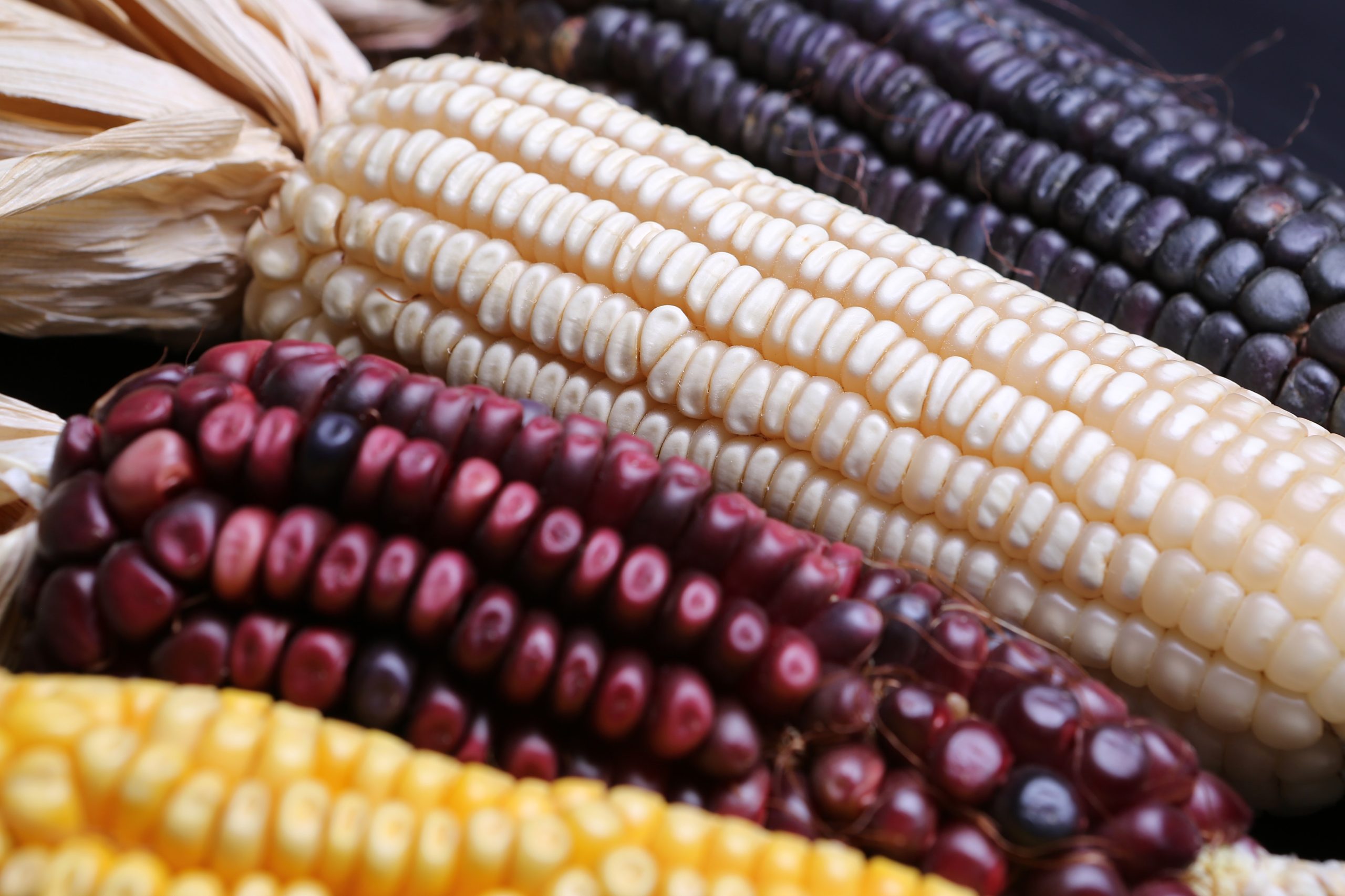
Imports overtake domestic corn production
Mexico’s reliance on imported corn is deepening as domestic production fails to keep pace with the country’s demand. Fortuna y Poder, citing a report by the Agricultural Markets Consulting Group, or GCMA, said the growing use of foreign grain threatens the government’s objective of achieving food self-sufficiency.
Mexican corn production is forecast at 24.60 million tonnes based on statistics reviewed in September. That would represent a 0.4% decline from the previous cycle. By comparison, Ukraine is expected to harvest 31.80 million tonnes during the same season despite the armed conflict affecting the country.
The difference between the Mexican and Ukrainian forecasts is 7.20 million tonnes, or 29.3% of Mexico’s projected crop. GCMA said Mexico’s fields are recording declining output while competing producers are expanding at an annual rate of 2.91%.
Yield gap weakens local competitiveness
US Department of Agriculture records cited in the report indicate that Mexico will import about 27.20 million tonnes of white and yellow corn. The projected import volume is larger than the country’s entire domestic harvest, maintaining Mexico’s position as the world’s largest corn buyer.
The imbalance reflects a wide productivity gap. Average corn yields in Mexico are estimated at only 3.84 tonnes per hectare, compared with 11.21 tonnes per hectare in the United States. US farmers therefore produce almost three times as much grain from each hectare, placing Mexican growers at a significant cost and profitability disadvantage.
Imported grain helps cover domestic requirements and can restrain food costs, but it also leaves buyers more exposed to conditions outside Mexico. The availability and price of supplies depend increasingly on harvest results and commercial conditions in foreign markets. For domestic farmers, low international grain prices add pressure when their yields and production costs prevent them from competing on equal terms.
GCMA calls for policy based on results
GCMA argues that current agricultural strategies have not generated enough additional production to narrow the supply gap. It recommends assessing government programs according to their effects on yield, cost and profitability rather than measuring them only by the amount of subsidies distributed.
The group also proposes giving producers greater certainty before planting. Its recommendations include access to financing, agricultural insurance and contract-farming arrangements, which could help farmers manage price, production and marketing risks before committing capital to a crop.
Investment in irrigation infrastructure, technology and logistics is another priority identified by GCMA. Better water access and production methods could raise output per hectare, while improved logistics could reduce the cost of moving crops from farms to processors and consumers.
The figures show that Mexico’s self-sufficiency challenge is not simply a matter of replacing imports. Closing a 27.20-million-tonne import requirement without raising food prices would require sustained improvements in farm productivity and commercial viability. Until domestic yields move closer to those of major suppliers, processors, livestock producers and other grain users will continue to depend heavily on imported white and yellow corn.