Mexico's corn imports reach 17.1 million tonnes in first eight months of 2026
Mexico imported 17.107 million tonnes of corn between January and August 2026, up 8.1% year-on-year, with yellow corn accounting for 16.406 million tonnes. White corn imports fell 24.3% to 573,400 tonnes. Farm groups in Sinaloa are asking the federal government for import quotas before autumn-winter planting decisions are made.
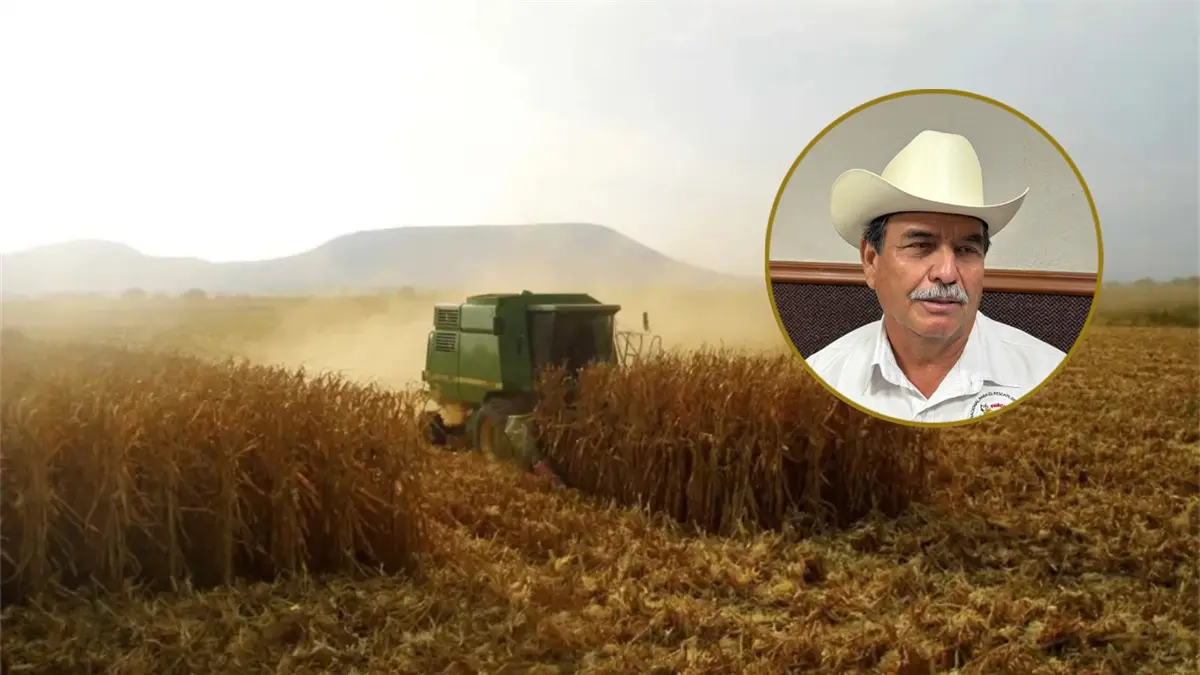
Mexico imported 17.107 million tonnes of corn between January and August 2026, 8.1% more than in the same period of 2025, according to the latest report from Grupo Consultor de Mercados Agrícolas (GCMA), compiled from customs data and cited by Luz Noticias. The increase lands as producers in Sinaloa prepare to decide how much area they will sow in the next agricultural cycle.
Yellow corn drives the volume
Purchases of yellow corn reached 16.406 million tonnes over the eight-month period, 9.8% above the 2025 level. This is the variety used mainly by the livestock, starch and processed food industries, and it accounts for the overwhelming majority of the grain entering the country.
White corn moved in the opposite direction. Imports of that variety fell 24.3% to 573,400 tonnes. White corn predominates in Sinaloa and is destined mainly for human consumption and for the masa and tortilla industry, which makes its import volume the most politically sensitive line in the trade data.
Farm organisations push for import controls
Although most of the grain arriving is yellow, the overall rise in imports concerns agrarian organisations because it coincides with low prices, high costs and difficulty placing harvests on the domestic market, Luz Noticias reported. Baltazar Valdez Armentía, president of Campesinos Unidos de Sinaloa, said the opening of imports has damaged the profitability of domestic grains over the past three agricultural cycles.
The proposal the organisation has put to the federal government is to establish controls or quotas so that industry buys Mexican production first and imports only the volume needed to cover remaining demand. “We need support through instruments such as the Financiera Nacional de Desarrollo for the countryside, such as import controls or quotas, or any other instrument that lets us sell domestic production first, and whatever the market requires beyond national production can then be imported,” Valdez Armentía said.
He argued that Mexican producers cannot compete on equal terms with harvests from other countries, where financing schemes, subsidies and production costs differ. He also said support delivered after the harvest does not fix the underlying problem because it tends to be insufficient, arrives late and leaves producers out. Campesinos Unidos intends to put import controls and protection of the domestic harvest on an agenda it plans to present directly to President Claudia Sheinbaum.
USDA projections place imports above domestic output
The Secretariat of Agriculture and Rural Development (SADER) said projections by the United States Department of Agriculture put Mexican corn imports at 27 million tonnes in the 2025-2026 marketing year and at 27.7 million tonnes in 2026-2027.
For the same periods, domestic production is estimated at 25 million and 24.6 million tonnes respectively. SADER specified that these figures correspond to marketing years and should not be compared directly with crop-cycle or calendar-year data. On those numbers, imports exceed domestic output in both years, with the gap widening from 2 million to 3.1 million tonnes.
Sinaloa waits on prices before sowing
Valdez Armentía warned that the situation will influence planting decisions for the coming autumn-winter cycle, particularly in Sinaloa, where many farmers are still waiting to learn the price and marketing mechanisms that will apply to corn, wheat and other grains.
Luz Noticias also reported that SADER has proposed an advance purchase scheme, Compras Anticipadas, to guarantee the sale of the entire Sinaloa corn crop, and that reservoirs in the state have reached 49.1% of storage capacity — a variable that will shape the irrigated area available in the autumn-winter cycle.