Mexico Accelerates Fertilizer Projects as Urea Prices and Trade Disruptions Raise Supply Risks
Mexico is accelerating domestic fertilizer-production projects as elevated urea prices and disruptions to international trade routes increase supply concerns. Topolobampo, Sinaloa, is emerging as a strategic location in efforts to strengthen national availability and reduce dependence on imports.
Supply risks push domestic production up the agenda
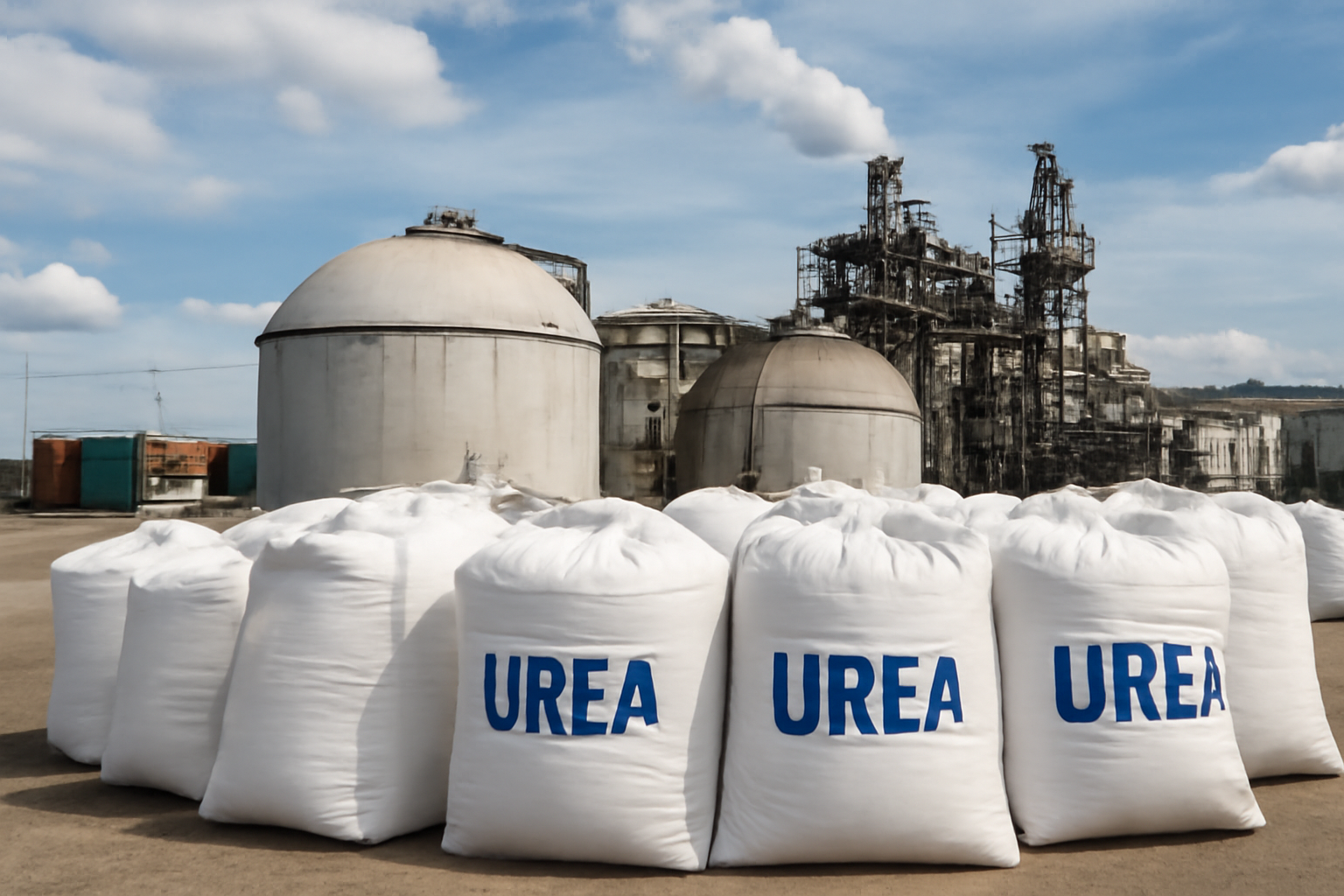
Mexico is accelerating plans to expand domestic fertilizer production as pressure from high urea prices and disruption to international trade routes exposes the country’s dependence on imported supply. The emerging strategy places greater emphasis on national manufacturing capacity and identifies Topolobampo, in the state of Sinaloa, as one of the strategic locations capable of supporting a more secure fertilizer system.
The shift reflects a combination of price and logistics risks. Urea is a central nitrogen fertilizer for agricultural producers, and higher prices can quickly raise crop-production costs. Disruptions affecting global trade routes add another layer of uncertainty by complicating delivery schedules and increasing the risk that imported material will not arrive when farmers need it. For buyers, the issue is therefore not only the purchase price but also the reliability and timing of supply.
Domestic projects could reduce part of that exposure by placing production closer to Mexican consumers. Greater local availability would not eliminate the influence of international fertilizer markets, because global prices and input costs would continue to affect commercial decisions. It could, however, give producers, distributors and farmers an additional source of supply when overseas trade routes are under pressure.
Topolobampo positioned as a supply hub
Topolobampo’s role in the production push is tied to its potential as a strategic supply point. A fertilizer operation there could serve agricultural demand in Sinaloa and support distribution to other consuming regions. For the market, the value of the location will depend on whether planned capacity is completed, whether output is commercially competitive and whether the surrounding logistics network can move fertilizer efficiently during key application periods.
The location also matters because fertilizer economics extend beyond factory output. Storage, inland transport and timely delivery shape the final cost paid by farmers. A production hub that is connected effectively to agricultural areas can reduce some logistical exposure, while delays or infrastructure constraints can weaken the benefits of domestic manufacturing.
For distributors and traders, additional Mexican production would change procurement choices rather than necessarily replace imports altogether. Buyers could combine domestic contracts with overseas purchases, using imported material when international terms are attractive and local output when supply security carries greater weight. That mix would determine how quickly new capacity translates into lower import dependence.
Execution will determine the market impact
The acceleration of projects signals a policy and commercial response to an immediate vulnerability, but the effect on the fertilizer balance will depend on execution. Construction progress, operating reliability, feedstock availability and distribution arrangements will determine whether announced facilities become dependable sources of urea and other fertilizers.
A successful expansion could give Mexican agriculture more protection against interruptions beyond the country’s control. Farmers would still face movements in international energy and fertilizer markets, but a larger domestic base could reduce the risk that a disruption to a trade route becomes a physical shortage at the farm level.
Importers would remain important wherever domestic plants cannot meet demand, supply particular fertilizer grades or compete with foreign offers. Their role could become more flexible, covering seasonal requirements and gaps rather than providing the bulk of routine availability. Domestic producers, meanwhile, would have to demonstrate that supply security can be delivered at a price acceptable to the agricultural sector.
Topolobampo is therefore important not simply as a proposed production site but as a test of Mexico’s ability to convert supply concerns into operating industrial capacity. If the projects advance as planned, the country could build a more diversified fertilizer system. If they face delays, exposure to urea prices and disruptions on international routes will remain a central risk for farmers, traders and agricultural processors.