Mexican tortilla producers threaten to abandon federal price pact
Mexican tortilla industry groups are preparing to withdraw from a federal agreement intended to stabilize consumer prices. Producers say promised financing, preferential corn supplies and enforcement against unfair competition have not materialized, while rising costs have prompted increases of 1–2 pesos per kilogram.
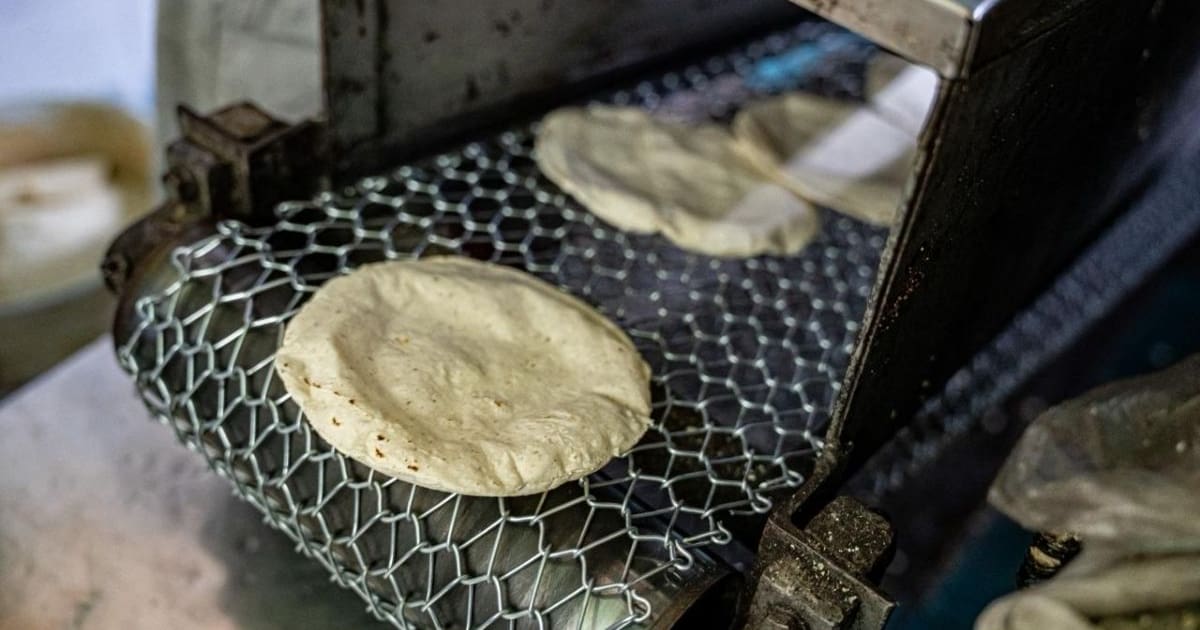
Industry groups prepare formal break with government pact
Mexico’s main tortilla producer organizations have threatened to withdraw permanently from the National Corn-Tortilla Agreement, arguing that government support promised when the pact was signed about a year ago has been slow or absent. El Imparcial, citing information from El Universal, reported that industry representatives are preparing a joint letter to President Claudia Sheinbaum to formally notify her of the problems and explain recent price increases.
The agreement brought together the Mexican government, the Governing Council of Traditional Mexican Tortilla, the National Union of Dough and Tortilla Industrialists, and the Dough and Tortilla Production Industry. Its initial goal was to reorganize the market, freeze retail prices and reduce the price of tortillas by 5%. As production costs remained high, that objective was subsequently narrowed to price stabilization.
Financing and enforcement promises remain disputed
Under the pact, the federal government committed to facilitate access to lower-cost financing through Fideicomisos Instituidos en Relación con la Agricultura, known as FIRA. It also promised to supply corn at preferential prices through public programs and to eliminate unfair competitive practices in municipalities across Mexico. Producers now say implementation has failed to match those commitments.
Sergio Jarquín Muñoz, president of the Governing Council of Traditional Mexican Tortilla, said the public officials responsible for the measures had ignored the sector’s needs. Producers particularly point to the lack of official inspections against unfair competition. They argue that businesses complying with formal requirements are being placed at a disadvantage while the cost of operating tortilla shops continues to rise.
Input costs push prices higher
The dispute is already affecting retail pricing. According to El Imparcial, establishments have begun raising tortilla prices by 1–2 pesos per kilogram to cover higher costs for flour, paper and fuel. Increases of as much as 2 pesos per kilogram are being applied unevenly, including in parts of the Valley of Mexico. Producers describe formally ending the agreement as a last resort intended to force a response from federal departments.
The pressure does not appear to stem from a physical shortage. Traders cited in the report said supplies of production inputs remain stable and corn deliveries are continuing without disruption. That distinction matters for the market: the immediate problem is the cost and commercial environment faced by processors and retailers, rather than a breakdown in corn availability. If the industry groups leave the pact, the government would lose a central mechanism for coordinating prices with tortilla businesses, while individual establishments would have greater scope to pass operating costs to consumers. For Mexico’s corn and food sectors, the next decisive issue is whether authorities activate the promised financing, preferential supply and inspection measures before producers formalize their withdrawal.