Mercosur exporters move quickly to fill new EU beef quotas
Mercosur suppliers had already used more than 60% of the EU’s new reduced-tariff beef quotas by 25 October 2026. Argentina led chilled-beef allocations, while Brazil dominated frozen volumes before losing EU market access over traceability concerns.
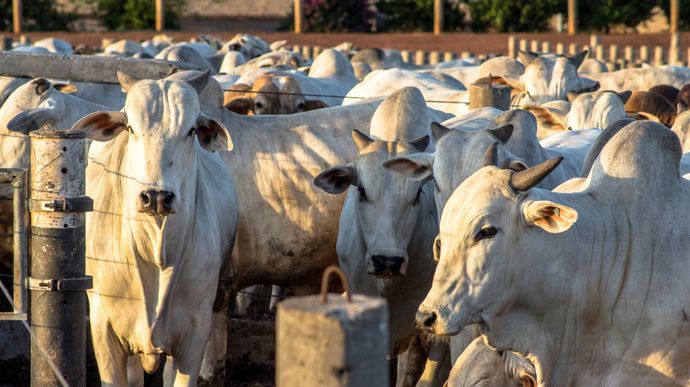
New quotas draw an immediate response
Beef exporters in the Mercosur bloc have moved quickly to use the reduced-tariff quotas created by their trade agreement with the European Union, intensifying competition in a market that already sources most of its imported beef from South America. The agreement, signed on 17 January after more than 25 years of negotiations and applied from 1 May, initially provides Mercosur with a quota of 11,000 tonnes carcass-weight equivalent at a tariff of 7.5%.
The opening allocation consists of 6,050 tonnes carcass-weight equivalent of chilled beef and 4,950 tonnes of frozen beef. A separate concession removes the previous 20% duty on the Hilton quota, Ilona Blanquet, an agricultural economist at the French Livestock Institute, or Idele, said during the Grand angle viande event on 12 November 2026. The new volumes will increase progressively to 99,000 tonnes carcass-weight equivalent in 2031.
According to Idele figures reported by La France Agricole, 66% of the chilled-beef quota had been used by 25 October 2026, with Argentina accounting for 37%. Utilisation of the frozen-beef quota had reached 61%, including 32% taken by Brazil. Paraguay and Uruguay, the bloc’s other two members, are also participating in the new access arrangements.
South American supply was already expanding
The rapid uptake reflects conditions on both sides of the Atlantic. Production is rising in Mercosur, while regional consumption of the more expensive cuts from the hindquarters of cattle has declined. The EU is an established buyer of these products, giving South American processors and exporters an outlet for cuts that can be harder to place profitably in their domestic markets.
The agreement builds on an existing and growing trade flow. The EU imported 436,000 tonnes carcass-weight equivalent of beef from non-EU countries in 2025, an increase of 18% from 2024, according to La France Agricole. Mercosur supplied 268,000 tonnes, representing 62% of those imports, compared with a 56% share in 2024. The figures show that the bloc was gaining market share even before the new reduced-tariff allocations became available.
For European importers, the quotas improve access to chilled and frozen South American beef at lower duties. For EU cattle producers and processors, the phased expansion creates additional competition, particularly in higher-value hindquarter cuts. The immediate use of the quotas also indicates that Mercosur suppliers have both the production and commercial networks needed to fill the allocations well before they reach their 2031 ceiling.
Brazilian suspension changes the contest
Brazil’s role is complicated by its exclusion, from 3 September 2026, from the list of countries authorised to export animal products for human consumption to the EU. The EU identified shortcomings in the traceability of veterinary treatments, primarily antibiotics. European rules require records covering the animal’s entire life, while Brazil can currently document only the final three months, Blanquet said. She estimated that the exclusion could last two years.
Brazil anticipated the closure and accelerated shipments from July, which initially lifted EU imports of Brazilian beef. The effect of the suspension became visible only from week 39, at the end of September. That timing helps explain Brazil’s substantial early share of the frozen quota despite its subsequent loss of access.
The restriction could redirect demand within Mercosur, giving Argentina, Uruguay and Paraguay more room to compete for EU quota volumes while Brazilian exporters seek other destinations. La France Agricole reported that possible Brazilian responses include finding new markets, applying pressure through certain products or using the agreement’s rebalancing mechanism, but no clear strategy had emerged. The combination of expanding quotas and Brazil’s uncertain eligibility will determine which Mercosur suppliers capture the greatest share of Europe’s additional beef demand.