Mercosur exhausts EU chilled-beef tariff quota months before year-end
Mercosur exporters have used the entire 6,050-tonne EU tariff quota for high-quality chilled beef, prompting Uruguay’s INAC to stop issuing certificates under the allocation. Attention is now shifting to the proposed EU–Mercosur agreement, which would create a much larger annual beef quota.
Annual chilled-beef allocation fully used
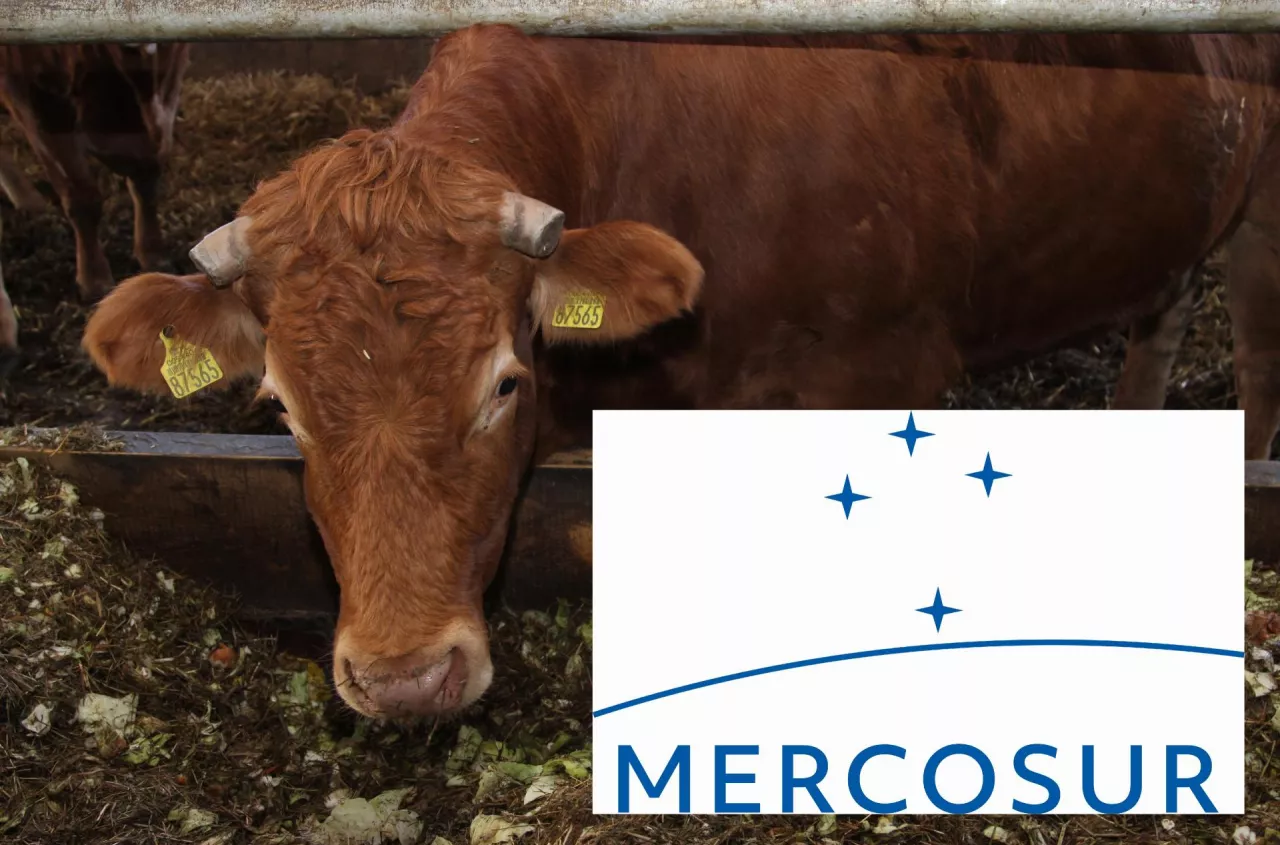
Exporters from Argentina, Brazil, Paraguay and Uruguay have exhausted the European Union’s annual tariff-rate quota for 6,050 tonnes of high-quality chilled beef, measured in carcass-weight equivalent, with several months still remaining in the year. Top Agrar Polska reports that Uruguay’s National Meat Institute, INAC, has consequently stopped issuing new export certificates under the allocation.
The early exhaustion of the quota confirms the commercial appeal of the EU for South American beef suppliers. Mercosur exporters principally use the allocation for high-value cuts sold to food-service customers and the premium segment. European buyers pay substantially more for these products than importers in many other markets, allowing suppliers to earn higher margins.
Filling the quota does not necessarily end Mercosur beef sales to the EU. It limits the volume eligible for the relevant preferential tariff treatment. A separate preferential allocation covering 4,950 tonnes of frozen beef remains available to exporters, according to Top Agrar Polska.
Proposed agreement would expand preferential volumes
The existing 6,050-tonne chilled-beef quota has operated for years and is not part of the newly negotiated EU–Mercosur trade agreement. The proposed agreement would establish a separate annual preferential quota of 99,000 tonnes of beef, in carcass-weight equivalent, for Mercosur countries collectively. Its implementation still depends on the completion of EU procedures.
Under the negotiated terms, about 55% of that volume, or 54,450 tonnes, would consist of fresh and chilled beef. The remaining 45%, or 44,550 tonnes, would be frozen meat. The quota would be introduced progressively over several years and would be subject to a preferential tariff rate.
The current 6,050-tonne chilled allocation is equivalent to only about 6% of the total beef volume envisaged in the negotiated agreement. The European Commission has said that the full 99,000-tonne quota would represent approximately 1.5% of EU beef production and argues that its overall market impact should therefore be limited.
EU producers focus on premium-cut competition
Producer organisations take a different view of the potential pressure. They point to differences between the EU and Mercosur in production costs, environmental obligations and animal-welfare standards. Their central concern is that additional imports could weigh on prices for the most valuable beef cuts, which contribute disproportionately to the economics of cattle production.
Poland is particularly exposed to changes in the EU market. The country produces close to 600,000 tonnes of beef annually and exports as much as 80% of its output, primarily to other EU member states. Prices and competition within the single market therefore feed directly into returns for Polish cattle farmers.
Brazil remains Mercosur’s largest beef exporter. Debate around its access has included animal traceability, veterinary drug residues, the operation of plants authorised to supply the EU and compliance with sanitary and veterinary requirements. The European Commission says every shipment entering the bloc must meet the same food-safety requirements as EU products and remains subject to veterinary supervision, inspections and audits.
The proposed agreement also contains a bilateral safeguard mechanism that could temporarily suspend tariff preferences in the event of serious market disruption or a threat to EU producers. For now, the rapid use of the existing allocation shows that demand for preferential access is greater than the available chilled-beef quota. The scale and timing of future competitive pressure will depend less on this year’s exhausted limit than on whether, and in what form, the wider EU–Mercosur agreement takes effect.