Mercado Livre enters Brazil’s prescription-drug market with one-hour delivery
Mercado Livre has begun selling prescription medicines in São Paulo, with deliveries promised within 60 minutes through its new Envios Agora service. The move puts the platform in direct competition with Brazil’s leading pharmacy chains and initially involves three pharmacy partners, with a target of 20 agreements this year.
Prescription sales begin in São Paulo
Mercado Livre has entered Brazil’s prescription-medicine market, expanding its health offering beyond products such as painkillers and vitamins that do not require pharmacies to retain a prescription. Sales began in São Paulo on September 25 and include medicines based on GLP-1, as well as categories such as antibiotics and controlled drugs.
The service forms part of Envios Agora, a new delivery program launched on September 24 for products weighing up to 15 kilograms across any merchandise category. Pharmacy orders covered by the initiative can reach customers within 60 minutes. Mercado Livre plans to sign agreements with 20 drugstores in the city of São Paulo this year. Three contracts have already been negotiated, although the company has not identified the pharmacy operators involved.
Before the expansion, Mercado Livre’s non-prescription offering was limited to inventory operated from one pharmacy in southern São Paulo. The new model gives the marketplace access to regulated and frequently purchased products while relying on partner pharmacies to supply eligible medicines.
Delivery costs become a competitive lever
Mercado Livre is still assessing how free delivery will apply to the new service. For now, existing terms remain in place: eligible orders above R$ 19 can be delivered without charge for members of the Meli+ program. That policy could become an important point of differentiation in a market where established pharmacy chains charge for some express deliveries.
According to simulations conducted by Valor, RD Saúde charged R$ 7.99 on purchases below R$ 200, while Drogaria São Paulo charged R$ 7.99 for delivery in the city regardless of basket value. Mercado Livre’s entry therefore adds pressure not only on medicine prices, but also on delivery fees, speed and membership benefits.
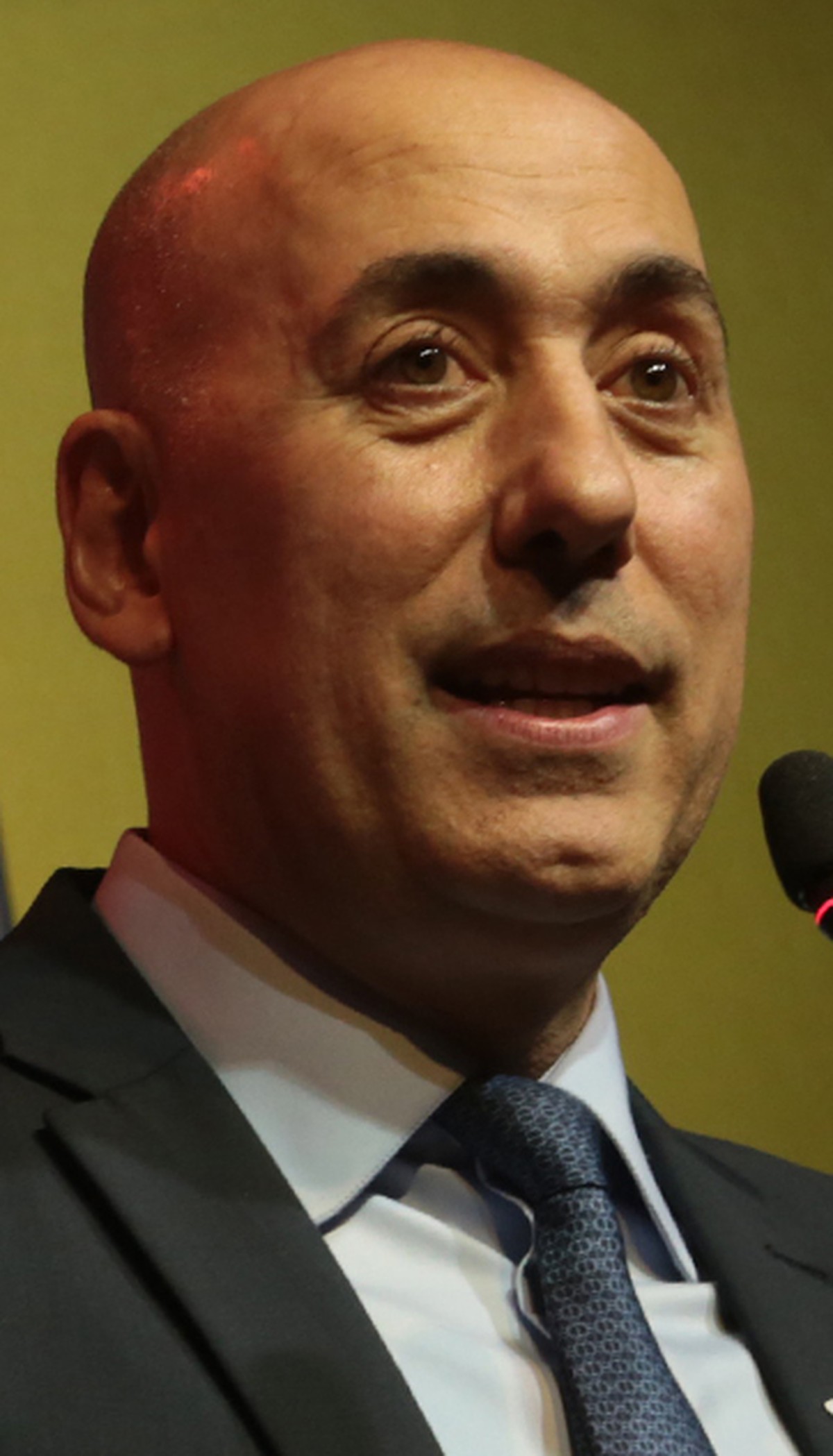
Fernando Yunes, Mercado Livre’s executive vice president for Latin America, told Valor that the platform had registered substantial demand for medicines and that visits involving the category converted into sales at a much higher rate than those for other products. Medicines also offer one of retail’s highest purchasing frequencies, giving the company an opportunity to deepen recurring customer activity.
The marketplace nevertheless enters the segment without the consumer databases accumulated by the largest pharmacy chains or their networks of physical stores. Those outlets provide counter service and local inventory, advantages that can matter for regulated products and urgent purchases.
Pharmacy shares fall after announcement
Investors reacted quickly to the launch. On Brazil’s B3 exchange, shares in RD Saúde closed down 5.38%, Panvel declined 4.90% and Pague Menos recorded the largest fall, at 8%, according to Valor. Mercado Livre will compete directly with those operators and with Drogaria São Paulo, among the country’s established pharmacy businesses.
The expansion is supported by a broader logistics buildout. Mercado Livre expects to end the year with 30 conventional fulfillment distribution centers, up from 21 in the previous year. Including cross-docking sites and receiving and sorting facilities, its network is projected to reach 72 structures by the end of 2026, an increase of 39% from the prior year.
That footprint gives the company experience in rapid fulfillment, but prescription medicines add regulatory, inventory and service requirements that differ from ordinary marketplace goods. The first phase in São Paulo will test whether delivery reach, partner pharmacies and Meli+ benefits can offset the incumbent chains’ store coverage and customer knowledge. The result will be closely watched by pharmacy retailers, digital-health businesses and investors assessing how quickly marketplace competition can spread through Brazil’s regulated medicine market.