Memory chip surge erodes Chinese smartphone brands’ price advantage in India
Rising memory costs are pushing Chinese smartphone brands in India beyond their traditional sub-$150 base. Shipments are falling while Apple and Samsung gain share as financing narrows the affordability gap.
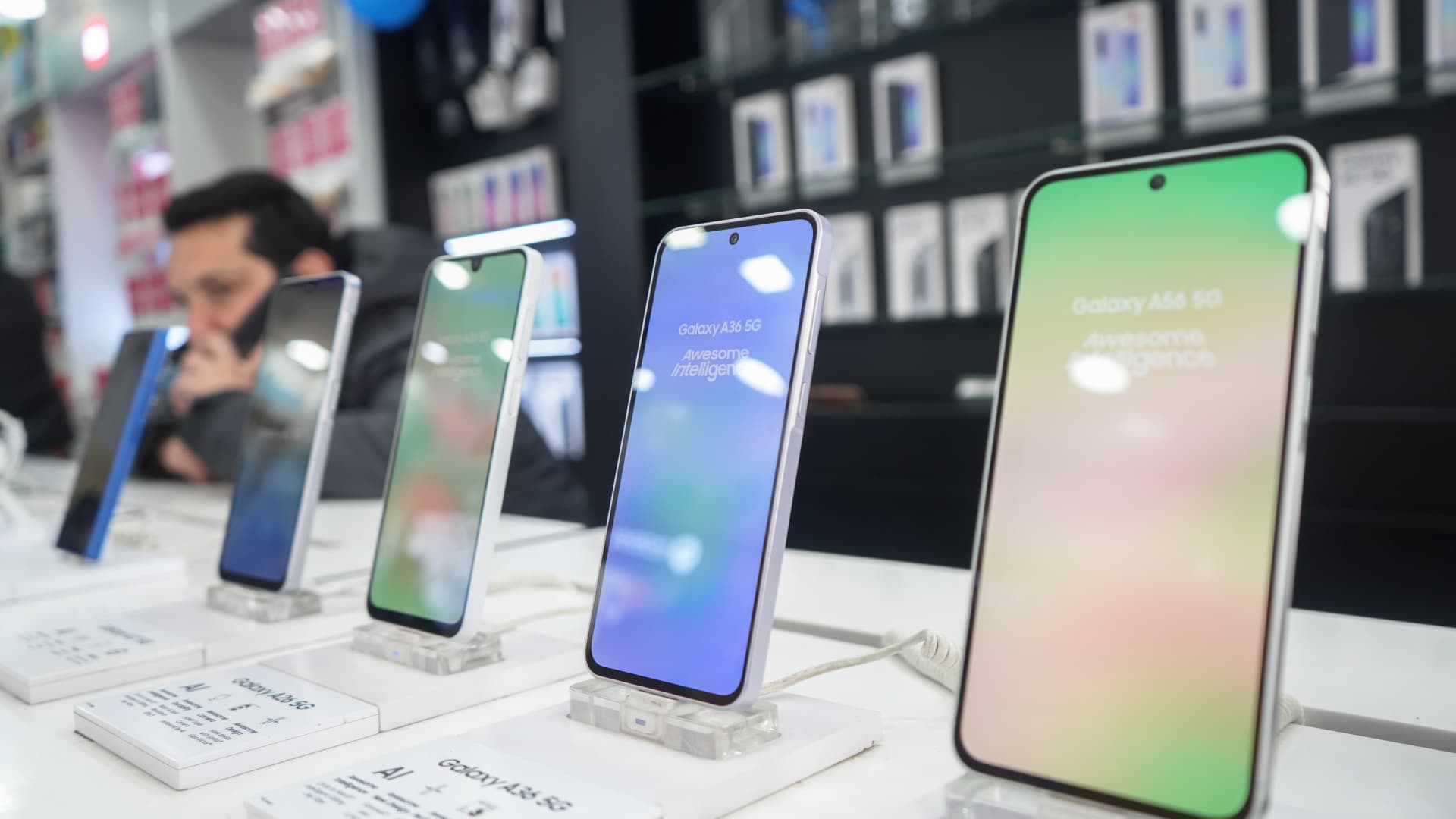
Entry-level smartphones lose their price anchor
Rising memory chip prices are changing the competitive balance in India, the world’s second-largest smartphone market by volume. Chinese manufacturers hold four of the country’s five leading brand positions, supported by feature-rich devices aimed at price-conscious buyers. That model is now under pressure as component costs make it harder to preserve prices below $150.
Neil Shah, co-founder of Counterpoint Research, told CNBC that new Chinese models offering specifications comparable with earlier sub-$150 devices could cost between $200 and $250 once existing inventory is exhausted. Counterpoint data show that brands in the sub-$150 category have already increased handset prices by as much as 40%. The firm says memory chip prices have risen fourfold since September 2025 and could climb further in the coming months.
Shipments fall as average prices reach a record
IDC reported that Indian smartphone shipments declined 7.9% year on year to 64.2 million units in the first half of 2026, with the entry-level segment recording a particularly steep contraction. Market value nevertheless rose 3.6%, while the average selling price reached a record $315. IDC said Chinese manufacturers struggled to persuade price-sensitive consumers to accept higher prices.
The pressure was visible across the major Chinese vendors during the June quarter. Vivo’s shipments fell 13.9% from a year earlier, Oppo’s declined 8.5%, Xiaomi’s dropped 10% and Realme’s contracted 14.2%, according to IDC. OnePlus, which operates at the higher end of the market, posted the smallest decline among the major Chinese brands at 2.5%. By comparison, Samsung shipments increased 0.4% and Apple shipments rose 0.7%. IDC senior research manager Upasana Joshi said the global memory shortage had hit entry-level demand hardest, the category on which Chinese brands depend most.
Apple and Samsung gain room to compete
Samsung’s market share increased by nearly 200 basis points in the June quarter and Apple’s rose by 100 basis points, according to IDC. Vivo’s share declined by 60 basis points in IDC’s figures and by 140 basis points in Counterpoint’s estimates, narrowing its lead over Samsung. Apple’s iPhone 17 was India’s most-shipped individual device in both the first and second quarters of 2026.
Samsung is particularly well placed because its Indian portfolio runs from $200 to more than $800, including direct competition with Vivo in the $200-$300 segment. The South Korean group also has access to internally produced memory. Vivo and other Chinese manufacturers rely on suppliers including MediaTek, SK Hynix and Samsung, Shah said. Some shifted to UNISOC and CXMT chips after memory prices began rising last year, but he described that solution as unsustainable. CXMT has raised funds to expand capacity for China’s artificial intelligence and data-center market, directing resources toward higher-end products. As entry-level handsets approach mid-market prices, improved financing is making premium devices more attainable. The result is a weaker price advantage for Chinese brands and a broader addressable market for Apple and Samsung, even as total shipment volume contracts.