Mauritius Seeks New Investment to Revive Tea Production
Mauritius is seeking investors to modernize its tea industry after annual production fell from 9,000 tonnes in the 1990s to 1,500 tonnes today. The government is promoting modern plantations, sustainable farming and tea tourism as competition from Kenya and India intensifies.
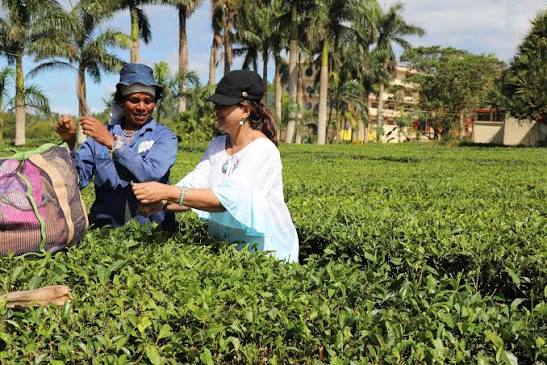
Production falls far below its 1990s level
Mauritius is trying to attract new capital into its tea industry after a long decline in production left the sector facing stronger international competition and mounting economic pressure. According to lejournal.africa, the government has announced initiatives intended to bring investors into tea cultivation, modernize existing infrastructure and improve product quality.
Annual tea output has fallen from 9,000 tonnes in the 1990s to about 1,500 tonnes today, lejournal.africa reported. The publication attributes the contraction partly to aging plantations and a lack of technological innovation. The decline has reduced the role of a crop that once made a significant contribution to the island's exports.
Tea cultivation in Mauritius began in the early 19th century under British influence. The industry later experienced periods of strong performance, but producers now operate against large suppliers such as Kenya and India. Their scale and established positions in international markets make price and quality critical considerations for any Mauritian revival strategy.
Government courts international investors
The government is organizing economic forums that bring local producers together with international investors. The objective is to establish partnerships capable of renewing cultivation and financing modern plantations. Sources cited by lejournal.africa said several Asian companies had already expressed interest, although the publication did not identify the businesses or disclose potential investment values.
The investment case still carries significant agricultural risk. Potential investors have raised concerns about crop sustainability and changing climatic conditions that could affect yields. These issues add uncertainty to projects that must already contend with older plantations, infrastructure requirements and competition from major producing countries.
The Ministry of Agriculture has introduced a technical support program to help growers adopt sustainable farming practices. Such assistance could improve the ability of local producers to manage environmental pressure and meet the quality requirements of investors and buyers. The source did not provide targets, a timetable or a budget for the program.
Tea tourism offers an additional revenue route
Mauritius also wants to connect tea production more closely with its tourism industry. Initiatives under development would create visitor routes around tea plantations, allowing tourists to observe production and taste local products. The government sees this as a way to showcase the country's agricultural heritage while generating activity for both farms and tourism operators.
This approach could give Mauritian producers an alternative to competing only on volume in the global market. Plantation visits and local tastings may support differentiated products and direct sales, while the tourism connection could give investors more than one source of revenue. However, lejournal.africa noted that some experts remain skeptical about whether Mauritius can recover its former position in world tea markets.
The outcome will depend on whether interested investors move from initial discussions to funded projects and whether modernization can lift yields and quality. Mauritius is not seeking merely to preserve a historic crop: it is testing whether a smaller tea industry can combine efficient production, sustainable cultivation and tourism demand while remaining competitive on price.