Mato Grosso lawmakers advance restriction on reconstituted imported milk powder
Mato Grosso’s Legislative Assembly has approved at first vote a bill restricting the use of imported milk powder to produce fluid milk sold in the state. The proposal could reduce one outlet for foreign powder while raising compliance and sourcing considerations for local dairy processors.
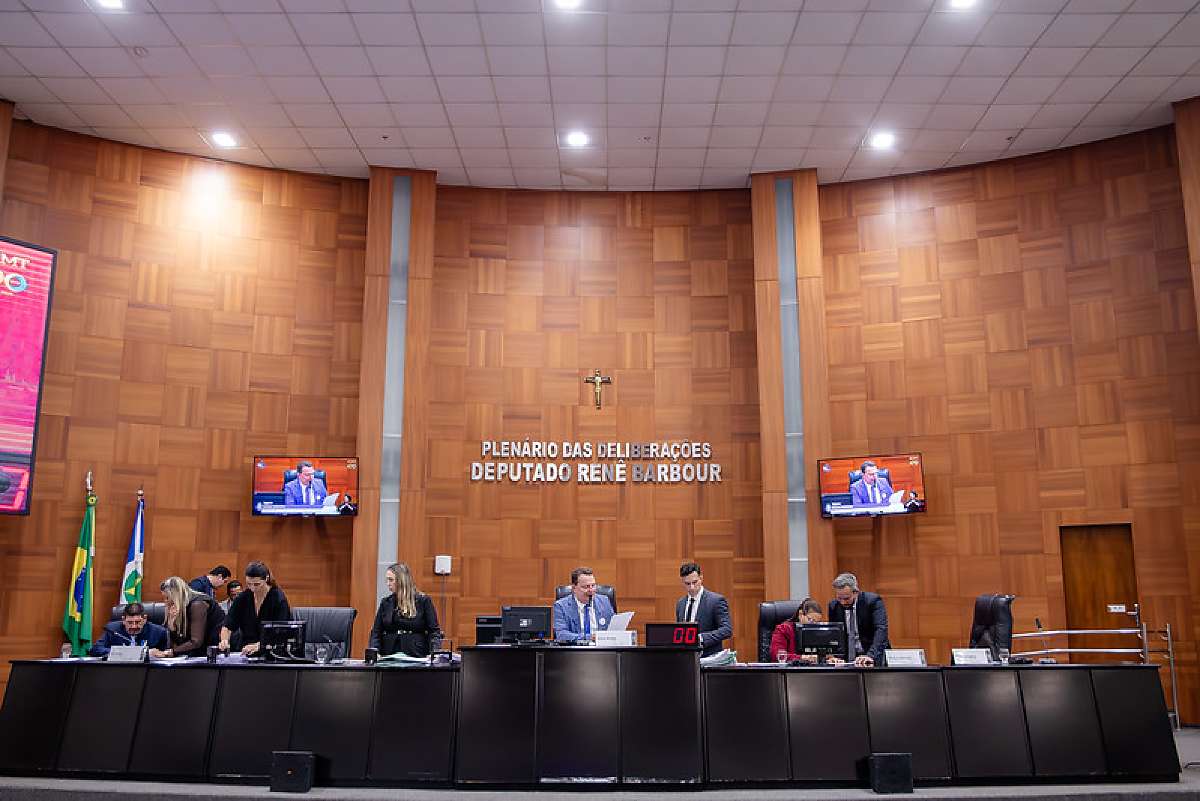
State lawmakers approve proposal at first vote
The Legislative Assembly of Mato Grosso approved at first vote on August 26 a proposal that would prevent industries, dairies and other legal entities established in the Brazilian state from reconstituting imported milk powder for sale as fluid milk. The measure is contained in a full substitute text for Bill No. 847/2024, introduced by state deputies Gilberto Cattani and Wilson Santos, according to Única News.
The restriction would apply specifically to products of foreign origin used in the manufacture of fluid milk marketed in Mato Grosso. It would therefore regulate how dairy processors use imported powder inside the state, rather than establishing a general prohibition on imports or preventing the powder from being sold for other permitted purposes.
The proposal has not yet become law. It must complete the remaining stages of the state legislative process and receive final approval and sanction. If enacted, the rules would take effect on the date of publication.
Penalties could affect processors and dairies
Companies found in breach could have the relevant batch of reconstituted milk seized and face a fine of 500 Mato Grosso Standard Fiscal Units, known as UPF/MT. Their sanitary registration could also be suspended temporarily or permanently, subject to the rights of defense and adversarial proceedings.
Competent animal-health authorities would be responsible for enforcement. For dairy businesses, the combination of batch seizure, financial penalties and potential loss of sanitary registration would make the origin of milk powder and its final use important compliance issues. Processors using powder to manufacture fluid milk for the Mato Grosso market would need to distinguish imported inputs from domestically produced material if the proposal enters into force.
The substitute text includes an exception tied to federal policy. The state law’s effects would be suspended if Brazil’s Ministry of Agriculture and Livestock, known as MAPA, exceptionally authorized legal entities to reconstitute milk powder. That suspension would remain in place for the duration of the national authorization.
Supporters seek protection for the local dairy chain
The bill’s authors argue that the measure would protect Mato Grosso’s milk production chain from competition they consider unfair. Their justification says imported milk powder may carry production costs below those prevailing in Brazil, particularly when it comes from countries that subsidize agricultural activity. Restricting its conversion into fluid milk could consequently increase processors’ reliance on locally or nationally sourced milk and milk powder.
The proposal also cites possible effects on rural employment, tax revenue and the sustainability of the state’s dairy chain. Its sponsors emphasize the importance of milk production to thousands of families engaged in dairy farming in Mato Grosso. They additionally present the measure as a food-safety and inspection initiative, pointing to possible changes in the physicochemical and microbiological characteristics of reconstituted products when processing is not conducted under adequate controls.
If enacted, the restriction could narrow demand in Mato Grosso for foreign milk powder intended for reconstitution as drinking milk. The actual market effect would depend on the volume currently used for that purpose, which the proposal and report do not specify, as well as on the availability and price of Brazilian alternatives. Importers and dairy processors will also need to follow the remaining legislative stages and any exceptional authorization issued by MAPA before changing supply arrangements.