Malaysian farmers urge regulator to reject GMO rice field trial
A coalition of 61 Malaysian organizations has asked the National Biosafety Board to reject Zen Cropscience’s proposed trial of genetically modified MR219 rice in Perak. The dispute centers on contamination, glyphosate use and food safety, while Malaysia produces only about half the rice it consumes.
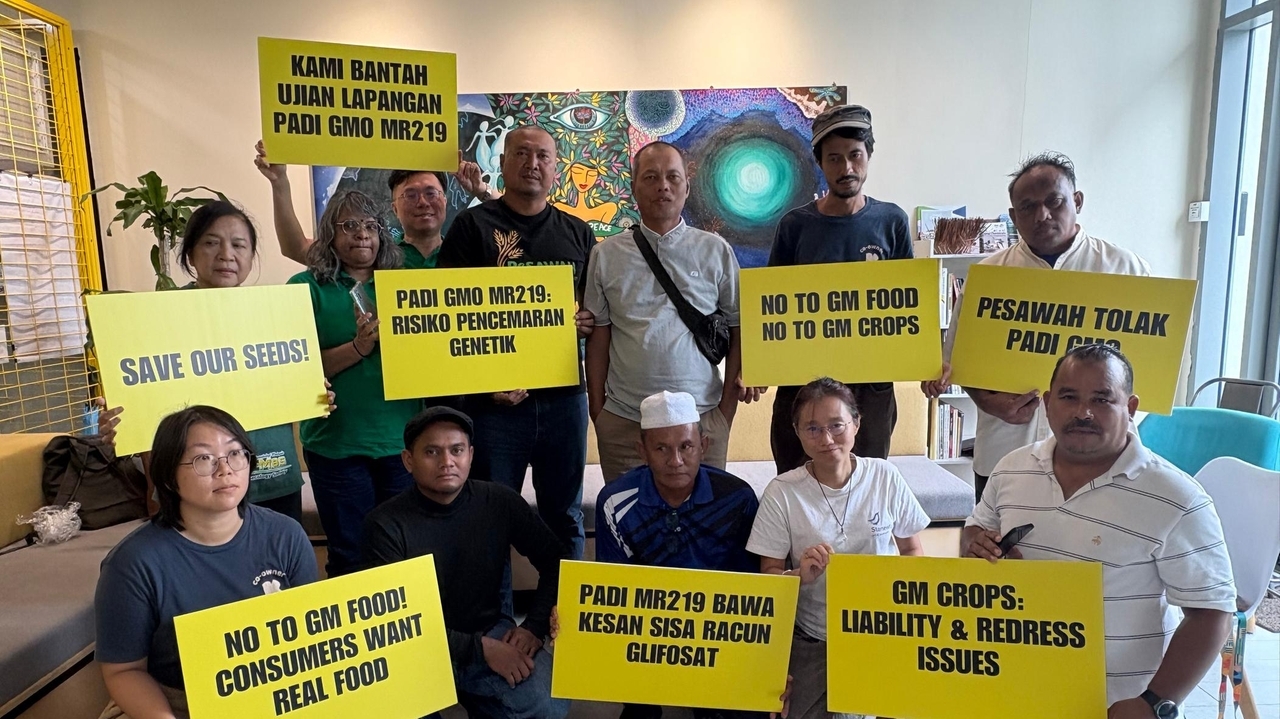
Coalition files formal objection
A coalition of Malaysian farmers, consumer associations and environmental groups is pressing the National Biosafety Board to reject a proposed field trial of genetically modified rice. The 61 organizations submitted a formal objection during a public consultation that ended last week, according to an Associated Press report published by Newsday.
The application, filed by Zen Cropscience, covers a confined trial in northern Perak state. It involves a genetically modified form of the MR219 rice variety designed to tolerate the herbicide glyphosate and resist diseases caused by bacteria and fungi. The coalition said the proposal resembles a trial submitted in Perlis state in 2019 that was later abandoned.
Contamination and herbicide concerns
The opponents’ main concern is that modified genetic material could reach conventional or wild rice through cross-pollination or other routes. They argue that Malaysia’s biosafety law does not provide sufficient legal protection or compensation for farmers who might suffer economic losses if their crops are accidentally contaminated.
The groups also contend that glyphosate tolerance could encourage heavier herbicide use and accelerate the emergence of resistant weeds. Abdul Rashid Yob, who leads a farmers association representing 200,000 members nationwide, cited farmers’ experience with herbicide-tolerant Clearfield rice. He said production improved initially, but weeds soon developed resistance, requiring higher herbicide doses, increasing production costs and reducing soil fertility.
The coalition warned that glyphosate residues could enter harvested rice. It also said the inserted fungal-resistance gene might alter nutritional values or increase allergen and toxin levels. Assessments of glyphosate differ: the World Health Organization’s cancer research agency classified it in 2015 as probably carcinogenic to humans, while the U.S. Environmental Protection Agency has said it is not likely to be carcinogenic to humans. The European Food Safety Authority reported in 2023 that its review identified no critical areas of concern for human, animal or environmental health.
Regulator points to containment
The National Biosafety Board has said the trial would take place inside an insect-proof contained net house on industrial land far from farming areas, making the risk of cross-pollination low. However, the board acknowledged that toxicological data for the GMO rice have not been established. No date for a final decision has been disclosed.
The application concerns research rather than commercial cultivation, but the coalition maintains that genetically modified organisms cannot be fully controlled after environmental release. It argues that farmers can manage weeds and disease through other methods, including robotic weed-removal technology from Japan.
The decision has broader implications for Malaysia’s rice sector because official data show that domestic production supplies only about half of national consumption. Regulators must therefore weigh possible productivity and disease-control benefits against contamination liabilities, input costs and consumer acceptance in a market that remains heavily dependent on imported rice.