Malaysia Passes Tougher Rice Law to Curb Smuggling and Market Manipulation
Malaysia's Dewan Rakyat passed the Control of Padi and Rice (Amendment) Bill 2026, raising the maximum individual fine to RM230,000 and adding penalties targeting smuggling, illegal possession and price manipulation. The reform updates penalties unchanged since 1994 as the country's rice self-sufficiency ratio stood at 52.9 per cent in 2024.
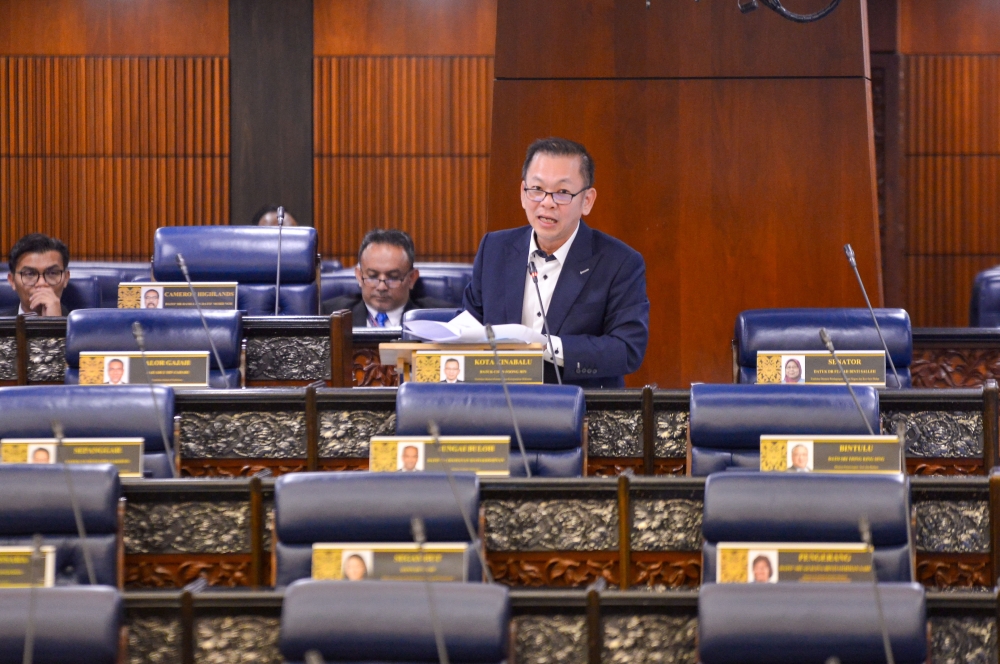
Malaysia's lower house of parliament, the Dewan Rakyat, passed the Control of Padi and Rice (Amendment) Bill 2026 on July 13, tightening enforcement against rice smuggling and market manipulation, according to Malay Mail. The bill cleared the chamber by majority vote after debate involving 23 government and opposition members of parliament.
Deputy Agriculture and Food Security Minister Datuk Chan Foong Hin said the amendments to the Control of Padi and Rice Act 1994 (Act 522) were designed to strengthen the government's ability to regulate the paddy and rice industry in enforcement, market control and industry development. He described the changes as a protective shield for farmers rather than an additional burden, aimed at preventing parties from manipulating prices or supply in ways that could hurt farmers' income.
Higher penalties after decades unchanged
Chan said penalty rates had not been revised since Act 522 was introduced in 1994 and no longer reflected the severity of current offences. Under the amendments, the general penalty for individuals rises to a fine of up to RM230,000.
The bill also introduces specific penalties calibrated to lesser, technical offences. A fine of up to RM15,000, imprisonment of up to six months, or both, would apply to offences such as failing to display licences, failing to renew licences on time, unclear price labels and failure to maintain daily records. The higher general penalties are reserved for more serious offences involving paddy and rice seizures, including operating without a licence, illegal possession, unauthorised sales, possession without permits and smuggling.
To justify the tougher regime, Chan cited two recent cases where courts imposed fines far below the value of seized goods. In a July 2025 seizure in Gerik, Perak, 45 tonnes of rice worth about RM117,000 drew a fine of only RM5,000. In a January 2025 case in Kubang Pasu, Kedah, 49 tonnes of rice worth about RM137,000 resulted in a RM5,500 fine.
Supply security and self-sufficiency
Chan said Malaysia's rice self-sufficiency ratio stood at 52.9 per cent in 2024, below the government's targets of 75 per cent by 2025 and 80 per cent by 2030 under the National Agrofood Policy 2021-2030. He said the government would continue input and output subsidies while focusing on raising productivity in existing granary areas, expanding large-scale farm management and introducing technology-based solutions.
The minister said the ministry was prepared to engage the Sabah and Sarawak Padi and Rice Boards to strengthen food security, and would maintain flexibility in supply management, allowing different approaches for Sabah, Sarawak and Labuan based on local market conditions.
Bernas concession under review
On Bernas, Chan recognised the company's role as the sole rice importer under a concession agreement that expires in 2031. Bernas is responsible for carrying out 10 social obligations set by the government, valued at about RM3.2 billion over the concession period. Chan said the government intended to review the agreement before expiry to protect national food security, consumer interests and farmers' welfare.
He added that the ministry held several engagement sessions to shape the amendments, including a June 18, 2026 session involving 137 industry players from wholesalers' and retailers' associations, consumer groups and industry representatives across Malaysia, including Sabah and Sarawak. Chan described the bill as a reform effort to curb market manipulation, protect the country's staple food ecosystem, enhance transparency in transactions and secure long-term food supply.