Malaysia seeks wider China access for premium durian, seafood and halal poultry
Malaysia is seeking broader import channels in China for premium agri-food products, led by durian, tropical fruit, seafood and halal poultry. The initiative centres on Beijing’s Xinfadi wholesale market as Malaysian durian exports to China reached US$77 million in the first quarter of 2026.
Malaysia targets broader import channels
Malaysia is seeking to expand access to the Chinese market for its premium agricultural and food products, with a focus on opening more import channels and building stronger recognition for Malaysian brands. The initiative covers durian, other tropical fruit, seafood and halal poultry, according to a report by Bernama carried by Radio Televisyen Malaysia.
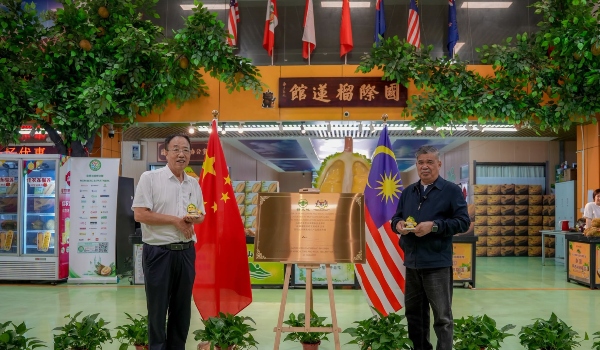
A Malaysian delegation led by Agriculture and Food Security Minister Datuk Seri Mohamad Sabu discussed the plan during a visit to Beijing’s Xinfadi Agricultural Products Wholesale Market on Friday. The minister inspected the market’s durian, seafood and halal poultry sections and held talks with the chairman of Xinfadi on accelerating the development of Malaysian brands under the “Taste of Malaysia” programme. The discussions also addressed wider agricultural trade cooperation between Malaysia and China.
Xinfadi offers a route into Beijing’s food market
Xinfadi covers 112 hectares and is described as Asia’s largest comprehensive agricultural wholesale hub. It supplies more than 80% of Beijing’s fresh produce, giving suppliers represented at the market access to a major part of the capital’s food distribution system. For Malaysian producers and exporters, a stronger presence there could improve product visibility and provide links to wholesale buyers, retailers and food-service customers.
The market already houses an International Durian Pavilion offering Malaysian varieties including Musang King and Black Thorn. It also has dedicated halal and seafood zones. A cross-border livestreaming centre and logistics facilities are under construction to support wider distribution, potentially extending the commercial reach of Malaysian products beyond customers visiting the physical market.
Durian exports provide commercial momentum
The initiative comes as Chinese demand for Malaysian durian is increasing. Malaysia’s durian exports to China reached US$77 million in the first quarter of 2026, according to China’s General Administration of Customs. China’s fresh durian imports from Malaysia rose 294% during the period. The value of Malaysia’s shipments to China in those three months was also more than double the value of its fresh durian exports to the market during the whole of the previous year.
Those figures make durian the clearest immediate opportunity, particularly for premium varieties already promoted at Xinfadi. Wider sales will nevertheless depend on import access, cold-chain capacity and distribution infrastructure capable of handling a highly perishable product. The facilities being developed at Xinfadi could therefore be important to exporters seeking to move from promotional sales to broader commercial volumes.
Fruit, seafood and halal poultry next in line
Malaysia also wants greater Chinese market access for pineapple, jackfruit and mangosteen, as well as seafood and halal poultry. The Agricultural Counsellor’s Office in Beijing said Malaysia sees significant potential to expand halal poultry exports, citing the country’s position in halal certification and poultry production.
The campaign links commercial promotion with the “Visit Malaysia 2026” initiative, but its main industry test will be whether increased visibility produces durable purchasing relationships. For growers, processors and exporters, China offers a large premium-food market. For Chinese importers and distributors, Malaysia is presenting a broader portfolio built around recognised durian varieties, tropical produce and halal-certified animal protein.