Malaysia and Russia discuss expanding palm oil trade and commercial links
Malaysia is seeking to expand palm oil sales to Russia as the two countries pursue stronger bilateral trade and energy cooperation. Prime Minister Anwar Ibrahim and President Vladimir Putin also discussed direct flights, visa-free travel and a dedicated mechanism to accelerate existing agreements.
Palm oil placed on the bilateral trade agenda
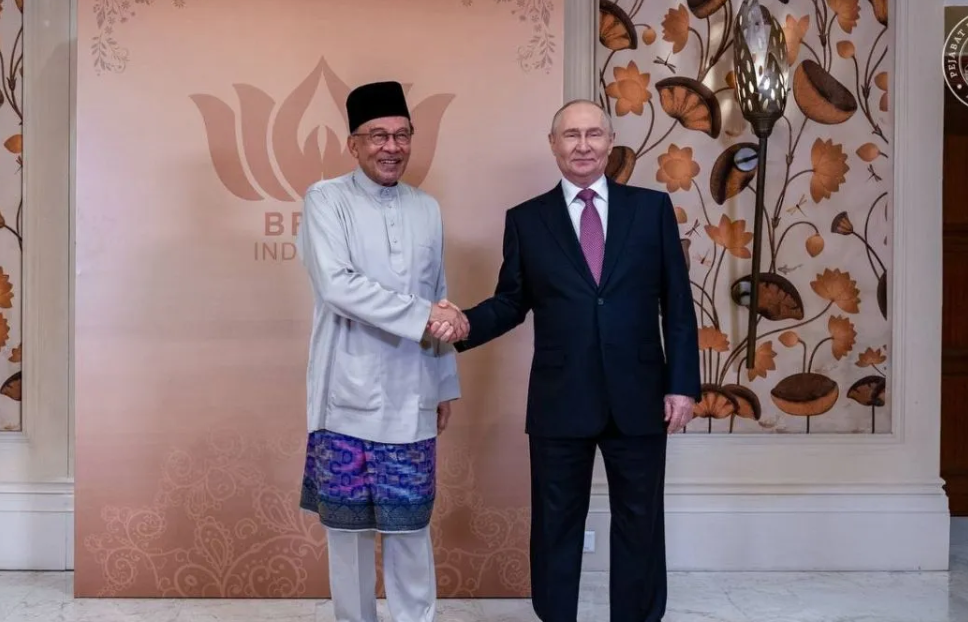
Malaysia is seeking to expand its palm oil market in Russia as part of a broader effort to strengthen economic ties between the two countries. Prime Minister Anwar Ibrahim raised the commodity during a bilateral meeting with Russian President Vladimir Putin on the sidelines of the 18th BRICS Summit in New Delhi, India, according to Media Indonesia.
The discussion covered bilateral trade, tourism, investment and cooperation in strategic sectors. Palm oil was identified as a Malaysian export with scope for greater sales in Russia, while energy emerged as another area in which the two governments want closer engagement. No proposed palm oil volume, sales value or implementation timetable was disclosed.
For producers, processors and traders, the talks signal political support for developing an additional destination for Malaysian palm oil. The commercial impact will depend on whether the two sides translate that support into purchasing arrangements, competitive logistics and workable payment and regulatory conditions. The information released after the meeting did not identify prospective buyers, suppliers or shipping routes.
Direct flights and visa-free travel under discussion
Anwar also called for faster implementation of previously agreed plans for direct flights between Malaysia and Russia and visa-free travel. He said these measures were intended to support tourism, trade and investment. Direct air links would primarily improve passenger connectivity, but closer business travel could also make commercial negotiations and investment activity easier.
The proposals form part of a wider attempt to increase bilateral trade rather than a stand-alone commodity initiative. Malaysia wants stronger palm oil sales in Russia while developing cooperation in energy, a sector in which Anwar acknowledged Russian support for Malaysia's energy security. He also pointed to the possibility of combining the two countries' expertise in strategic industries, although no individual project or investment amount was announced.
The absence of detailed commercial terms means the meeting should be read as a policy signal rather than a completed trade agreement. Palm oil exporters will still need clarity on demand, pricing, transport costs and market-access requirements before the initiative can produce measurable cargo flows.
Coordination mechanism proposed
To move the discussions toward implementation, Anwar proposed a dedicated coordination mechanism that would monitor and accelerate agreements reached by the two governments. Putin reportedly accepted the proposal. Media Indonesia said the mechanism reflected a commitment to double the value of bilateral trade, but the report did not provide a baseline value or a target date.
The leaders also used the meeting to reinforce diplomatic ties. Anwar renewed an invitation from Malaysia's king, Yang di-Pertuan Agong Sultan Ibrahim, for Putin to make a state visit to Malaysia. The immediate business focus, however, remains the execution of existing connectivity plans and the conversion of high-level support for palm oil and energy cooperation into specific commercial commitments.