Malaysia’s 80% Rice Self-Sufficiency Goal Faces Fertilizer, Yield and Infrastructure Constraints
Malaysia’s rice self-sufficiency rate fell from 62.1% in 2020 to 52.9% in 2024, while the government wants it raised to 80%. Farmers’ representatives say delayed fertilizer, yields of only four to five tonnes per hectare and unresolved water, seed and pricing problems put that target at risk.
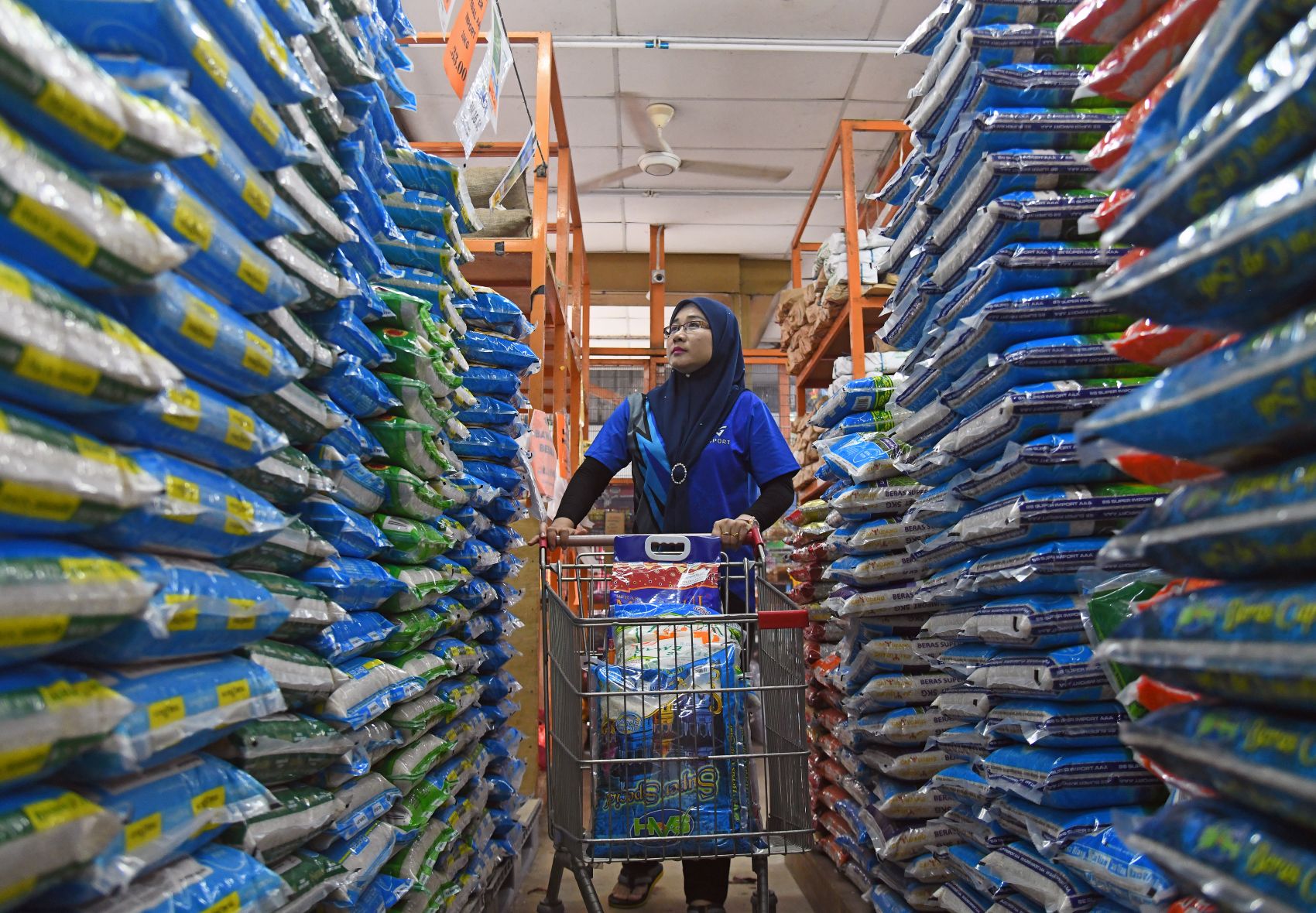
Self-sufficiency has fallen below 60%
Malaysia’s ambition to raise its rice self-sufficiency rate to 80% is facing doubts from farmer organizations, which say shortages of essential inputs and persistent production constraints must be addressed before output can increase. Agriculture and Food Security Minister Datuk Seri Mohamad Sabu said the country remains far from a comfortable level of food security, particularly for rice and meat. Malaysia’s current rice self-sufficiency rate is below 60%, according to Utusan Malaysia.
Mohd. Shazwan Suban, chairman of Suara Tani Malaysia, said the rice self-sufficiency rate had declined from 62.1% in 2020 to 52.9% in 2024. That trend widens the gap between current domestic production and the government’s 80% objective. Farmer representatives argue that setting a national target will have limited effect unless farms receive fertilizer and quality seed on time, have sufficient water and obtain a viable purchase price for paddy.
Delayed fertilizer threatens the current crop
The immediate concern is the distribution of supplementary compound fertilizer known as Baja Padi 3. Only about 137,560 bags, or 22% of the required 616,015 bags, had been supplied to farmers, Utusan Malaysia reported. Mohd. Shazwan said some rice plants were already more than 80 days old, making further delays increasingly damaging to crop development while production costs continue to rise.
About 38,000 farmers awaiting fertilizer across roughly 78,117 hectares face estimated losses of RM1.3 million a day. A separate calculation cited by the publication assumes losses of around RM25 per farmer per day and covers 52,000 hectares of rice fields where plants are between 31 and 75 days old. The Muda Agricultural Development Authority, or MADA, said on 18 August that it would ensure delivery of the remaining 478,455 bags required by the 38,000 farmers before the supply period ends on 1 October.
The shortage illustrates how operational failures can undermine national production policy. Fertilizer applied too late may not deliver the intended yield response during the crop’s critical growth stages. For farmers, the problem combines potential output losses with rising costs; for millers and rice buyers, weaker harvests would constrain the volume of locally produced paddy available for processing.
Yields and farm conditions limit expansion
Farmer Zaidi Nasir, 40, said current yields are only about four to five tonnes per hectare. He argued that better infrastructure, timely fertilizer supplies and higher-quality rice seed could allow farmers to increase production. Water availability and economically viable paddy prices were also identified by industry representatives as prerequisites for sustaining cultivation and raising national output.
Abdul Rashid Yob, chairman of the Malaysian Rice Farmers Brotherhood Organization, agreed that an 80% self-sufficiency rate would be unrealistic if recurring farm-level problems, including fertilizer delays, remained unresolved. However, he said the target was technically possible, pointing to Malaysia’s self-sufficiency rate of as much as 90% around 1990 during the era of the National Paddy and Rice Board.
Execution will determine import dependence
The historical comparison suggests that 80% is not beyond Malaysia’s production potential, but present conditions differ sharply from that benchmark. Moving from 52.9% toward 80% would require both higher yields and reliable cultivation across existing rice land. The available evidence does not establish how much additional acreage, investment or production would be needed, but it shows that farmers are struggling to secure inputs for the current crop.
Until fertilizer distribution, irrigation, seed quality, infrastructure and farm-gate pricing are addressed together, domestic supply may remain below policy ambitions. That would preserve Malaysia’s reliance on imported rice to cover the gap between local production and consumption, leaving buyers exposed to external supply conditions. The 1 October fertilizer deadline will therefore provide an early test of whether the government and agricultural agencies can translate the self-sufficiency objective into timely support at farm level.