Malaysia Says Rice Buffer Stocks Can Cover Six Months of Domestic Demand
Malaysian authorities report that the country's staple food supply is stable and sufficient, with buffer rice stocks able to meet domestic needs for six months. The statement, carried by the national news agency Bernama, is a food-security reassurance for a country that leans on imports to top up its rice supply.
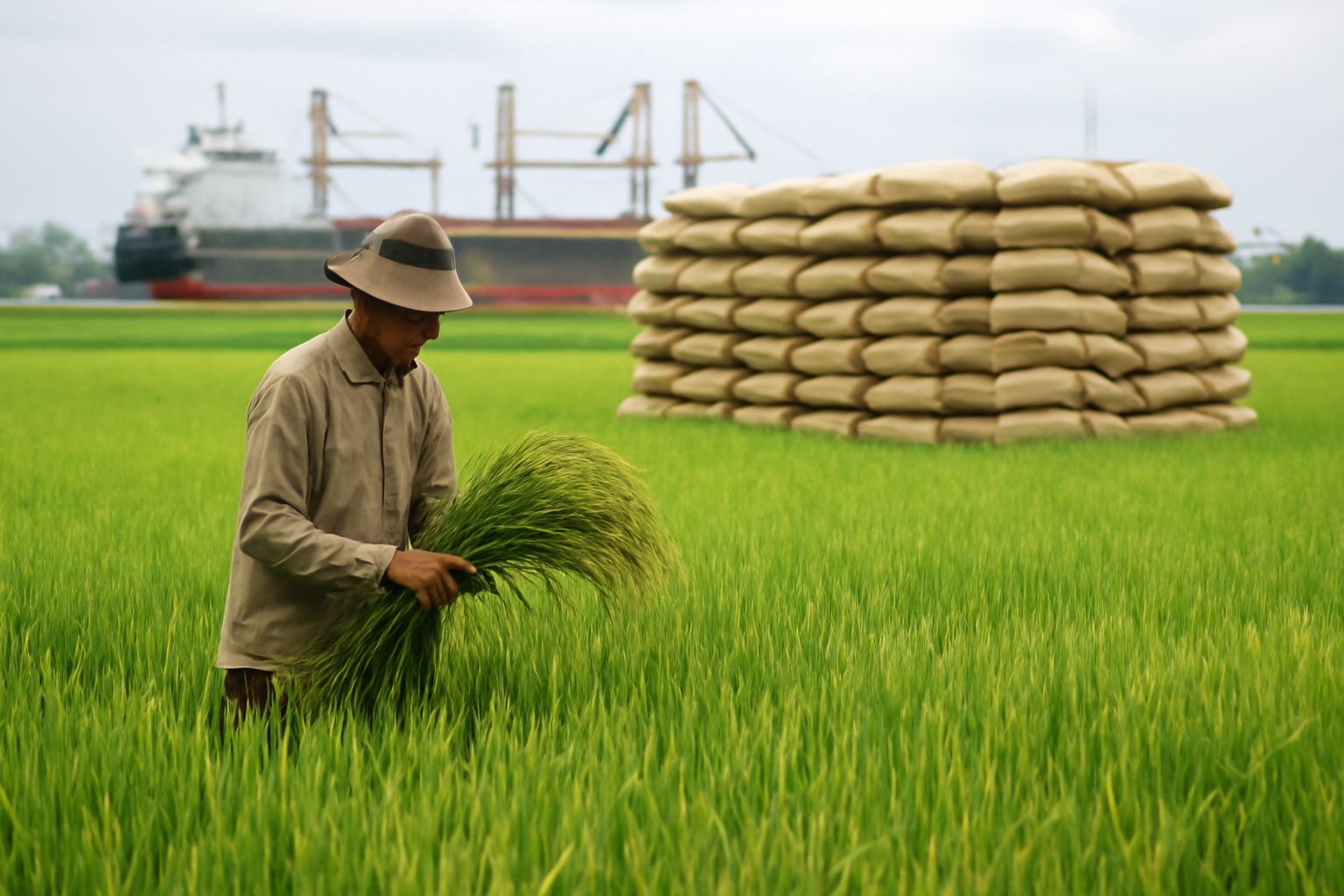
Six-month rice buffer reported
Malaysia's supply of staple foods is currently stable and adequate, with buffer rice stocks sufficient to cover domestic needs for six months, according to a report published on 13 July by the national news agency Bernama from Kuala Lumpur.
The statement frames rice availability as secure for the near term. For a staple that anchors daily consumption across the country, a stock cushion measured in months is the central metric authorities use to signal that shelves will remain supplied even if external conditions tighten.
Why buffer stocks matter for the market
Buffer stocks are the reserves a government holds above routine commercial inventory. They exist to smooth two kinds of shocks: a shortfall in domestic harvests and a disruption in imports. When authorities state that reserves can cover a defined period of demand, they are communicating how long the market could absorb such a shock before fresh supply becomes critical.
A six-month horizon is a substantial cushion by the standard of staple-grain management. It gives the government a window to arrange additional purchases, and it reduces the immediate pressure to rush into the market at unfavourable prices should regional supply conditions change.
- Stable staple food supply, as reported by Bernama.
- Buffer rice stocks assessed as sufficient for six months of domestic demand.
- Statement issued from Kuala Lumpur on 13 July.
Trade context for importers and exporters
Malaysia consumes more rice than it produces domestically and covers the gap through imports, which places it among the buyers that regional exporters watch. A publicly stated six-month buffer influences how urgently the country needs to return to international markets and, by extension, how much near-term demand exporters can expect from this destination.
For traders, the signal cuts two ways. A comfortable reserve position means the government is less likely to make emergency purchases that spike short-term demand. At the same time, maintaining a buffer of that size implies continued, steady procurement over time to keep the reserve replenished as it is drawn down for daily consumption.
The Bernama report does not detail the tonnage held in reserve, the sources of imported supply, or the price levels underpinning current stocks. It confirms the assessment of adequacy and the six-month coverage figure without attaching further quantitative detail. Market participants tracking Southeast Asian rice flows will read the statement primarily as a reassurance on food security rather than as a change in purchasing posture.
What to watch next
The key variables from here are the pace at which reserves are drawn down, the timing of any replenishment purchases, and how domestic harvest performance compares with consumption. Each of these determines whether the six-month coverage holds, extends, or narrows in the months ahead, and whether Malaysia steps up or eases its presence in the import market.