Industry calls for Malaysia to develop a regional marine-fuel hub
Malaysia could capture more value from petroleum cargoes by developing domestic VLSFO blending, storage and bunkering operations. Industry expert R. Jeyenderan says the opportunity depends on clear rules for tracking and processing petroleum declared under Customs Form No. 8.
Proposal targets more value from petroleum cargoes
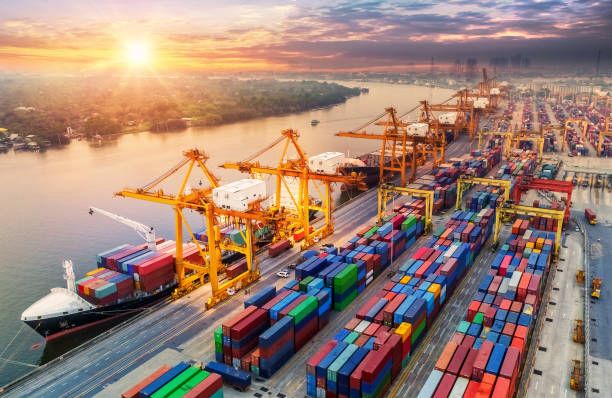
Malaysia has the resources and infrastructure to become a regional marine-fuel hub, according to maritime industry expert Datuk Seri R. Jeyenderan. The proposal would use the country’s petroleum and palm oil resources, storage facilities, ports and position on major international shipping routes to expand fuel blending and vessel-bunkering activity.
Jeyenderan, chief executive of Maritime Network Sdn Bhd, said Malaysia should process more petroleum cargoes domestically instead of limiting activity to receiving, storing and transferring them. Blending fuel, holding it in storage and selling it to vessels could retain more value inside the country and generate business for companies across the maritime supply chain.
The proposal is focused particularly on producing and supplying very low sulphur fuel oil, or VLSFO. Jeyenderan, who has more than 30 years of experience in the maritime and shipping industry, identified blending and bunkering as activities Malaysia could develop alongside its existing cargo-handling capabilities.
Asian demand and regional feedstocks
Utusan Malaysia, Free Malaysia Today and Kosmo reported that disruptions to oil supplies have increased fuel demand in Asia, creating an opportunity for Malaysia to expand petroleum and marine-fuel supplies to regional markets. No forecast for demand, production capacity or investment was provided, leaving the prospective scale of the hub undefined.
Regional raw materials could also support the industry. Jeyenderan pointed to Indonesia’s petroleum and palm oil and the Philippines’ coconut oil as resources that could be explored for marine-fuel production. The proposal therefore extends beyond conventional petroleum bunkering and could involve palm- and coconut-based feedstocks, although no specific fuel formulation or procurement agreement has been announced.
A Malaysian VLSFO blending and bunkering hub could stimulate storage, trading, road or marine transportation, shipping services and direct fuel supply to vessels. Malaysia’s location on a major international shipping corridor is central to the case: vessels already passing through its waters could provide a recurring market for bunkering services without requiring the country to create entirely new shipping flows.
Regulatory clarity remains the condition
Jeyenderan said the commercial opportunity would depend on clear government rules governing the movement and use of petroleum cargoes, particularly shipments declared using Customs Form No. 8, known as K8. Cargoes would need to be recorded and traceable when placed in storage, transferred between facilities or subjected to blending.
The key regulatory question concerns what operators may do with a cargo after it enters a storage tank, especially when different petroleum products are combined. Clear treatment of these processes would give storage operators, traders, bunker suppliers and other investors greater certainty while helping the government protect revenue and prevent leakage.
Utusan Malaysia and Kosmo cited Jeyenderan as saying Malaysia collected RM203.991 billion in direct taxes last year, compared with RM310.38 billion collected by a neighbouring country that was not identified in the reports. The figures were presented as evidence that Malaysia could generate more public revenue from its existing resources and infrastructure, rather than as an estimate of the marine-fuel sector’s potential contribution. The proposal remains an industry recommendation: the reports did not identify a government timetable, committed investment, planned capacity or designated port for the hub.
Full market analysis