Malaysia’s palm oil stocks rise 7.48% as August exports fall
Malaysia’s palm oil inventories reached 2.82 million tonnes in August 2026 as production increased and exports declined. The accumulation was concentrated in crude palm oil, while stronger kernel-product and biodiesel shipments provided limited support.
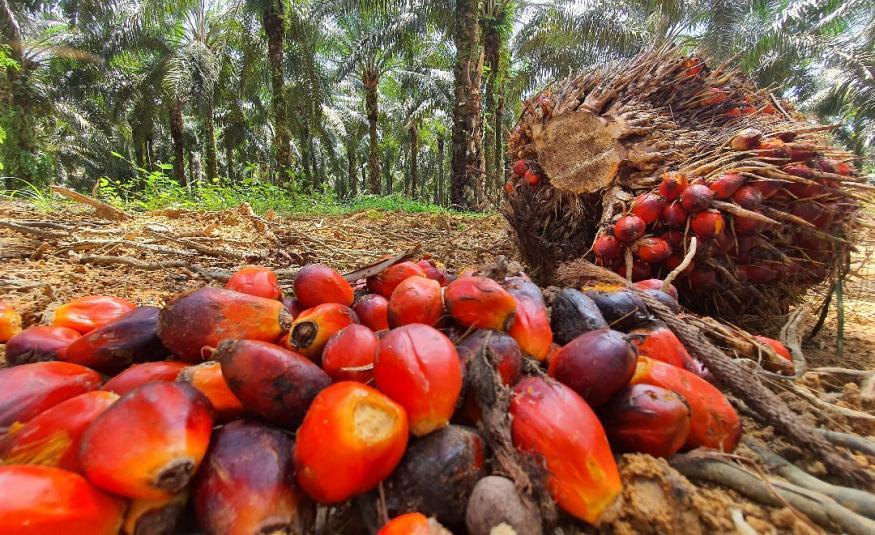
Inventories climb to 2.82 million tonnes
Malaysia’s palm oil inventories rose 7.48% in August 2026 to 2.82 million tonnes, as higher production coincided with weaker exports. Citing the Malaysian Palm Oil Board, DagangNews reported that total stocks increased by 196,590 tonnes from 2.62 million tonnes in July. The combination leaves the Malaysian market with more supply to absorb and adds pressure to the global balance for one of the world’s principal vegetable oils.
The increase was concentrated in crude palm oil. Crude palm oil inventories jumped by about 15.20% month on month to 1.64 million tonnes. Stocks of processed palm oil moved in the opposite direction, declining 1.71% to 1.17 million tonnes from 1.19 million tonnes in July. This divergence indicates that the immediate accumulation occurred upstream, increasing the volume available to refiners and traders while processed-product stocks tightened slightly.
Production rises while exports weaken
Crude palm oil production increased by about 1.39%, or 24,903 tonnes, to 1.81 million tonnes in August from 1.79 million tonnes in July, according to MPOB figures reported by DagangNews. Palm kernel output also rose 1.97% month on month to 430,599 tonnes from 422,272 tonnes. Crude palm kernel oil production edged up 0.10% to 199,589 tonnes.
At the same time, palm oil exports fell 7.50% to 1.29 million tonnes from 1.39 million tonnes. The roughly 100,000-tonne monthly decline in outward shipments occurred as crude palm oil output increased, explaining much of the rise in inventories. For producers, refiners and exporters, the figures shift attention toward whether overseas demand can recover quickly enough to prevent another accumulation during subsequent production cycles.
Kernel products and biodiesel provide partial support
Performance differed across downstream and by-product categories. Palm kernel oil exports increased 37.22% to 112,879 tonnes, while palm kernel cake exports rose about 6.45% to 216,584 tonnes. Biodiesel exports advanced 22.59% to 35,240 tonnes. These gains supported demand in specific segments but were not large enough to offset the decline in the much bigger palm oil export flow. Oleochemical exports fell 12.72% to 233,545 tonnes from 267,576 tonnes in July, adding another sign of softer external offtake.
Imports offered little counterweight to the domestic build. Malaysia recorded no crude palm oil imports during August, while imports of processed palm oil and total palm oil were reported down 0.09% to 49,524 tonnes. Palm kernel oil imports, however, increased about 21.14% to 13,985 tonnes from 11,545 tonnes. The August data therefore point primarily to a domestic production-and-export imbalance rather than an inventory increase driven by crude imports. The market impact will depend on how rapidly exporters place the additional supply and whether demand for kernel products and biodiesel can remain firm.
Full market analysis