Malaysia faces costlier second oil-supply shock as global inventories shrink
Malaysia has less room to absorb another oil-supply disruption after global inventories fell by an estimated 410 million barrels. Petronas is strengthening supply security, but LNG purchases, infrastructure investment and higher working-capital needs are tying up cash.
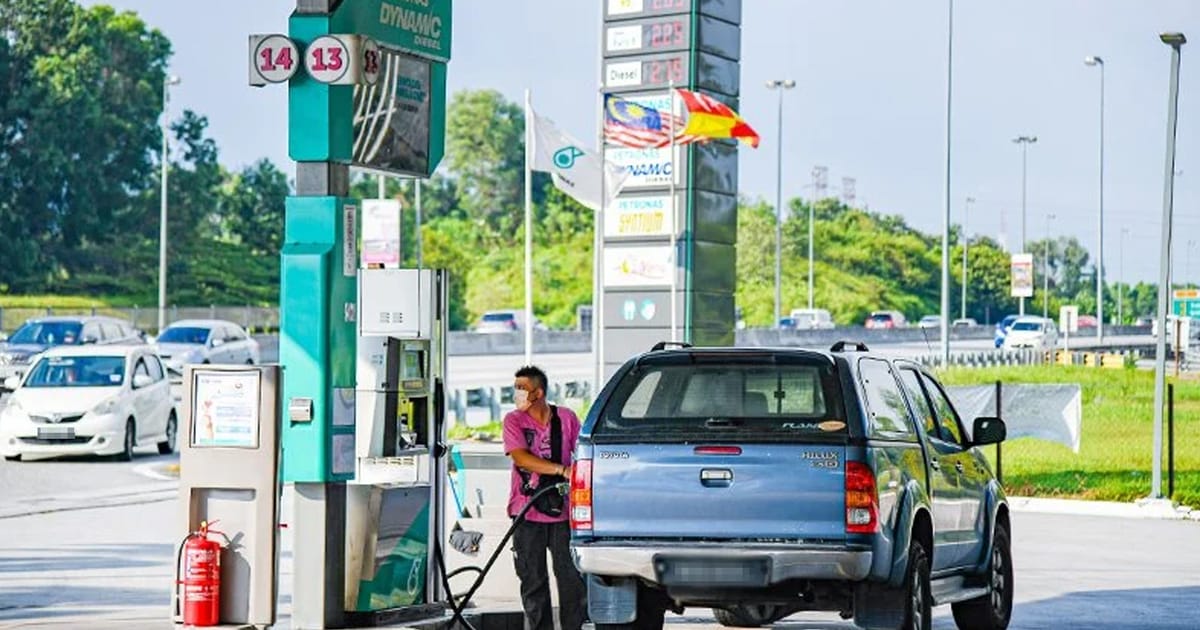
Global oil buffer is smaller
Malaysia could face a more expensive second oil-supply shock because the inventories that softened the previous disruption have declined, oil and gas analyst Jamil Ghani told Free Malaysia Today. Citing an International Energy Agency estimate, he said global oil inventories had fallen by about 410 million barrels since the war in West Asia began. That leaves consuming countries with less capacity to release stocks if another major interruption occurs.
The risk would increase if colder weather and higher seasonal demand coincided with a new supply shock. Jamil said this did not make a second winter energy crisis inevitable or currently the most likely outcome. The central concern is that part of the inventory buffer used during the first disruption is no longer available, meaning prices could respond more sharply to a comparable loss of supply.
Return of major buyers could intensify competition
Supply pressure could also rise when large consumers return to the market. China held about 1.49 billion barrels in strategic oil inventories at the end of the second quarter of 2026, according to a US Energy Information Administration estimate cited by Jamil. Those reserves were not close to exhaustion, but market pressure can emerge before stocks run out. When withdrawals slow, current purchases must increase; rebuilding inventories would add demand on top of normal consumption.
A more aggressive return by major buyers would increase competition not only for crude oil and refined products, but also for tankers and delivery slots. The effect would therefore reach physical prices, freight rates and the cost of securing reliable supply. For Malaysian refiners, fuel distributors and industrial consumers, disruption could become more expensive even without an outright domestic shortage.
Petronas commits capital to supply security
Petronas has already used additional resources to diversify oil supplies and obtain alternative liquefied natural gas during tensions in the Strait of Hormuz, Free Malaysia Today reported. The company also acquired Saudi Aramco’s stakes in Pengerang Refining Company Sdn Bhd and Pengerang Petrochemical Company Sdn Bhd. It signed an agreement with QatarEnergy for 2 million tonnes of LNG annually from 2028 and approved a third regasification terminal at Lumut, while continuing investment in Malaysian exploration and production.
These measures improve the resilience of Peninsular Malaysia but tie up more cash in operations, inventories, working capital and infrastructure. Petronas recorded RM47.5 billion in operating cash flow during the first six months of 2026, slightly below the same period a year earlier because of working-capital outflows. Its accounts also showed higher receivables and inventories alongside lower cash and cash equivalents.
Revenue rose 15% to RM152.4 billion in the first half of 2026, while profit after tax increased only 4% to RM27.2 billion. Jamil cautioned that higher oil prices should therefore not be treated as a simple windfall. Petronas must still finance alternative cargoes, logistics, crude and LNG purchases, fuel stocks, debt obligations and new projects. For Malaysia, preparedness depends not only on reported profit but on how much cash can be distributed without weakening the company’s ability to maintain supply during another disruption.