Malaysia’s commodity sector contributes RM19.65 billion to Q1 2026 GDP
Malaysia’s commodity and commodity-based industries contributed RM19.65 billion to GDP in the first quarter of 2026, up from RM18.95 billion a year earlier. Commodity-based product exports generated RM41.62 billion, while agricommodity exports to India rose by more than 50%.
Commodity contribution rises in first quarter
Malaysia’s commodity sector and commodity-based industries contributed RM19.65 billion to gross domestic product in the first quarter of 2026, according to public broadcaster RTM. The result was higher than the RM18.95 billion recorded in the same period of 2025, underlining the sector’s continued importance to national output.
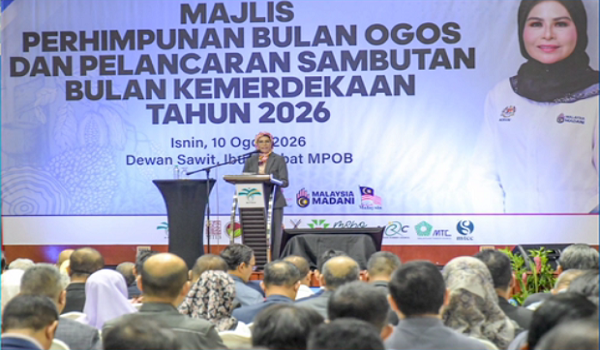
Commodity-based product exports generated RM41.62 billion during the quarter, Plantation and Commodities Minister Datuk Seri Dr Noraini Ahmad said at the ministry’s monthly assembly at the Malaysian Palm Oil Board headquarters. The figures cover both primary commodity activity and industries that process commodities into higher-value products.
Noraini said the sector’s performance should not be judged only by headline values. Export and productivity gains must also create more domestic value and raise incomes for smallholders and other industry participants, she said. That puts processing capacity, productivity and the distribution of earnings alongside export growth as policy priorities.
China and India remain central markets
The ministry is seeking to retain existing markets and develop new destinations as the industry faces global economic uncertainty, supply-chain pressure, changing logistics costs and sustainability requirements. These conditions affect producers and processors as well as traders competing in overseas markets.
China remains one of the principal markets for Malaysian agricommodity products, particularly downstream and value-added goods. India also delivered strong growth: Malaysian agricommodity exports to the country increased by more than 50% in the first quarter of 2026 compared with the same period a year earlier. RTM did not provide the value or product breakdown of that increase.
The growth in India strengthens the case for market diversification, while China’s importance to processed products highlights the commercial role of Malaysia’s downstream industries. Maintaining access to both markets will require suppliers to manage logistics costs and meet increasingly prominent sustainability and traceability demands.
Biofuel and traceability programs expand
The ministry plans to advance Malaysia’s energy agenda through the National Biodiesel Programme and development of the biofuel industry. It is also exploring used cooking oil as a feedstock for sustainable aviation fuel. The initiative could extend the agricommodity value chain beyond plantation production into energy and fuel processing, although no capacity, investment or timetable was disclosed.
The Malaysian Palm Oil Board introduced nine new technologies through its 2026 Palm Oil Technology Transfer Programme. It is also developing the Sawit Intelligent Management System and GeoSAWIT to strengthen industry traceability. These tools are intended to support an industry facing closer scrutiny of sourcing and sustainability standards.
The government will also expand the Salam Agrikomoditi programme to smallholder areas across Malaysia. The initiative is intended to reach more than 600,000 independent smallholders with information on assistance, certification, incentives and development programs. It began in Negeri Sembilan on 25 July and is due to move from state to state. The outreach links Malaysia’s export and technology agenda with the producers whose yields and compliance will determine how effectively the sector can capture additional value.