Malaysian Chili Growers Say Imports From China and Vietnam Hit 4,000 Farmers
Utusan Malaysia reports that about 300 tonnes of red chili imported from China and Vietnam and sold without controls has hurt the livelihoods of more than 4,000 Malaysian farmers, cutting incomes by up to 26 per cent. Imported chili reaches wholesalers at RM3 to RM4 per kilogram while local growers receive RM2 to RM2.50. Farmer representatives are calling for import controls, price mechanisms and supply chain monitoring.
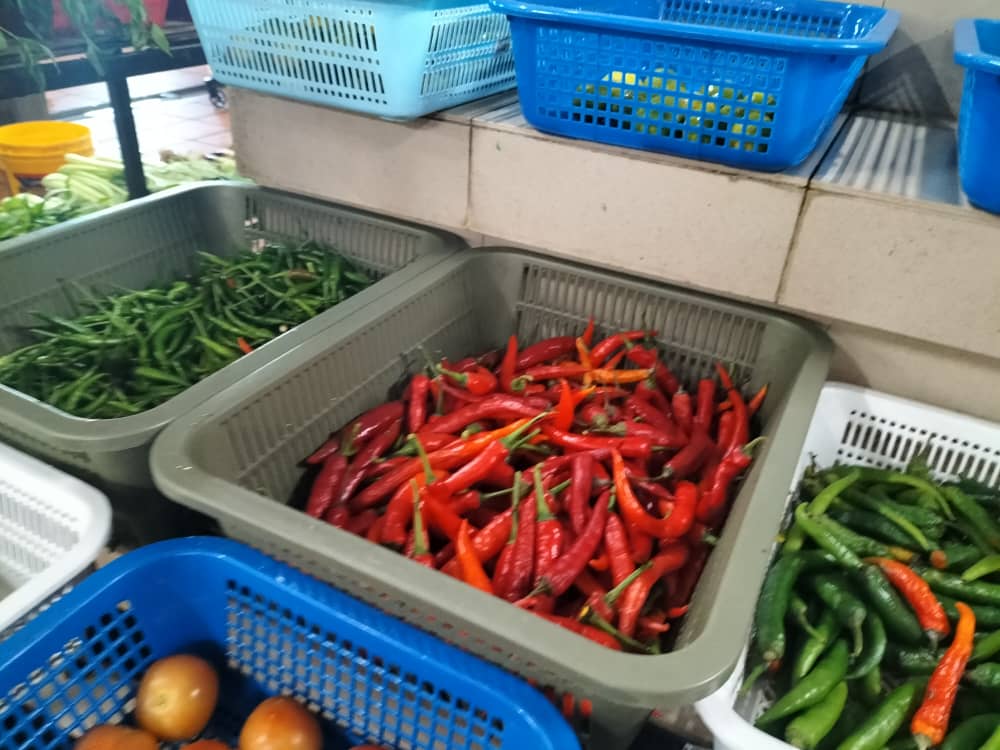
Chili growers in Malaysia say a steady inflow of imported red chili from China and Vietnam is holding farmgate prices below production costs and has cut incomes by as much as 26 per cent. Utusan Malaysia reported that about 300 tonnes of imported red chili sold in the domestic market without controls has hit the livelihoods of more than 4,000 local farmers, in a dispute that industry representatives say has been running for more than a decade.
Volumes, cartels and a decade of oversupply
Dr. Ab. Razak Khasbullah, chairman of the Selangor State Farmers' Organisation (Pertubuhan Peladang Negeri Selangor), told Utusan Malaysia that roughly 20 containers of imported red chili arrive in the country each day, with each container carrying 16 tonnes. He said the trade involves about 50 cartels competing against one another, which disrupts the local market. Utusan Malaysia did not state the period covered by the 300-tonne figure, which was cited separately from the daily container estimate.
According to Ab. Razak, the oversupply has persisted for more than 10 years, eroding farm incomes and the wider rural economy while leaving crop prices unpredictable. He said local growers struggle to compete because their own costs keep climbing, listing seed, fertiliser, pesticide and labour among the items that have become more expensive.
What the numbers look like at farm level
Zainudin Misrom, 41, a chili grower quoted by Utusan Malaysia, said his income has fallen by an average of 26 per cent because of the glut of imported chili. He reported a net profit of RM8,800 over a five-month period, an average of about RM1,760 a month. The squeeze was felt most sharply earlier this year, when imported chili was sold to wholesalers at around RM3 to RM4 per kilogram while local farmers received only RM2 to RM2.50 per kilogram.
- About 300 tonnes of red chili imported from China and Vietnam and sold without controls
- More than 4,000 local farmers affected, with incomes down by up to 26 per cent
- Net farm profit of about RM1,760 a month, or RM8,800 over five months
- Imported chili at RM3 to RM4 per kilogram wholesale against RM2 to RM2.50 per kilogram at farm level
Zainudin said production costs have remained high even as farmgate prices weakened, adding that growers spend about RM5 for each polybag while the yield obtained from it is small relative to that outlay.
Pressure for import controls
Ab. Razak called on the government to take drastic action to limit excessive inflows of imported agricultural produce, and to strengthen price control mechanisms and supply chain monitoring so that farmers receive fairer prices and are not forced to sell below the cost of production. He also said the authorities need to ensure imports do not undermine domestic output, arguing that growers require a guaranteed market if they are to keep planting the crop.
His central warning concerns dependency. If local productivity keeps falling, he said, Malaysia will rely increasingly on imported supply, and exporters would be able to monopolise pricing, pushing prices higher and beyond the government's ability to control them. "If farmers keep making losses, who will plant chili for the country's needs in the future?" he said, adding that more effective controls are needed for the survival of the local chili industry and for national food security over the long term.