Malatya Dried Apricot Exports Fall as Central Asian Suppliers Gain Ground
Malatya’s dried apricot exports have declined by as much as 40% in recent years, according to Yeşilyurt Chamber of Agriculture President Doğan Solmaz. Lower-cost Central Asian suppliers are gaining buyers as Turkish producers contend with high input costs and prices of 200-300 lira per kilogram.
Exports decline by as much as 40%
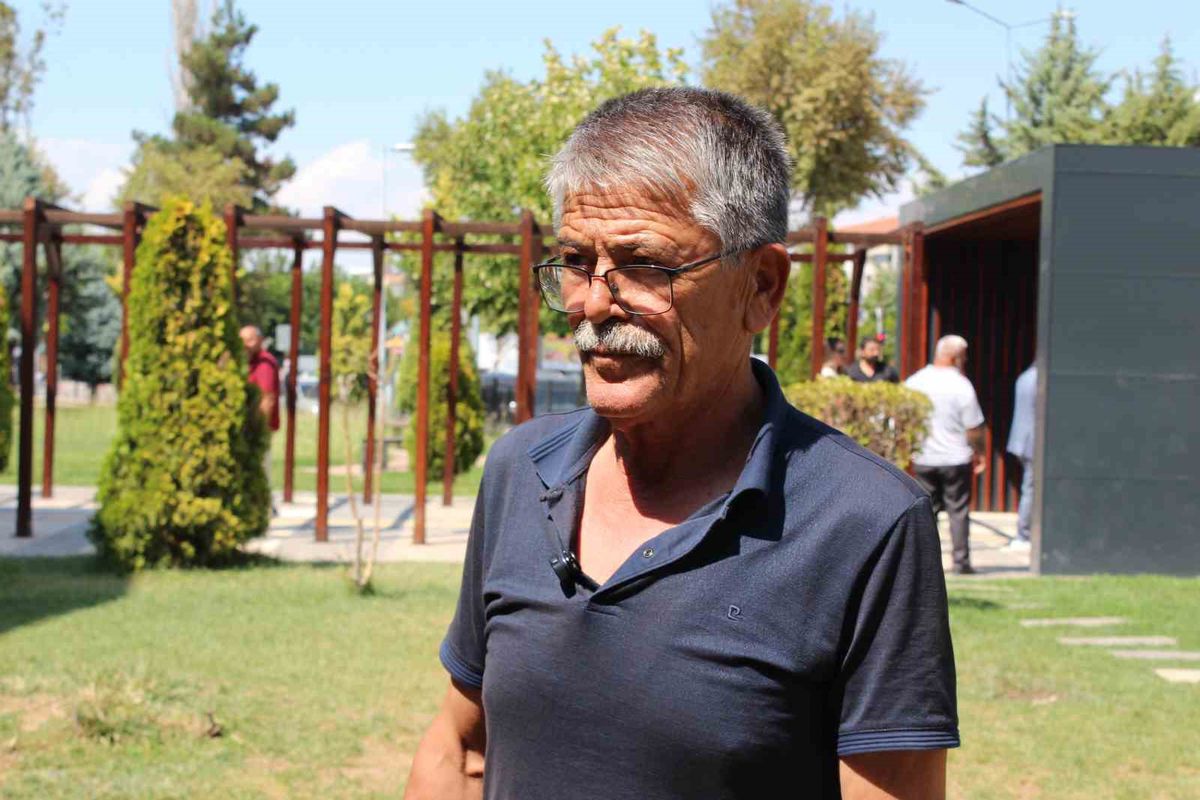
Malatya’s dried apricot industry is losing ground in international markets as high production costs and lower-priced competition from Central Asia put pressure on Turkish growers. Doğan Solmaz, president of the Yeşilyurt Chamber of Agriculture, said dried apricot exports had declined by as much as 40% in recent years and called for government support to protect producers.
The crop is an important source of income for Malatya, but Solmaz said exports were falling every year, damaging both the provincial and national economies. Haberler.com reported that Turkey accounted for 85% of global apricot production and consumption about 10 years ago, according to Solmaz. İLKHA described the historical figure as Turkey supplying approximately 85% of global dried apricot consumption.
Solmaz warned that Malatya’s global market share could contract further unless production costs are reduced and the industry’s competitiveness improves. He said the share of Turkish dried apricots handled through customs had also fallen in recent years.
Central Asian suppliers compete on price
Turkey faces increasing competition from Central Asian producers with lower input costs and stronger production support. Haberler.com identified Tajikistan, Kyrgyzstan, Uzbekistan and Turkmenistan as competing origins, while İLKHA named Kazakhstan, Kyrgyzstan, Uzbekistan and Turkmenistan.
According to İLKHA, these countries have improved their drying methods and expanded production of both sulphured and naturally sun-dried apricots. Solmaz said their quality had moved closer to that of Malatya fruit, while low harvest volumes and a substantial price advantage encouraged buyers in consuming countries to switch suppliers.
The reported price gap is wide. Solmaz said Malatya apricots were sold for $7-8, compared with $1.90 for competing products. The reports did not specify the pricing unit. He argued that buyers naturally turned to the cheaper product as the quality difference narrowed.
Domestic prices fail to offset costs
Dried apricot prices in Turkey range from 200 to 300 lira per kilogram depending on quality, according to both Haberler.com and İLKHA. Solmaz said these prices were insufficient to compensate farmers for losses caused by high production costs.
He also criticized a practice in which some exporters obtain apricots from competing countries, process and package them at factories in free zones, and then re-export the products. Solmaz argued that this trade weakens demand for Malatya apricots even when Turkish processors and exporters remain involved in the final supply chain.
Producers seek targeted support
Solmaz called for measures aimed at lowering farm costs and strengthening the position of local growers. His proposals included greater research and development work, preferential support for farmers and support purchases conducted through the licensed warehousing system.
Under the proposed approach, apricots acquired through support purchases would subsequently be supplied to exporters on favorable terms. Solmaz presented this mechanism as a way to protect producers while preserving access to export channels. The industry’s challenge is to narrow the large price difference with Central Asian fruit without sacrificing the quality position associated with Malatya. Without cost relief or effective purchasing support, producers risk losing additional market share as importers and consumers continue to favor cheaper origins.