Maharashtra FDA chief flags alleged synthetic milk made with caustic soda and shampoo-like chemicals
Maharashtra FDA Commissioner Tukaram Mundhe has disclosed alleged methods of producing synthetic milk using caustic soda and shampoo-like chemicals. The regulator is promoting digital traceability to improve oversight of the milk supply chain.
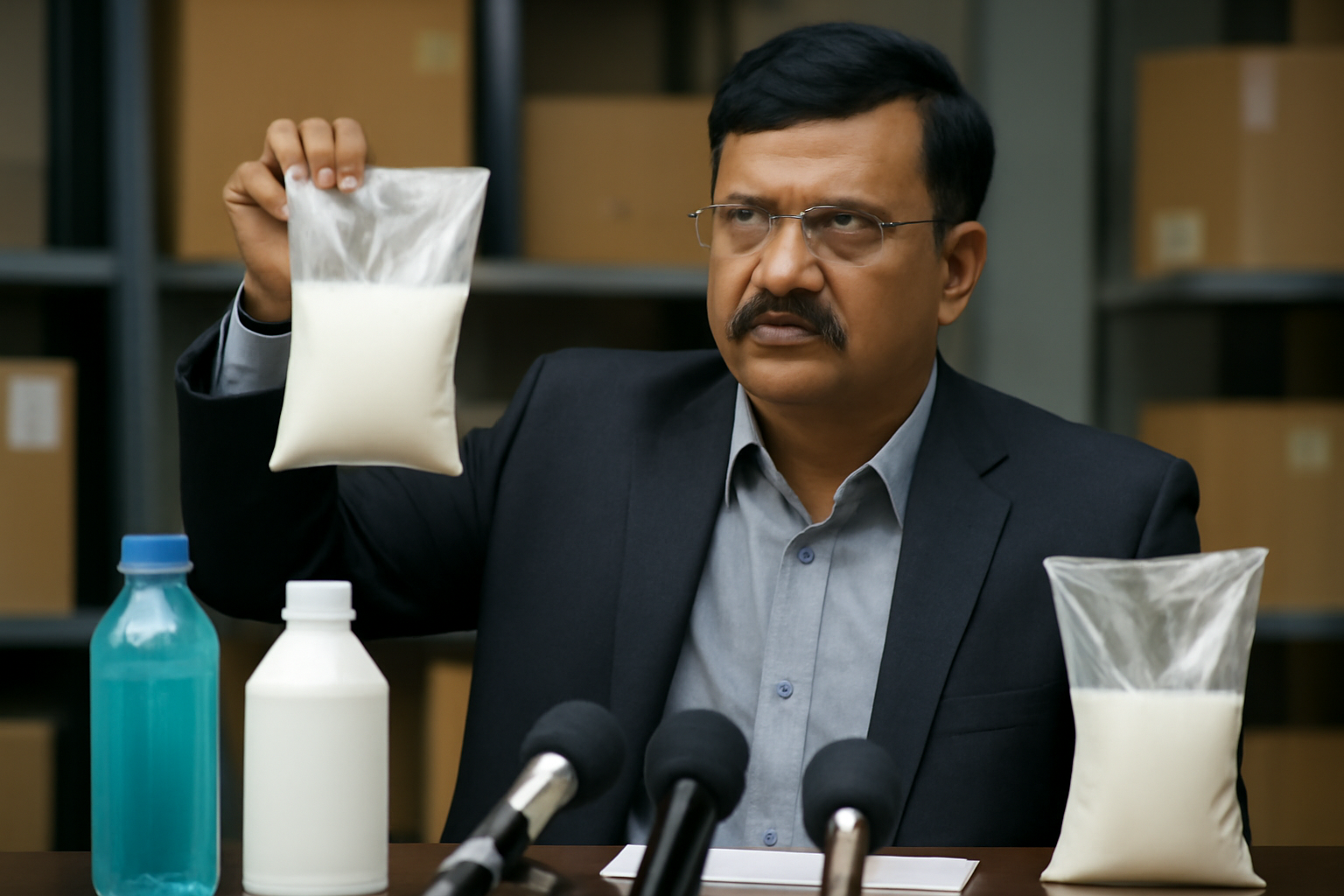
Maharashtra regulator identifies alleged adulteration methods
Maharashtra Food and Drug Administration Commissioner Tukaram Mundhe has disclosed alleged methods used to manufacture synthetic milk, raising concerns about the integrity of the dairy supply chain in the Indian state. Jansatta reported that an investigation uncovered information about milk allegedly being produced with chemicals including caustic soda and substances resembling shampoo.
The available report does not identify the companies, processing facilities or individuals allegedly involved. It also provides no figures for the volume of affected milk, the number of samples examined or the geographic reach of the suspected adulteration. The disclosure therefore establishes the nature of the alleged production method, but not the scale of its presence in Maharashtra’s milk market.
Caustic soda and shampoo-like chemicals are not conventional dairy ingredients. Their alleged use places the issue beyond routine variations in milk composition and makes the origin and handling of each consignment central to regulatory scrutiny. For producers and processors, the disclosure increases the importance of demonstrating where milk was collected, how it was transported and whether it was altered before reaching a processing or retail point.
Digital traceability becomes the regulatory focus
Mundhe also explained how digital traceability could be used to monitor the milk supply chain, according to Jansatta. A traceability system can connect information from different stages of the chain, allowing regulators and commercial buyers to follow milk from its source through collection and subsequent distribution. The report does not specify which technology would be used, when such a system might be introduced or whether participation would be mandatory.
The proposal is significant for a product that can pass through several commercial hands before sale. When records remain fragmented, identifying the point at which adulteration occurred becomes more difficult. Digitally connected records could give inspectors a clearer path for reviewing batches and could help compliant suppliers distinguish their product from milk with an uncertain origin.
Implementation would nevertheless depend on the quality of the information entered into the system. Digital records cannot by themselves confirm that milk is authentic or free from prohibited substances. Physical inspection, sampling and laboratory analysis would still be necessary to test the product, while traceability would help investigators determine where a suspect batch originated and which operators handled it.
Implications for dairy businesses
The allegations create immediate reputational risk for Maharashtra’s wider dairy sector even though the available material does not establish how widespread the practice may be. Farmers, collection centres, processors, distributors and retailers can all be affected when consumers or buyers lose confidence in the safety and authenticity of milk.
For legitimate operators, stronger documentation may become a commercial requirement as well as a compliance measure. Buyers may seek more reliable records on suppliers and product movement, while processors may need closer control over incoming milk. Regulators, meanwhile, will need to combine traceability with testing if they are to separate isolated misconduct from a broader supply-chain problem.
The investigation described by Mundhe has exposed an alleged method of adulteration and placed supply-chain visibility at the centre of the response. Until authorities publish information on samples, locations, volumes or enforcement action, the size of the problem remains undetermined. The next material development for the industry will be whether Maharashtra converts the traceability proposal into a defined system and links it to inspection and testing.