Maharashtra drought doubles Indian onion prices before festival season
Retail onion prices in India have roughly doubled year-on-year, with bulbs that sold at 30 rupees a kilogram trading again at 60 rupees, as drought-like conditions hit Maharashtra, the source of about 40% of national output. A Citi Research report cited by ABP Live puts more than 49.4% of the country under drought-like conditions at the end of September 2026, with rainfall 12% below the long-period average.
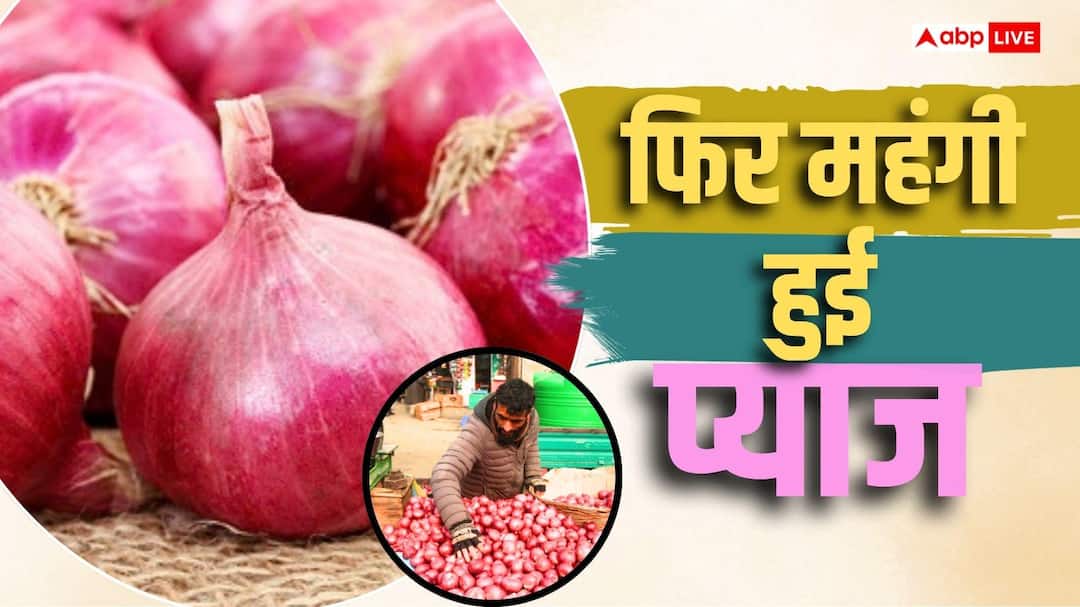
Onion prices double before the festival season
Retail onion prices in India have roughly doubled from a year earlier, with produce that sold at 30 rupees a kilogram again trading at 60 rupees, according to ABP Live. The increase lands just as festival-season demand builds, raising household food bills in the weeks when onion consumption peaks.
The trigger sits in Maharashtra, which accounts for about 40% of India's onion output. ABP Live reports that drought-like conditions in the state have pushed onion prices to roughly twice last year's level. Citi Research, in a recent report cited by the publication, warned that a weaker-than-expected monsoon this year could lift food prices across India.
Half the country is dry
By the end of September 2026, more than 49.4% of India was under drought-like conditions, according to the Citi Research report, far above earlier years. In 2023 about 30% of the country was affected. Roughly 10% of the current area falls into a more severe category.
The regional breakdown points directly at the onion belt:
- About 84% of Maharashtra and 80% of Punjab are under drought-like conditions.
- Government figures together with data from IIT-Gandhinagar show 265 of Maharashtra's 358 talukas declared drought-hit, close to 74% of the state.
- Around 37% of the affected area faces very severe drought.
- States producing three-quarters of India's onions, two-thirds of its pulses and half of its rice have recorded rainfall deficits of more than 10%.
Nationally, rainfall came in 12% below the long-period average, which the report attributes mainly to El Niño conditions. That is the largest monsoon shortfall since 2015 and leaves kharif crops exposed.
Acreage holds, yields at risk
Total kharif sown area this season is 1.2% lower than last year and remains close to normal levels. The pressure therefore sits on yields rather than planted area, because the rainfall deficit is concentrated in the states that supply most of the country's onions, pulses and rice.
The taluka-level declarations show how concentrated the damage is. A count of 265 drought-hit talukas out of 358 points to a state-wide shortfall rather than a localised one, in the state behind about 40% of national onion output.
Food inflation already in the data
August consumer price index data from the Ministry of Statistics and Programme Implementation (MoSPI) showed food prices rising, an effect the report links to the weak monsoon. The same volatility continued into September, when sugar, rice and pulses moved higher alongside onions.
For buyers and processors the sequence matters. Onion is the most visible line because households buy it weekly, but the rainfall deficit covers the staples that anchor the Indian food basket. With roughly half the country dry and the weakest monsoon in a decade, the kharif onion arrivals that normally cap prices late in the year are the variable to watch.