Maersk Tests 100% Ethanol on Dual-Fuel Container Ships
Maersk has successfully tested 100% ethanol on dual-fuel container ships after earlier trials with ethanol-methanol blends. The results widen its fuel options, but commercial adoption will depend on cost, supply, lifecycle emissions and regulatory treatment.
Trials advance from blended fuel to 100% ethanol
A.P. Moller - Maersk successfully tested 100% ethanol on a dual-fuel vessel in the first quarter of 2026, according to Post Today. The Danish shipping and logistics group is evaluating ethanol as an additional fuel for ships whose dual-fuel engines were originally designed to use methanol.
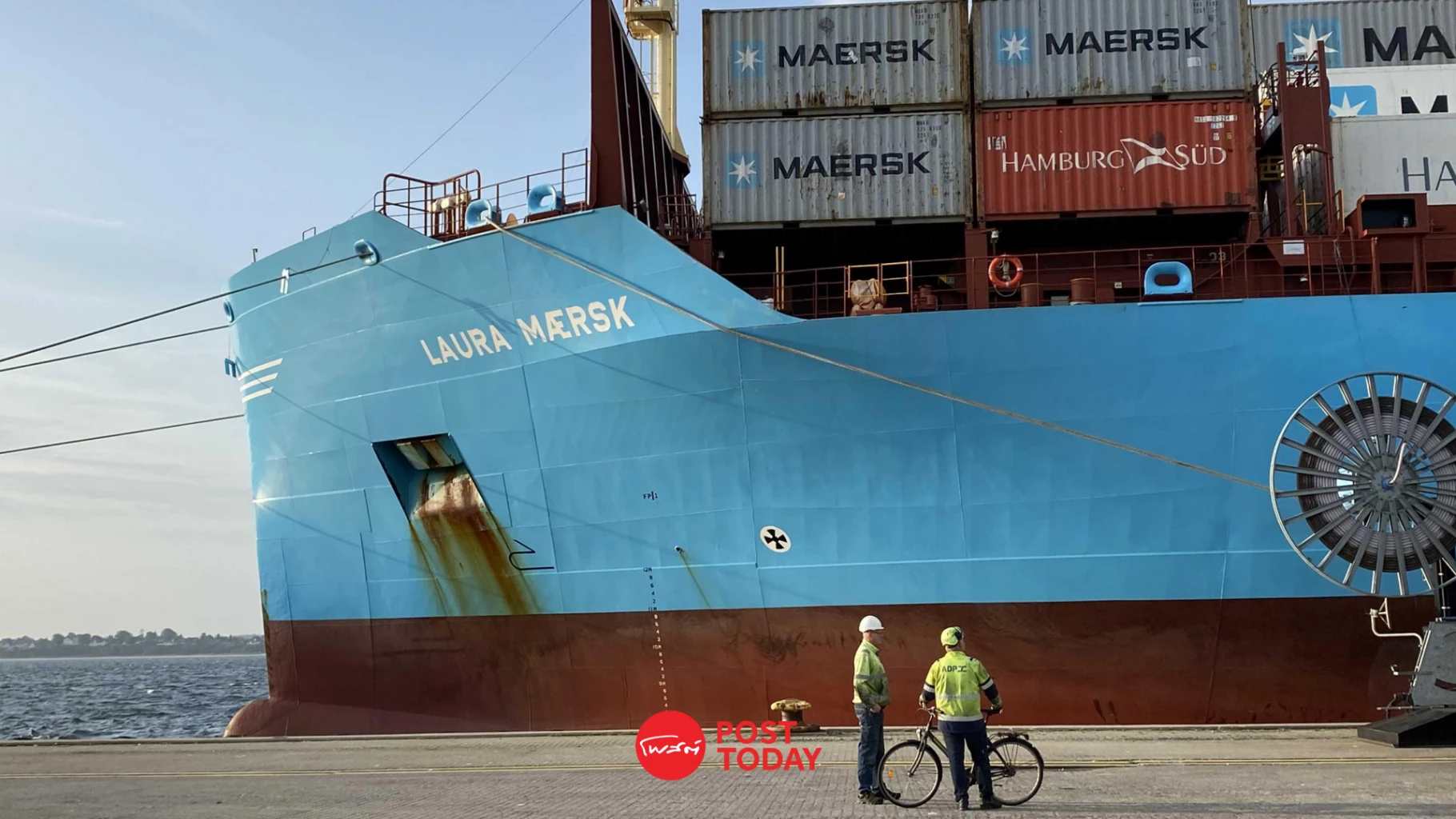
The program began with a blend containing 10% ethanol and methanol. Maersk subsequently raised the proportion to 50% ethanol and 50% methanol aboard the 2,100-TEU Laura Mærsk in December 2025 before progressing to 100% ethanol in 2026. The staged approach allowed the company to assess engine performance, fuel handling and safety before moving closer to commercial operating conditions.
Ethanol and methanol are both alcohol fuels and share some handling and combustion characteristics. This could allow methanol dual-fuel vessels to be adapted for ethanol without replacing the entire propulsion system. Such a conversion would still require changes to system settings and an assessment of whether associated equipment is suitable.
Bunkering trials extend to larger vessels
In June 2026, Laura Mærsk received 100% ethanol from a bunker vessel at the Port of Rotterdam. The operation tested bunkering and fuel-management procedures under conditions closer to normal service. In July, Maersk supplied 100% ethanol to the larger dual-fuel container ship Antonia Mærsk at the Port of Barcelona, extending the trial beyond the original 2,100-TEU vessel.
At the end of the first quarter of 2026, Maersk operated 21 dual-fuel ships and had another 33 vessels in its orderbook, Post Today reported. A fleet capable of consuming more than one fuel would give the carrier greater scope to make purchasing decisions based on price, availability and environmental requirements on individual routes. It would also limit dependence on a single alternative fuel.
Ethanol already has established supply chains in several countries, particularly the United States and Brazil, two major producers. That production base could support a marine-fuel market if suppliers and shipping companies can establish adequate volumes alongside credible standards for quality and sustainability. Port storage, bunkering capacity and reliable delivery would also need to develop around the routes where vessels operate.
Cost and lifecycle emissions remain decisive
A successful engine and bunkering trial does not establish ethanol’s commercial competitiveness. Costs, feedstock availability and total greenhouse-gas emissions vary according to how ethanol is produced. The sector must also account for competition with food production, land use and other sustainability risks when evaluating different feedstocks.
Regulation will shape demand as well. Ethanol is being considered within the International Maritime Organization’s alternative-fuel framework, while regional decarbonization rules differ, particularly in the European Union. Those differences could change the economic incentive to use ethanol on Europe-related routes. Maersk’s tests therefore do not indicate an immediate replacement of methanol or fossil fuels. They demonstrate that ethanol can broaden the fuel choices available to a growing dual-fuel fleet, provided supply, pricing, certification and regulatory acceptance can support deployment at industrial scale.