Maersk, Hapag-Lloyd to Route Asia-Europe Service Back Through Suez
Maersk and Hapag-Lloyd will shift their AE15 Asia-Europe service back through the Suez Canal starting July 24, ending a Cape of Good Hope detour in place since late 2023. Egypt's canal revenue has dropped sharply amid the diversions, though Houthi threats and a fragile US-Iran de-escalation leave the route's stability uncertain.
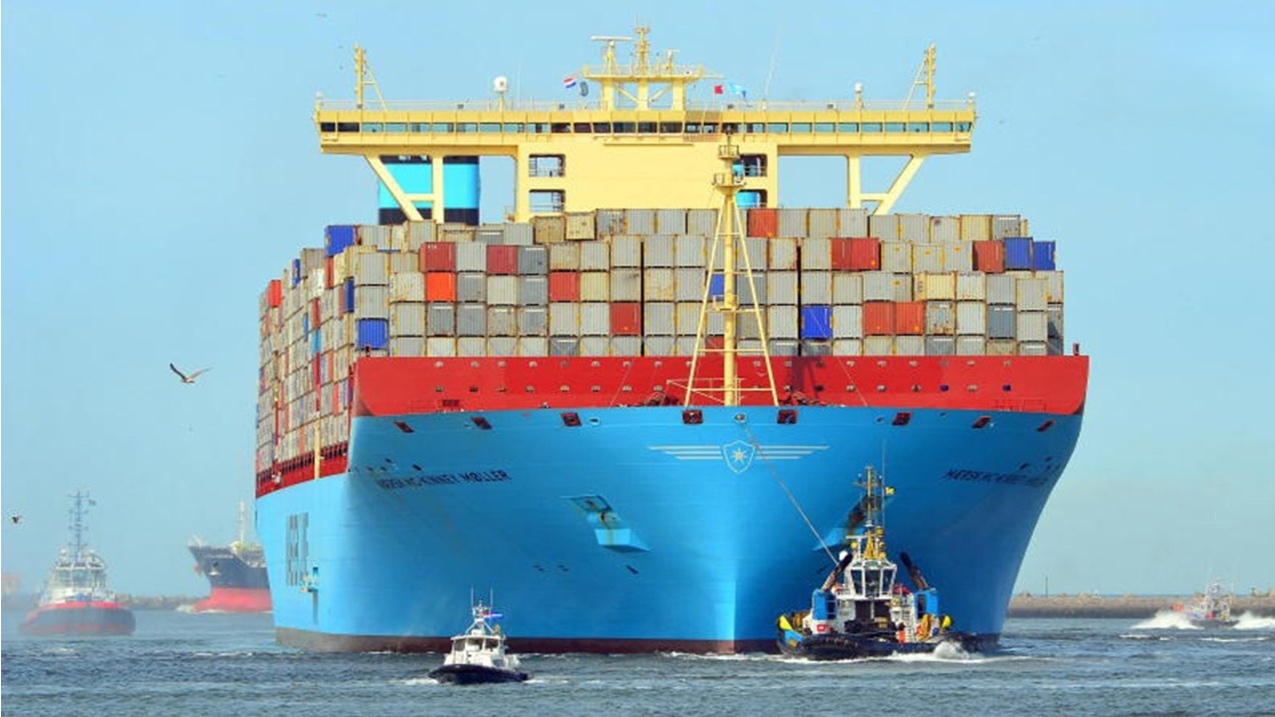
Gemini Partners Shift AE15 Service Back to Suez
Maersk said Monday that its AE15 service, operated jointly with Hapag-Lloyd under the Gemini Cooperation, will resume transits through the Suez Canal instead of sailing around the Cape of Good Hope. The first sailing will be the Majestic Maersk departing Port Said on July 24. The AE15 rotation connects Qingdao, Kwangyang, Ningbo, Tanjung Pelepas, Port Said, Damietta, Colombo and Singapore, linking Asia, the Mediterranean and Europe.
Maersk described the move as a "structural change" following "thorough assessments of the security situation in the Red Sea area," calling it a step toward a "gradual return to the trans-Suez corridor." The carrier said the Suez route offers the fastest and most efficient transit between Asia and Europe, though it added that continued use of the corridor depends on Red Sea stability and the absence of renewed conflict.
Diversions Have Cost Egypt Billions in Toll Revenue
Global container and tanker lines diverted away from the Red Sea starting in late 2023 after Yemen's Houthi militia began attacking merchant shipping in connection with the Gaza conflict. The Suez Canal, which according to FreightWaves accounts for roughly 15% of Egypt's total revenue, saw toll income fall as much as 40% in 2024, from $47 million to $28 million. Container toll revenue dropped 66%, and total vessel transits fell about 38% over the same period. Maersk had previously tested a return to the Suez earlier this year but withdrew when hostilities in the region flared again.
Security Situation Remains Fragile
The renewed routing coincides with tentative de-escalation amid ongoing US-Iran negotiations, which have largely quieted hostilities in the Strait of Hormuz, though vessel traffic through that waterway remains sparse. Risks persist elsewhere: the Houthis warned last week of a "comprehensive response" against Saudi Arabia over alleged airspace violations, after accusing Saudi warplanes of trying to block an Iranian civilian aircraft from landing in Sanaa, and threatened Saudi airports and other coastal and land targets.
Wider Fleet Could Follow
Other carriers have already been expanding Suez use. French line CMA CGM added five eastbound Asia-Europe sailings on its FAL3 service in June, and Taiwan's Wan Hai remains the only other major carrier regularly transiting the canal. Still, according to data from Linerlytica cited by FreightWaves, 780 vessels with a combined capacity of 11.3 million TEUs continue to be routed via the Cape of Good Hope. A full-scale return to Suez could free up an estimated 120 ships, or 1.7 million TEUs of capacity — about 5% of the global container fleet.