Madrid recycles 13,516 tonnes of used industrial oil into lubricant feedstock
The Community of Madrid generated 13,516 tonnes of used industrial oil in 2025, mainly at mechanical workshops and industrial facilities. The collected waste was reprocessed and returned to the market as feedstock for lubricants.
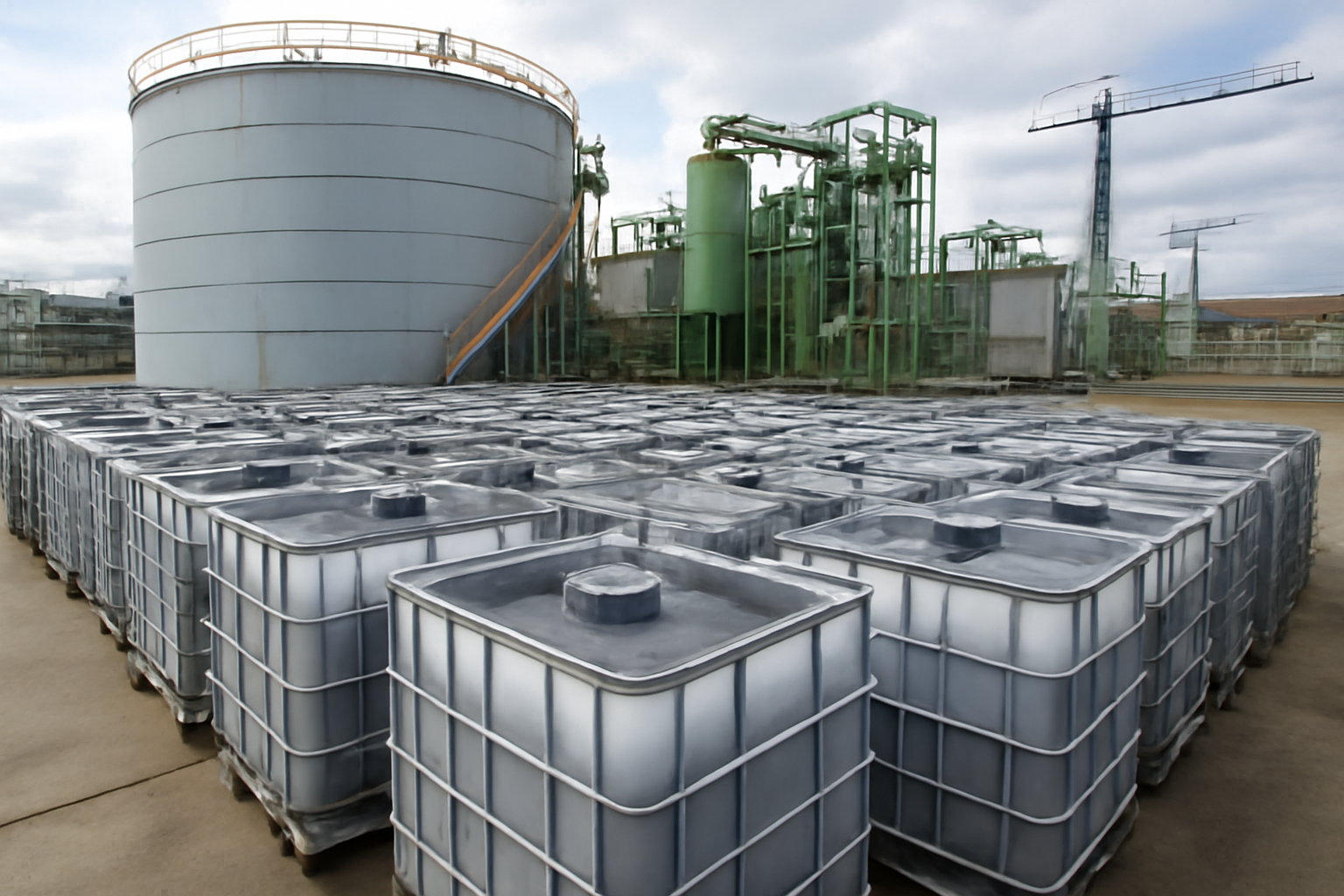
Madrid recovers industrial oil waste
The Community of Madrid generated 13,516 tonnes of used industrial oil in 2025, according to Madridiario. The material came mainly from mechanical workshops and industrial facilities, where lubricants become waste after use in vehicles, machinery and production equipment.
The reported volume represents a substantial stream of recoverable material within Madrid’s industrial waste system. Rather than remaining outside the productive economy, the collected oil was directed back to the market as feedstock for lubricants.
The operation connects two sides of the regional industrial chain. Workshops and factories are the principal generators, while waste collection and reprocessing provide a route for the material to re-enter lubricant production.
Collection links generators with processors
Collection is the essential first stage because used industrial oil is generated across many separate sites. Madrid’s 2025 total therefore reflects waste gathered primarily from a distributed network of workshops and industrial installations rather than from a single production centre.
For those businesses, the collection system provides an outlet for a residue created during routine operations. For processors, the same flow represents secondary raw material that can be prepared for renewed industrial use.
Madridiario’s report identifies the total amount generated and collected but does not provide a breakdown between mechanical workshops and industrial facilities. It also does not specify monthly volumes, individual processing companies or the quantity of finished lubricant produced from the recovered oil.
Recovered oil returns to the lubricant market
Returning used oil as lubricant feedstock keeps the material within the industrial value chain. The 13,516-tonne figure is therefore relevant not only to waste management companies but also to lubricant producers and buyers monitoring the availability of recovered inputs.
The reported cycle also shows how a waste stream from transport maintenance and industrial activity can become an input for another production process. Its commercial significance depends on reliable collection from the sites where the oil is generated and on sufficient reprocessing capacity to prepare it for the lubricant market.
For market participants, the principal disclosed indicator is the scale of Madrid’s recoverable supply in 2025. Further assessment of its impact on lubricant production, prices or trade would require data on processing yields, product specifications and the destination of the resulting feedstock, none of which was included in the available report.