Madhya Pradesh approves ₹29.73 billion plan to expand dairy collection and processing
Madhya Pradesh has approved a five-year, ₹29.73 billion dairy development plan proposed by the National Dairy Development Board. The program targets 26,000 milk-collection villages and daily processing capacity of 6.33 million liters.
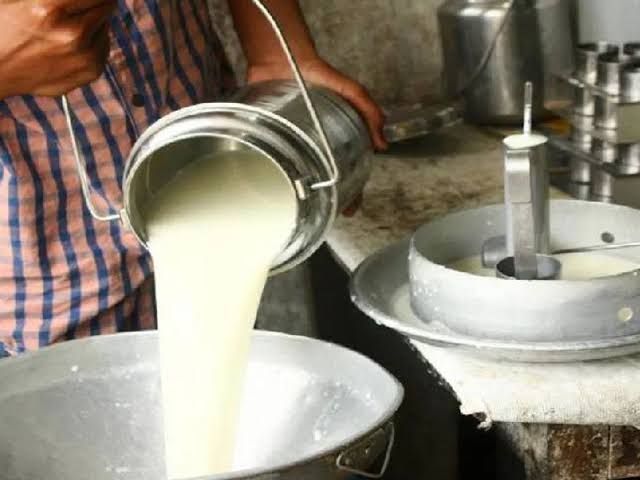
Cabinet backs five-year dairy expansion
The Madhya Pradesh cabinet has approved ₹29.73 billion for a dairy development plan intended to strengthen the state's cooperative milk system and the Sanchi brand. According to Bhaskar, the National Dairy Development Board proposed the program under an agreement signed last year with the MP State Cooperative Dairy Federation.
The five-year plan aims to increase daily milk collection from 1.2 million kilograms to 5.2 million kilograms. Its geographic reach is set to expand from 7,331 villages to 26,000, bringing many more rural producers into the organized procurement network.
Processing and packaged milk targets rise
Daily milk-processing capacity is planned to increase from 1.78 million liters to 6.33 million liters. Sales of packaged milk, currently reported at 700,000 liters per day, are targeted to reach 3.5 million liters per day. If achieved, the increase would substantially expand the volume handled by cooperative plants and marketed through the Sanchi brand.
The collection target grows faster than the processing target, although the two figures are reported in different units: kilograms for collected milk and liters for processing capacity. Execution will therefore depend on coordinating procurement, chilling, transport, plant utilization and retail demand as the network expands across nearly 18,700 additional villages.
Funding includes state infrastructure spending
Bhaskar reported that the state government will spend ₹5 billion on infrastructure and provide a ₹2.41 billion state contribution toward the implementation of central government schemes. The source did not specify how the remaining portion of the approved ₹29.73 billion will be allocated.
The plan also seeks to raise artificial-insemination coverage from 15% to 50%. That measure addresses the production side of the dairy system by widening access to breeding services, while the investments in collection and processing address the route from farms to consumers. For producers, the larger cooperative footprint could create access to formal milk procurement in villages that are currently outside the network. For processors and distributors, the central challenge will be converting the planned increase in raw-milk collection into sustained sales of packaged milk and other dairy products.