Machinery overtakes agriculture in Morocco’s €25.5 billion exports to the EU
EU imports from Morocco reached €25.5 billion in 2025, with machinery and transport equipment accounting for €12.9 billion. Agriculture remained significant at €3.7 billion, but Morocco’s export relationship with Europe is now led by factory output.
Factory goods take the lead
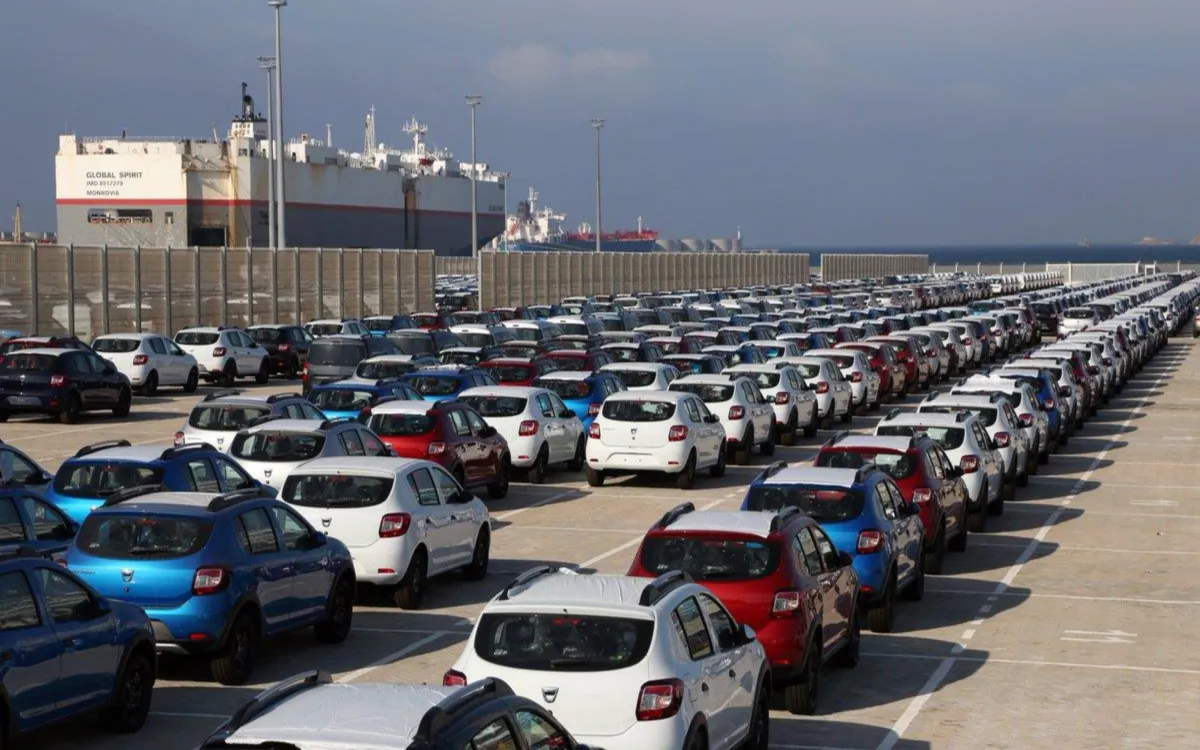
The European Union imported €25.5 billion of goods from Morocco in 2025, and more than half of that value came from machinery and transport equipment. Citing the latest European Commission data, Bladi.net reported that the category was worth more than €12.9 billion, equivalent to 50.6% of EU merchandise imports from the country.
The category includes vehicles assembled in Morocco, automotive components, electrical wiring and other industrial equipment. Its dominant share marks a change in the composition of Morocco’s sales to Europe: manufactured products, rather than agricultural goods or raw materials, now occupy the leading position. More than one euro in every two spent by EU buyers on Moroccan goods went to machinery and transport equipment.
Automotive clusters deepen European integration
The automotive industry is central to the shift. Manufacturing clusters around Tangier and Kenitra bring together vehicle producers and suppliers of seats, cables, electronic components and other inputs. Aerospace and electronics production also contributes to the country’s expanding industrial base, according to Bladi.net.
A significant portion of the goods entering the EU is produced by European groups that have established manufacturing operations or supplier networks in Morocco to serve the continental market. This arrangement connects Moroccan factories directly with European production and distribution chains. It also means that demand from European vehicle and equipment markets increasingly shapes Moroccan industrial output, while European manufacturers rely on plants and suppliers across the Mediterranean.
Agriculture remains important but smaller
Moroccan agricultural products sold to the EU were valued at €3.7 billion in 2025, representing about 14.5% of European imports from the kingdom. Tomatoes, citrus fruit, berries and vegetables remain major export products, but their combined value was less than one-third of the amount recorded for machinery and transport equipment. Agriculture therefore retains commercial importance without defining the overall structure of Morocco’s exports to Europe.
The comparison also puts recurring attention on Moroccan farm exports into perspective. Agricultural shipments can have a concentrated effect on individual European produce markets, particularly during seasonal supply periods, but their aggregate value is substantially below that of industrial goods. For exporters and investors, the figures show that Morocco’s European exposure now extends well beyond food and farming into vehicles, components, electrical products and industrial equipment.
EU maintains an €11.2 billion surplus
Total merchandise trade between Morocco and the EU reached €62.2 billion in 2025. The EU exported €36.7 billion of goods to Morocco and imported €25.5 billion, leaving the bloc with a trade surplus of approximately €11.2 billion. Europe remains Morocco’s largest trading partner by a wide margin, absorbing more than half of Moroccan exports and supplying a comparable share of its imports.
The overall balance shows that industrial integration has not eliminated the EU’s trade surplus. Instead, it has changed what Morocco contributes to the relationship. The country increasingly supplies factory-made goods to European customers while continuing to purchase a larger value of European products. For manufacturers, logistics operators and component suppliers, the €12.9 billion machinery and transport flow is evidence that Morocco has become part of Europe’s industrial production system, not merely an adjacent supplier of agricultural commodities.