Luxury eyewear grows to an estimated €17 billion as wider luxury market slows
Luxury eyewear is expanding while the broader luxury goods market loses momentum. Bain & Company estimates that the segment will reach €17 billion in 2025, making it an exception within the sector.
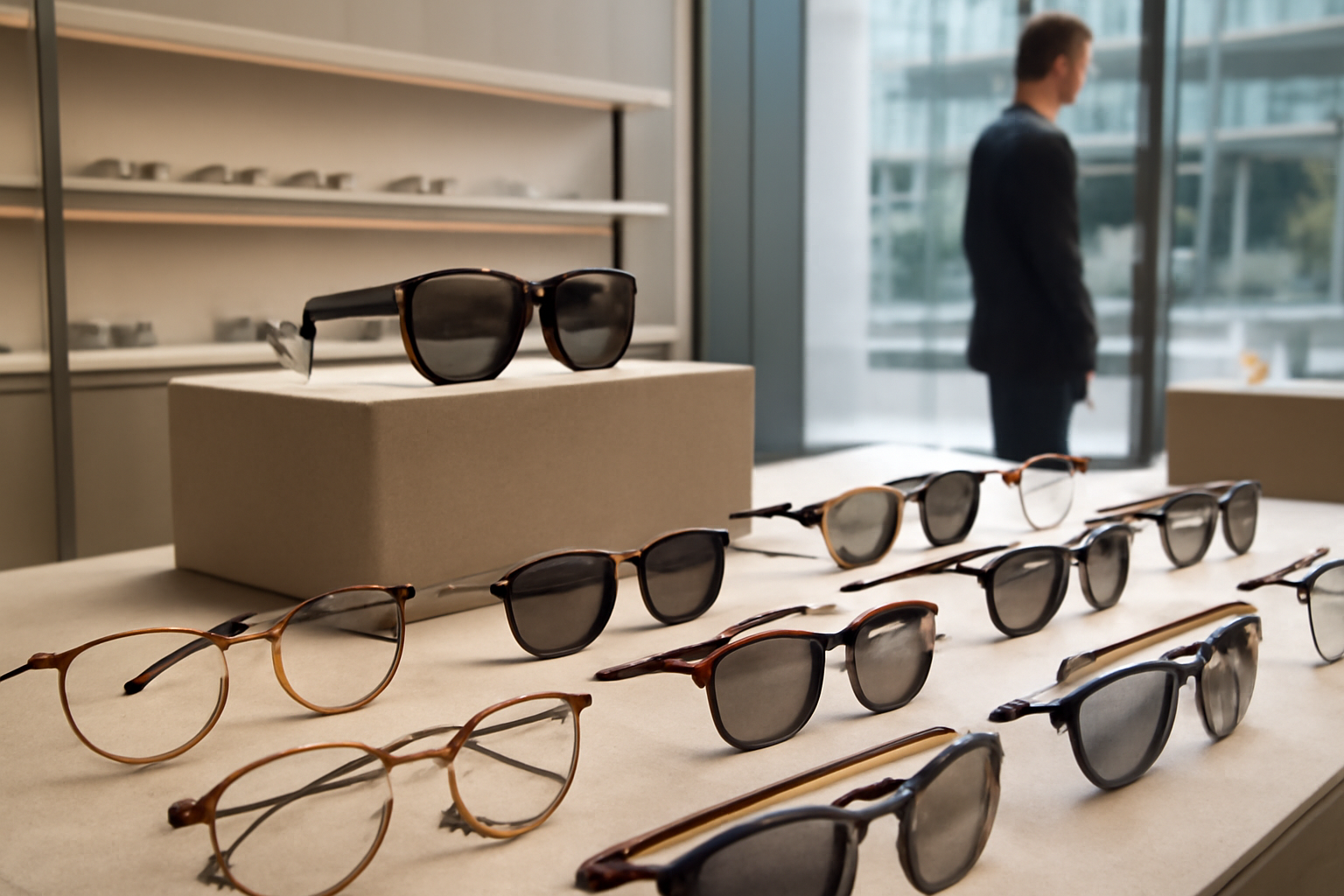
Eyewear diverges from the luxury slowdown
Luxury eyewear is emerging as an exception within a cooling luxury goods market. Bain & Company estimates that the segment will reach €17 billion in 2025, with sales continuing to grow even as the wider industry loses momentum.
The divergence gives eyewear a distinctive position in the luxury sector. Growth in one category does not offset weakness across the entire market, but it shows that demand is not moving uniformly. For brands, manufacturers, distributors and investors, category-level performance is therefore becoming more important than the overall direction of luxury spending.
A category with defensive qualities
Eyewear combines a visible fashion element with a practical function. That combination can help explain why the category is performing differently from other luxury goods, although the information provided does not quantify the contribution of individual products, markets or sales channels. The €17 billion estimate covers the segment as a whole and should not be read as evidence that every brand or country is expanding at the same rate.
The market’s relative resilience could affect how luxury groups allocate attention and capital. Companies with established eyewear operations have exposure to a growing category, while brands relying on licensing partners may examine whether their existing arrangements capture enough of that growth. Independent producers and distributors, meanwhile, face a market that is expanding but is likely to attract stronger competition from groups seeking growth outside slower luxury categories.
Commercial implications for the supply chain
A growing €17 billion market creates opportunities beyond consumer-facing brands. Frame and lens producers, component suppliers, contract manufacturers, wholesalers and specialist retailers all participate in the value chain. However, the headline estimate does not provide production volumes, pricing, margins or geographical trade flows. Those indicators will be necessary to determine where the additional market value is accumulating and whether growth is being driven by higher prices, greater unit sales or a combination of both.
For market participants, the central signal is the contrast with the rest of luxury. Eyewear is not simply following the broader sector downward; it is developing on a different trajectory. Producers will need to judge whether demand justifies additional capacity, while distributors and retailers must decide which brands and price points are best placed to benefit. Investors will also need to distinguish between exposure to the category and the ability to convert category growth into earnings. Bain & Company’s €17 billion estimate establishes the scale of the opportunity, but company-level execution will determine who captures it.