Canada's Lumina Metals prepares Nowa Sol copper-silver mine in Poland, waits on tax reform
Lumina Metals is advancing the Nowa Sol copper-silver project in south-western Poland, with a pre-feasibility study due in the second half of 2027. Chief executive Jordan Pandoff told wnp.pl that end-2025 changes cut the project's total fiscal burden from about 80 percent to just under 70 percent, against 35-45 percent in other NATO states. The company raised about 1 billion zloty in its Warsaw listing and has signed a letter of intent with KGHM on copper concentrate supplies.
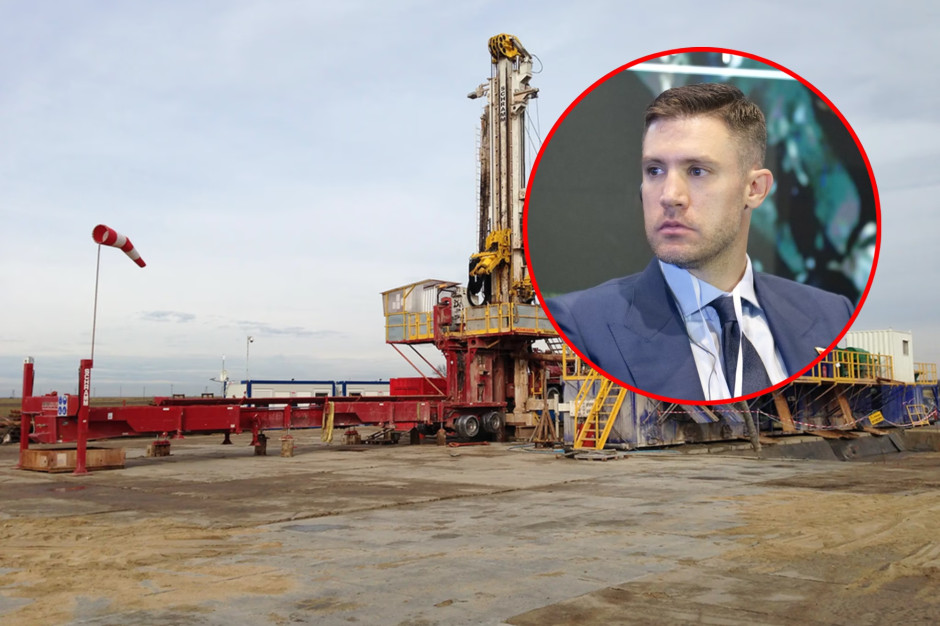
Canadian company Lumina Metals is moving its Nowa Sol copper-silver project in south-western Poland toward a construction decision, but chief executive Jordan Pandoff says the country's mining tax regime still stands in the way of a final investment commitment. He spoke to the Polish industry portal wnp.pl during the Future Mining Forum & Expo in Katowice.
Lumina is developing three copper-silver projects in the region. Nowa Sol is the most advanced and, according to wnp.pl, one of the largest undeveloped projects of its kind in Europe. The company has operated in Poland for more than a decade, and the asset has already moved from exploration into engineering work, environmental studies and preparation of permitting documentation.
Pre-feasibility study due in 2027
"We are at the pre-feasibility study stage and the work is well advanced. It is a very detailed technical and environmental study that will show what the Nowa Sol mine would look like," Pandoff said. The document is expected in the second half of 2027. Only then, he said, will the company be able to give a far more precise answer on when construction and later extraction could begin.
Pandoff did not name Polish environmental procedures as the main barrier to new investment. He described the regulatory system for mine construction as detailed, requiring extensive documentation and multiple environmental procedures, and said that is how it should be. Bureaucracy in Poland, he added, is less burdensome than in some other European countries.
Tax burden cut to just under 70 percent
The Polish government has changed the way the tax on the extraction of certain minerals is calculated. Pandoff called the reform a good first step but said the system still requires further change. On the figures he presented, the changes made at the end of 2025 lowered the project's total burden from around 80 percent to just under 70 percent. He compared that with other NATO member states, where, he said, burdens in copper mining usually run at about 35 to 45 percent.
His argument is that a tax system should not treat the following cases identically:
- an existing mine sinking another shaft and extending the life of infrastructure already in place;
- an investor starting a multi-billion project from zero;
- construction that is highly capital-intensive and runs for many years before any revenue.
"We expect further changes and further reductions in the burden as our project and the next generation of mining projects in Poland develop," he said.
The NATO copper deficit
Pandoff framed copper supply as a security issue for the alliance. NATO states need almost 6 million tonnes of copper a year and mine around 3 million tonnes, leaving a deficit of some 3 million tonnes annually, he said. The United States, the largest copper producer within NATO, mines slightly more than 1 million tonnes a year; closing the gap would require additional output equal to roughly three times current US production.
He sees Poland's geology as capable of covering part of that shortfall, and called the opportunity in front of the country exceptional. Pandoff assessed the government's announced national programme for critical raw materials exploration positively, and said the European Union's Critical Raw Materials Act was an important step, while criticising the pace of action in Brussels. He also noted that Poland is one of the few countries where support for mining is visible at the local level, with communities and local stakeholders understanding the importance of critical raw materials.
One billion zloty raised, KGHM talks under way
Lumina Metals shares debuted on the Warsaw Stock Exchange in June, after an earlier IPO on the Canadian market. The company raised about 1 billion zloty, which Pandoff said should cover the next four to five years of development. Demand reached about 4 billion zloty, four times the amount taken. Over 15 years of activity in Poland the company has invested some 500 million zloty, according to Pandoff.
He expects the bulk of future capital to come from outside Poland, chiefly the United States, Canada and other EU countries, while the operating base stays local: Polish workers, contractors and engineering firms, with the project's drilling contractor headquartered in Lubuskie voivodeship. Lumina has also signed a letter of intent with KGHM covering talks on potential supplies of copper concentrate from Nowa Sol to the group's Polish smelters.