Lumajang Farmer-Company Partnership Prepares Cavendish Bananas for Export
Indonesia’s Lumajang Regency says locally produced Cavendish bananas are ready for export to Hong Kong and Malaysia following expansion into 15 markets across East Java and Bali. A partnership between farmers and companies is intended to raise production quality and volume, although shipment schedules and target volumes have not been disclosed.
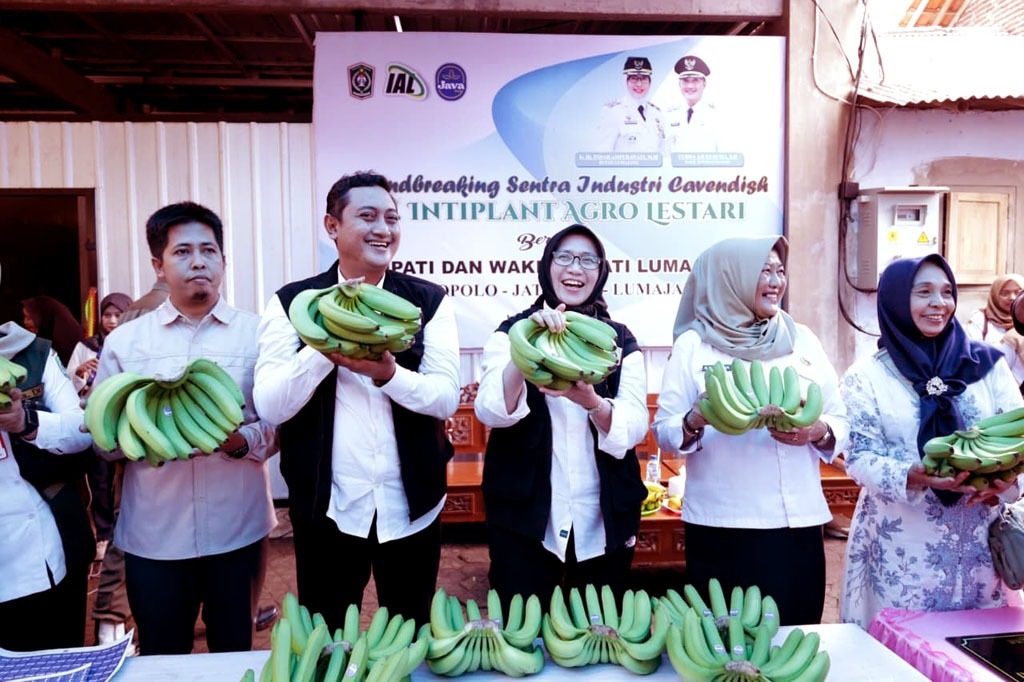
Lumajang targets Hong Kong and Malaysia
Cavendish banana producers in Indonesia’s Lumajang Regency are preparing to enter the Hong Kong and Malaysian markets under a partnership linking local farmers with companies involved in production and distribution. The Lumajang Regency Government announced on September 2, 2026, that bananas from the region were ready for export, according to Headline.co.id.
The planned shipments form part of a local effort to broaden international market access and strengthen the regional economy. Headline.co.id did not identify the participating companies or provide expected shipment volumes, export values, delivery schedules or the number of growers covered by the partnership. Those omissions leave the prospective commercial scale of the program unclear, even as the announcement establishes Hong Kong and Malaysia as its first named overseas destinations.
Both markets would extend the reach of Lumajang’s Cavendish supply beyond its current domestic footprint. Producers have already placed the fruit in 15 markets across East Java and Bali, Headline.co.id reported. That existing distribution base provides evidence of commercial activity, but international sales will expose growers and their commercial partners to additional requirements for consistent quality, handling and delivery.
Partnership focuses on quality and production
The farmer-company model is central to the development effort. According to Headline.co.id, cooperation between local growers and businesses responsible for production and distribution has helped improve both the quality and quantity of output, enabling the bananas to meet international export standards. The source did not specify the standards applied or describe certification, grading, packing or traceability arrangements.
For Cavendish bananas, consistency across the supply chain is particularly important because fruit must reach buyers in marketable condition. The report presents the partnership as a way to coordinate production and distribution rather than leaving farmers to manage overseas market access independently. Companies can connect farm output with commercial channels, while growers supply the agricultural base needed to build dependable volumes.
The regency government also expects the initiative to support employment in agriculture and distribution. The Lumajang regent said the partnership was increasing farmer incomes and creating new job opportunities, according to Headline.co.id. No income, employment or cultivated-area figures were included, so the size of those effects cannot yet be assessed.
Government support and export readiness
Local government support is expected to include farmer training and access to modern agricultural technology. The regent said the administration remained committed to those measures as part of an effort to improve the competitiveness of Lumajang products in global markets. The report did not provide details about the technologies, training budget, participating institutions or implementation timetable.
The initiative therefore remains at a market-development stage in the information made public. Declaring the fruit ready for export indicates progress on production and quality, but the transition to recurring trade will depend on converting prospective access into completed shipments and repeat orders. Confirmation of buyers, shipment frequency and accepted commercial specifications would provide a clearer measure of whether the program can move beyond initial consignments.
Hong Kong and Malaysia offer two distinct tests for the partnership’s export model. Successful deliveries would demonstrate that farmers, distributors and public agencies can coordinate the quality and logistics needed to serve markets outside Indonesia. They could also provide a reference point for approaching additional destinations, although Headline.co.id named no further overseas markets.
Commercial indicators remain undisclosed
The next phase will be defined by execution rather than announcements. Industry participants will be watching for the first confirmed shipment, the volume supplied, the identity and requirements of import buyers, and evidence of repeat business. Farm-level productivity, rejection rates and post-harvest performance would also help determine whether the partnership can expand without weakening quality.
For now, Lumajang’s experience in 15 East Java and Bali markets provides the operating foundation for its export ambitions. The proposed move into Hong Kong and Malaysia represents a broader market-access opportunity for the regency’s farmers and distribution businesses, but the absence of volume, price and timing data prevents a firm assessment of its prospective contribution to regional banana trade.