Lower-priced Australian beef could increase competition in Canada
Australian beef is being offered at Alberta grocery stores at prices well below comparable Canadian meat. The imports could increase retail competition and help limit further price pressure in Canada, although the available information does not disclose volumes, cuts or price levels.
Australian beef undercuts domestic prices
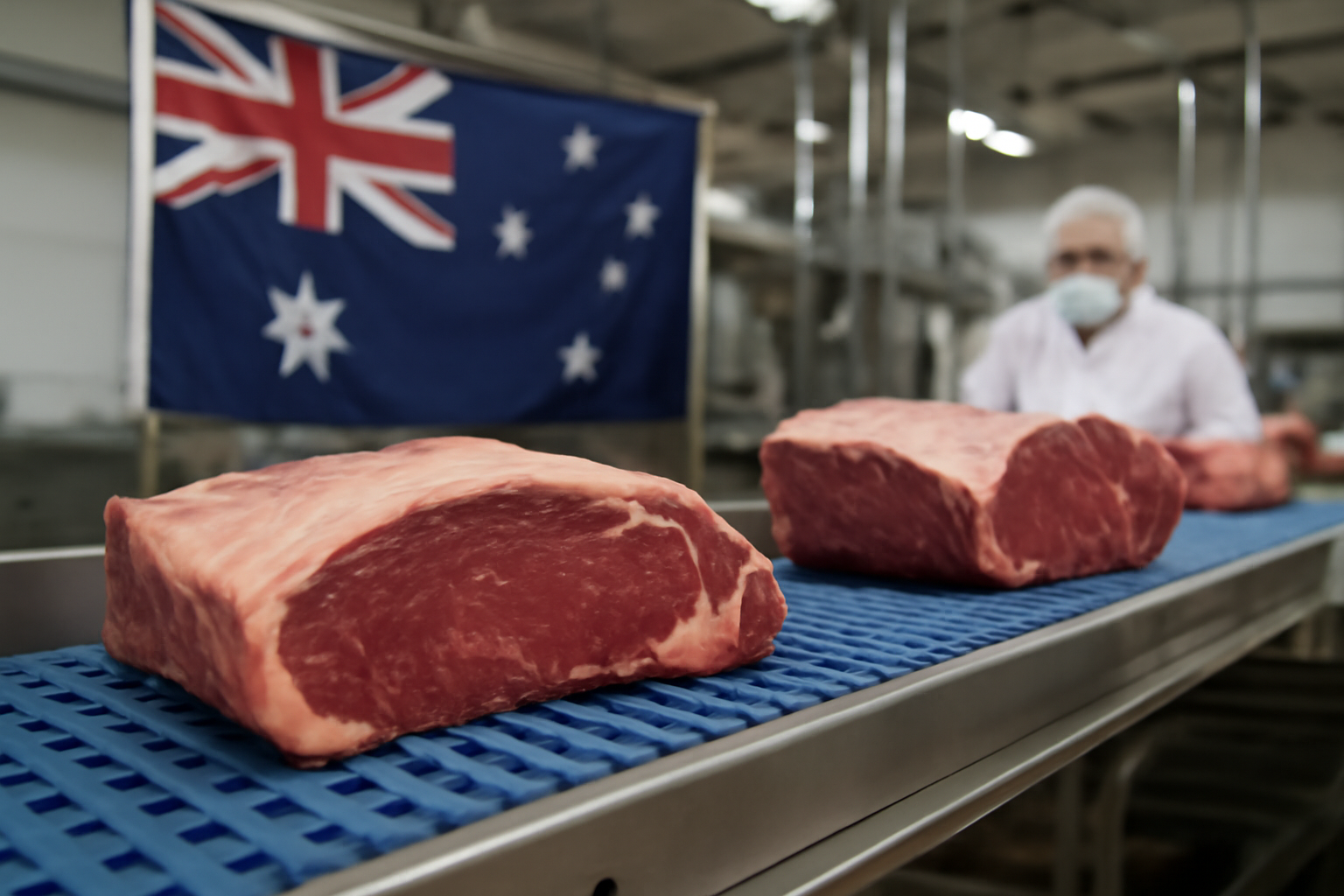
Imported Australian beef is being sold in grocery stores in Alberta at prices described as well below those of Canadian beef. The gap creates a visible alternative for consumers and puts competitive pressure on domestic meat at the retail level. No specific prices, shipment volumes, product cuts or participating retailers were provided, making it impossible to determine how broad the discount is across the Alberta market.
The immediate effect is likely to be strongest where imported and Canadian products are displayed as substitutes. A lower-priced offer can influence purchasing decisions even if imported supply accounts for only part of a retailer’s assortment. It can also give supermarkets more leverage when negotiating procurement terms. The eventual impact will depend on whether Australian beef remains available consistently and whether the price difference survives transport, processing and retail costs.
Competition could moderate meat costs
For Canadian consumers, the significance of the imports lies in price competition. Australian beef does not need to replace domestic production to affect the market: a credible lower-cost option can constrain how far retailers or suppliers raise prices. That could help stabilize meat costs, particularly if several grocery chains adopt similar sourcing strategies. The available information, however, does not establish that retail prices have already declined.
Canadian producers and processors face a different calculation. Sustained discounts on imported beef could pressure margins or encourage domestic suppliers to differentiate products by origin, quality, freshness or cut. Retailers may use imported supply selectively, focusing on categories where consumers are more sensitive to price. Without information about grades and specifications, direct comparisons between the Australian and Canadian products should be treated cautiously.
Scale and duration will determine the impact
The central unanswered question is scale. A limited promotion in Alberta would have less influence than regular supply distributed across multiple provinces. The duration of the price gap also matters. Temporary discounts can attract customers, but sustained competition requires dependable volumes and commercial terms that remain attractive after all supply-chain costs are included.
For importers and traders, the Alberta offers indicate that Australian beef can reach at least part of the Canadian retail market at a competitive price. For domestic suppliers, they provide a new benchmark against which grocery buyers can evaluate Canadian quotations. Market participants will need shipment data, product specifications and retail price tracking before concluding that imports are changing the national market. For now, the evidence points to stronger competition in Alberta and the possibility—not a confirmed outcome—of greater price stability for Canadian meat buyers.