Lower planting and drought raise fears of a European potato shortage
European potato supplies are under pressure after farmers reduced planting and drought and extreme heat damaged crops. Radio ZET reports record prices in France and Germany, while processors are struggling to secure suitable potatoes for fries and chips.
Reduced acreage compounds weather losses
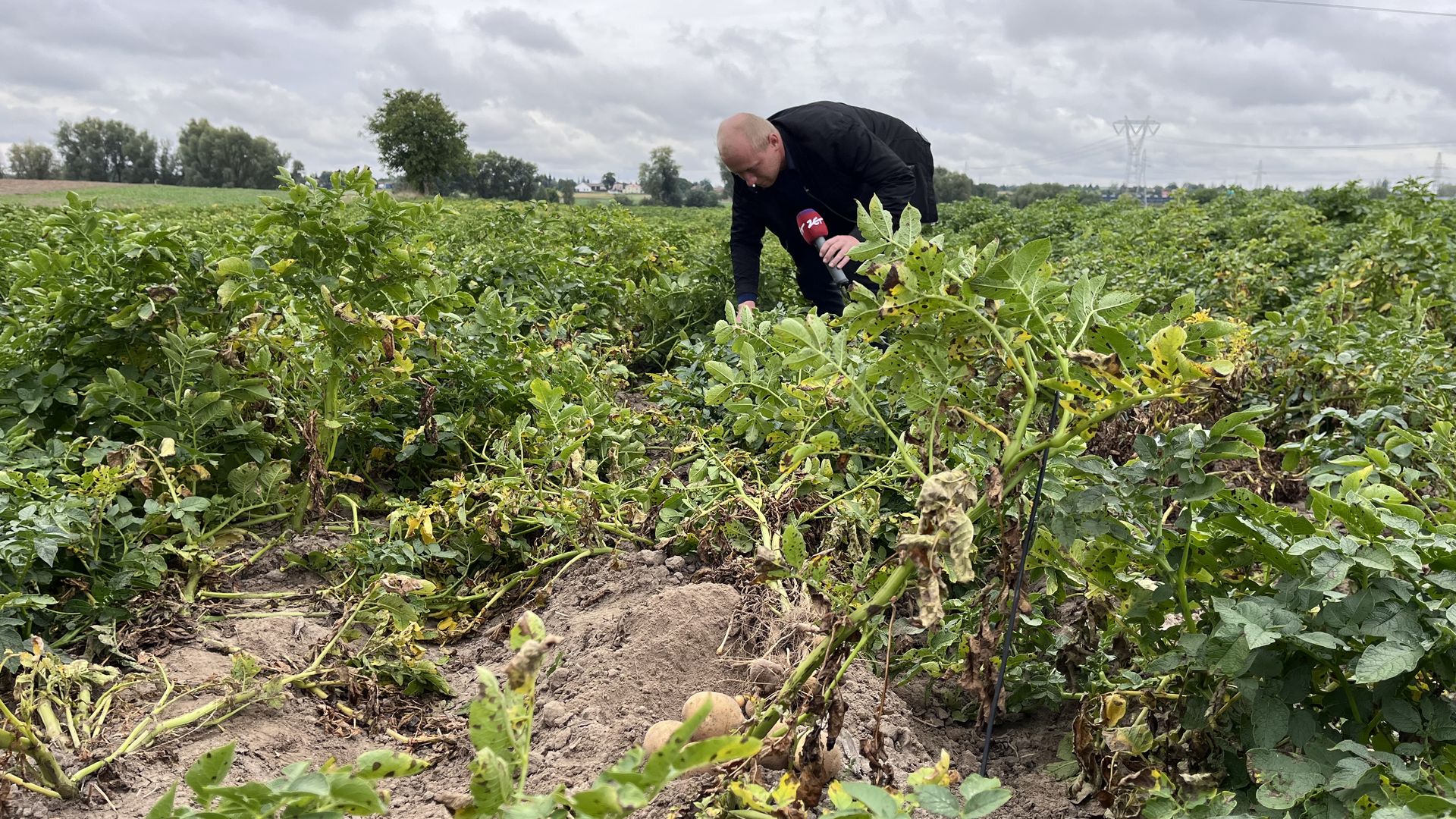
Europe faces the risk of its most serious potato shortage in years after lower planting coincided with drought and record temperatures. Radio ZET reports that farmers reduced acreage this season in response to last year’s overproduction, only for dry conditions and extreme heat to destroy a substantial share of the remaining crop. Prices in France and Germany are already reaching record levels, according to the publication.
The scale of the decline remains uncertain. Gustaw Jędrejek, a board member of Poland’s National Council of Agricultural Chambers, told Radio ZET that conditions were very poor in Western Europe and no better in Poland. He questioned whether official estimates fully reflected reported crop losses, noting that Poland’s Central Statistical Office showed only small differences from the previous year. In his assessment, the available information does not yet support a reliable forecast for either total supply or prices.
Processors compete for suitable potatoes
The pressure is particularly acute in the industrial segment. Fries and potato-chip manufacturers require tubers of consistent quality and appearance, narrowing the volume that can enter processing after a weather-damaged harvest. Jędrejek said industrial potatoes were now highly sought after and that their price had risen sharply. He added that, if the required product was unavailable, even a price of €300 would not solve the shortage, although the report did not specify the pricing basis for that figure.
Lower raw-material availability could affect processors, snack manufacturers, fast-food operators and restaurants. These buyers cannot necessarily replace contracted processing varieties with ordinary table potatoes because size, dry-matter content and physical condition influence industrial yields and product quality. A shortage of suitable potatoes therefore risks reducing plant utilization and raising procurement costs even where some lower-grade supply remains available.
Imports emerge as an option
Radio ZET reports that traders and supermarket chains may consider supplies from outside Europe, including South America and South Africa. Jędrejek cautioned that production practices in South Africa could differ from European standards and alleged that chemicals prohibited in Europe were used there. The report provided no independent evidence about particular consignments, so any imports would need to meet the applicable European food-safety and plant-health requirements.
Conditions also differ within Poland. Kamil Gągoł, a farmer near Lublin producing table and industrial potatoes for starch, estimated that his output would be 20-30% lower than last year. At the same time, he said the price he receives was drastically lower and that he would earn less than in previous years. That contrasts with reports of record prices in France and Germany and rising prices for processing-grade potatoes, highlighting differences between locations, varieties and points in the supply chain. Gągoł expects consumer price increases to become more visible at the beginning of next year and warned that shortages could make potato-based restaurant dishes considerably more expensive.