Low prices and Mercosur imports squeeze Spain’s rice sector
Spanish rice growers and processors are under pressure from high costs, low retail prices and rising imports. The first EU-Mercosur duty-free quota was exhausted within weeks, while Spain imported 400,000 tonnes of rice in 2025.
Retail prices deepen pressure on the rice chain
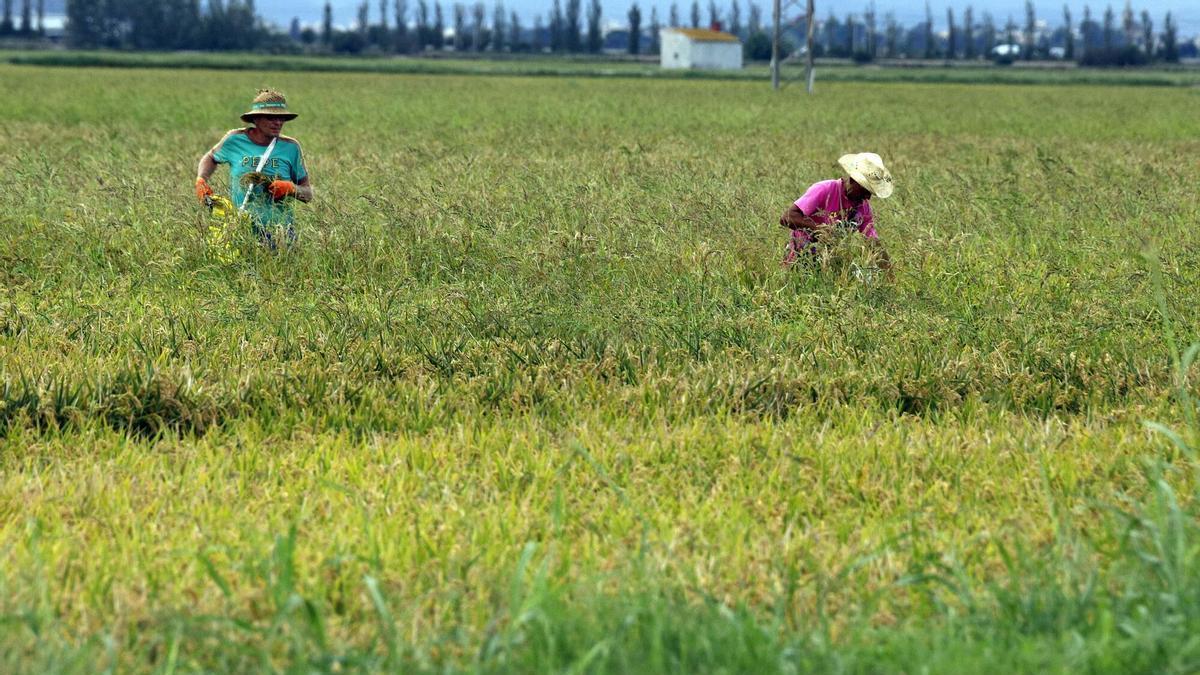
Spain’s rice sector is facing one of its most difficult campaigns in recent years as depressed market prices compound high production costs, climate uncertainty, regulatory pressure and growing imports. Levante-EMV reports that some retail chains are offering rice at €0.33 per kilogram during the summer of 2026, prompting growers in Valencia to warn that such pricing is destroying value across the supply chain.
The Spanish Rice Industries Association, Uniade, together with Asaja, AVA-Asaja, Unió Llauradora and Unión de Uniones, says packaged rice is being used as a promotional loss leader at prices that do not reflect the cost of production, processing, packaging and distribution. The groups argue that these promotions weaken consumers’ perception of the product and shift pressure onto both farmers and processors.
The organisations are asking public authorities to monitor promotions more firmly under Spain’s Food Chain Law, whose purpose includes preventing the destruction of value and ensuring that each participant can cover its effective costs. They also called on retailers to act responsibly. According to their joint statement, expenses are rising across water, energy, fertiliser, labour, packaging, logistics, processing, food safety and environmental compliance.
Mercosur quota fills within weeks
Import competition has become an additional concern. Unió Llauradora recently reported a shipment of more than 17,000 tonnes of Argentine rice entering through the port of Valencia for Herba Ricemills, part of Ebro Foods Group. Argentina belongs to Mercosur, whose trade agreement with the European Union began provisional application on May 1.
The agreement provides a duty-free rice quota that will rise progressively to 60,000 tonnes a year. The smaller volume available for 2026 was exhausted within weeks, indicating strong interest among Mercosur exporters in supplying the EU market. Fernando Durà, a rice grower and member of Unió’s executive committee, warned that pressure could increase substantially as the annual quota moves towards its final level.
Spain imported 400,000 tonnes of rice in 2025, according to figures cited by Levante-EMV. Argentina was the largest supplier, accounting for almost 89,000 tonnes. Spanish producers also face shipments from Southeast Asia and other South American countries, widening competition at a time when the domestic sector reports historically weak harvests and poor profitability.
Growers demand safeguards and origin labels
Unió is proposing quarterly monitoring of imports and rapid activation of safeguard clauses if the market is disrupted. It also wants stricter checks on production, phytosanitary and environmental reciprocity, arguing that imported rice may be produced under rules different from those applied in the EU. The organisation has asked Spain’s Agriculture Ministry to increase port inspections for unauthorised plant-protection substances, including tricyclazole, and for fungal toxins.
Labelling is another point of dispute. Unió says some imported rice is packaged in the Valencia region without clearly identifying its country of origin, while local distributor details and regional imagery may create an impression that the product is Valencian. It is calling for rice to be added to the EU list of foods for which origin labelling is mandatory.
The dispute affects more than farm income. Industry groups describe rice as a strategic Spanish crop and one of the few viable agricultural options in certain producing areas, where paddies also help maintain valuable ecosystems. For growers, cooperatives and processors, the immediate issue is whether retail prices and import conditions allow the chain to cover its costs while continuing to meet EU requirements for quality, traceability, food safety and environmental performance.