Low pig prices and Chinese restrictions push more German farmers toward exit
German pig producers face a combination of prices as low as €1.45 per kilogram, animal-disease disruption in Spain and Chinese trade restrictions. Handelsblatt profiles a 3,800-pig family farm whose prospective successor needs outside employment because the operation cannot support her livelihood.
Global pressures reach German farms
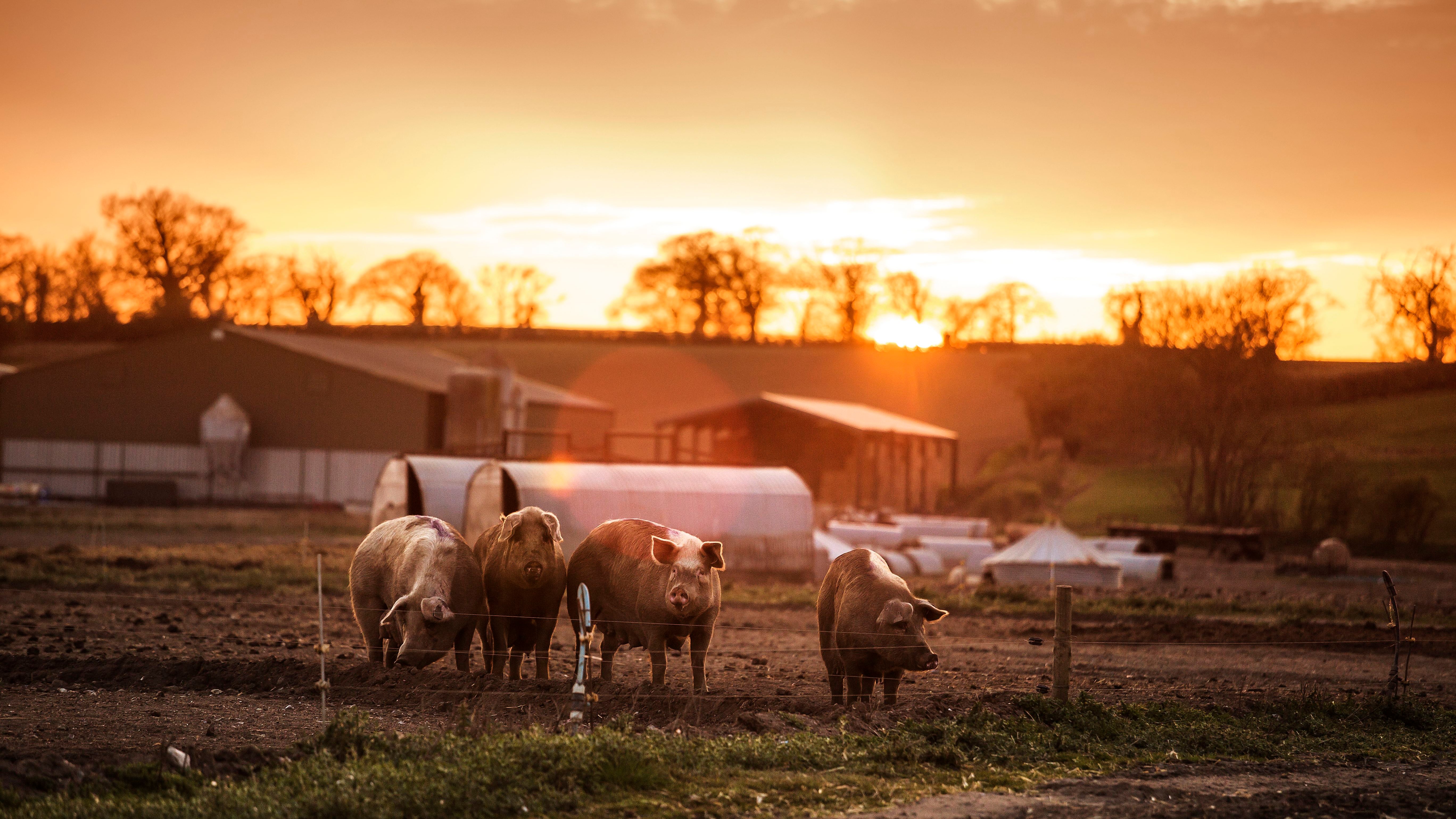
Germany’s pig-farming base is contracting as weak prices, animal-disease disruptions and restrictions on sales to China place additional pressure on producers. Handelsblatt reports that pigs are fetching only €1.45 per kilogram, a level that turns volatility in the global pork market into an immediate question of survival for family farms.
The pressure is not coming from a single source. An outbreak of African swine fever in Spain has disrupted the European market, while China’s suspension of deliveries has reduced access to a major overseas destination. For German farmers, these developments add external shocks to an already difficult operating environment.
Restrictions affecting China matter beyond the exporters directly serving that market. When pork cannot reach an important buyer, more supply remains available elsewhere, increasing competition among producers and processors. Disease-related disruptions in another large European producing country can also alter livestock movements, slaughter demand and regional pricing.
A 3,800-pig farm under strain
Handelsblatt illustrates the pressure through the case of Annika Thier, a 28-year-old farmer in Rosenberg, Baden-Württemberg. She has worked for seven years on her father’s farm, which keeps 3,800 pigs and operates 120 hectares of land. Thier wants to take over the business despite its financial constraints.
During those seven years, she has not paid herself a salary and has not taken a holiday, according to the newspaper. The farm alone cannot finance her living costs. She therefore works mornings at the state pig-breeding institute in nearby Boxberg before returning to the holding and preparing its barns for incoming piglets.
The workload shows why succession is becoming difficult even on an established farm with thousands of animals and a substantial land base. A prospective successor must combine outside employment with daily livestock duties, while remaining exposed to prices determined partly by events in other European countries and distant export markets.
Succession becomes a market issue
For producers, a price of €1.45 per kilogram limits the funds available for wages, maintenance and future investment. Farms still need to receive piglets, prepare housing and care for animals regardless of the market price. When the operation cannot provide an income for the next generation, the incentive to continue weakens.
The implications extend to processors and other businesses serving livestock farms. A continued decline in the number of pig farmers would concentrate production among fewer holdings and reduce the customer base for breeders, transport companies and farm suppliers. Slaughterhouses could also face changes in the volume and geographical distribution of available animals.
Thier’s plan to take over the family holding shows that willingness to continue farming has not disappeared. The central constraint is whether pig production can generate a dependable livelihood. With low prices, disease shocks and Chinese restrictions converging, German farms are being asked to absorb risks originating far beyond their own barns.