Low hog prices squeeze Mato Grosso pig farmers despite rising output
Pig farmers in the Brazilian state of Mato Grosso are seeing margins erode as low hog prices meet high production costs. According to Mutum Notícias, the strain persists even as the state's production and exports continue to grow.
Prices fall as costs stay high
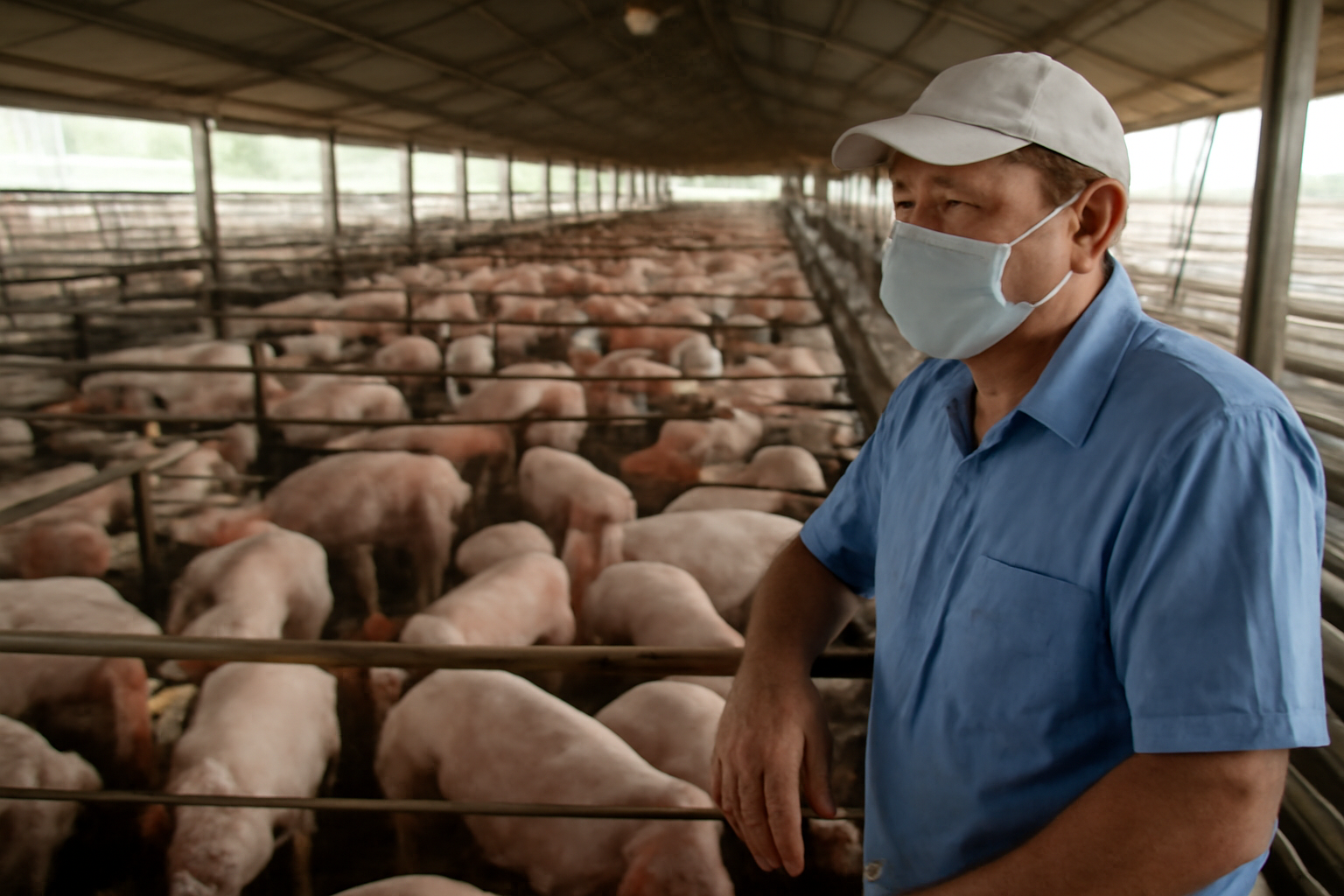
Pig producers in Mato Grosso are being squeezed by low hog prices and elevated production costs, a combination that is eroding margins even as the state raises output and ships more pork abroad, according to the regional outlet Mutum Notícias.
The pressure reflects a familiar bind in livestock farming: producers can lift volumes, but weak farmgate prices leave little room to cover the cost of feed, labour and animal health. When the price a farmer receives per animal falls below the cost of raising it, higher production does not translate into higher earnings.
Feed costs at the centre
Mato Grosso is one of Brazil's leading grain-producing states, and its pig sector sits alongside vast corn and soybean output. That proximity to feed supply is usually an advantage for hog farmers, since corn and soybean meal make up the bulk of a pig's diet. But when grain has strong alternative markets, including exports and ethanol production, local feed can still command high prices, lifting costs for animal producers even in a grain-rich region.
Mutum Notícias ties the current strain specifically to the mix of falling prices and high costs, rather than to any shortage of animals. Production is growing, which points to margin compression rather than a supply crisis.
Growth that does not reach the farm
Expanding exports typically benefit the wider pork chain, but the value does not always reach the farm gate. Processors and exporters can capture the upside of stronger foreign demand, while independent farmers remain exposed to spot prices and input costs. That gap helps explain how a state can post growing production and exports while its pig farmers report thinner returns.
Prolonged margin pressure tends to fall hardest on smaller and independent producers, who have less capacity to absorb losses or hedge feed costs than large integrated operations. If low prices persist, the risk is that weaker producers cut herds or exit, gradually concentrating the sector even as headline output rises.
What to watch
The key variables for Mato Grosso's hog farmers are the direction of corn and soybean prices, which set feed costs, and the recovery of hog prices, which depends on domestic demand and export flows. Until one moves in producers' favour, the current squeeze on margins is likely to persist.