Low Danube water levels restrict Serbia’s fuel imports as NIS refinery becomes critical
Serbia completed only about 25% of its planned July oil-product imports as low Danube water levels limited barge loads to 30–40% of capacity. The government says regular operation of NIS’s sanctioned Pančevo refinery is essential while demand, prices and import costs remain high.
July imports fall far behind plan
Serbia has completed only about 25% of its planned oil-product imports for July as exceptionally low water levels on the Danube restrict river transport, according to SEEbiz. Barges are carrying only 30–40% of their total capacity, sharply reducing the volume of fuel that can reach the country through one of its main logistics corridors.
Alternative deliveries by road and rail cannot replace all the missing river volumes, Serbian Mining and Energy Minister Dubravka Đedović Handanović said after discussing market supply with Tomislav Mićović, secretary-general of the Association of Oil Companies of Serbia. These transport modes are also more expensive, adding pressure to fuel prices that the minister described as already exceptionally high.
Seasonal demand compounds the logistics squeeze
The disruption comes during a seasonal peak in Serbian fuel consumption. Đedović Handanović said demand had increased as it normally does at this time of year, while the wholesale market was facing additional pressure from continuously rising market prices. She linked those increases primarily to global conflicts.
The Serbian government has responded by reducing excise duties by 20% in an effort to stabilize the market. Even so, higher consumption and constrained imports have substantially reduced the inventories held by oil companies that also operate as wholesalers. The combination leaves the market with less commercial flexibility if Danube conditions remain unfavorable or alternative transport encounters further bottlenecks.
Pančevo refinery takes on a central role
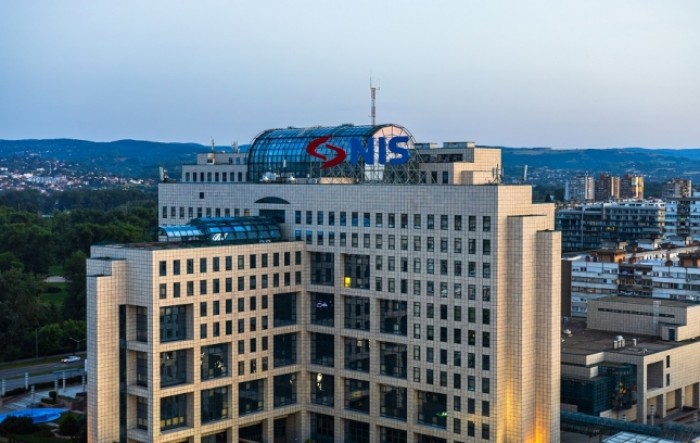
The supply difficulties have increased the importance of the Pančevo refinery, owned by Naftna Industrija Srbije, or NIS. The company is under US sanctions because of its majority Russian ownership. Đedović Handanović said the current disruption demonstrates that the refinery is essential to maintaining regular supplies of petroleum products in Serbia.
The minister argued that an extension of NIS’s operating license would allow the Pančevo facility to maximize crude processing and petroleum-product output. Higher domestic production could compensate for part of the import shortfall created by low river levels, high international prices and elevated logistics costs. Regular refinery operation would also reduce the need to use emergency inventories for routine market supply.
State reserves provide a buffer, not a replacement
Serbia holds 269,000 tonnes of diesel in state reserves, with additional quantities on the way, according to the minister. She said the country’s domestic reserves had doubled over the past three years and were continuing to increase. However, the government views those stocks as an emergency solution rather than a substitute for normal refinery production and commercial imports.
If the United States does not extend the license for NIS, Đedović Handanović said supply would depend on state reserves at a time when imports are severely restricted, Danube levels are very low and consumption is at its peak. An extension would enable the refinery to operate at maximum capacity and supply the Serbian market regularly. The minister added that continued operations would also support wider regional supply security, as the same disruptions are affecting other countries.