Long dry season drives rice prices to Rp900,000 per sack in Gorontalo
Rice prices at Gorontalo City’s Central Market have risen from about Rp650,000 to Rp800,000-Rp900,000 per 50-kilogram sack. VIVA attributes the increase to crop failures and reduced supplies following a dry season that began in March 2026.
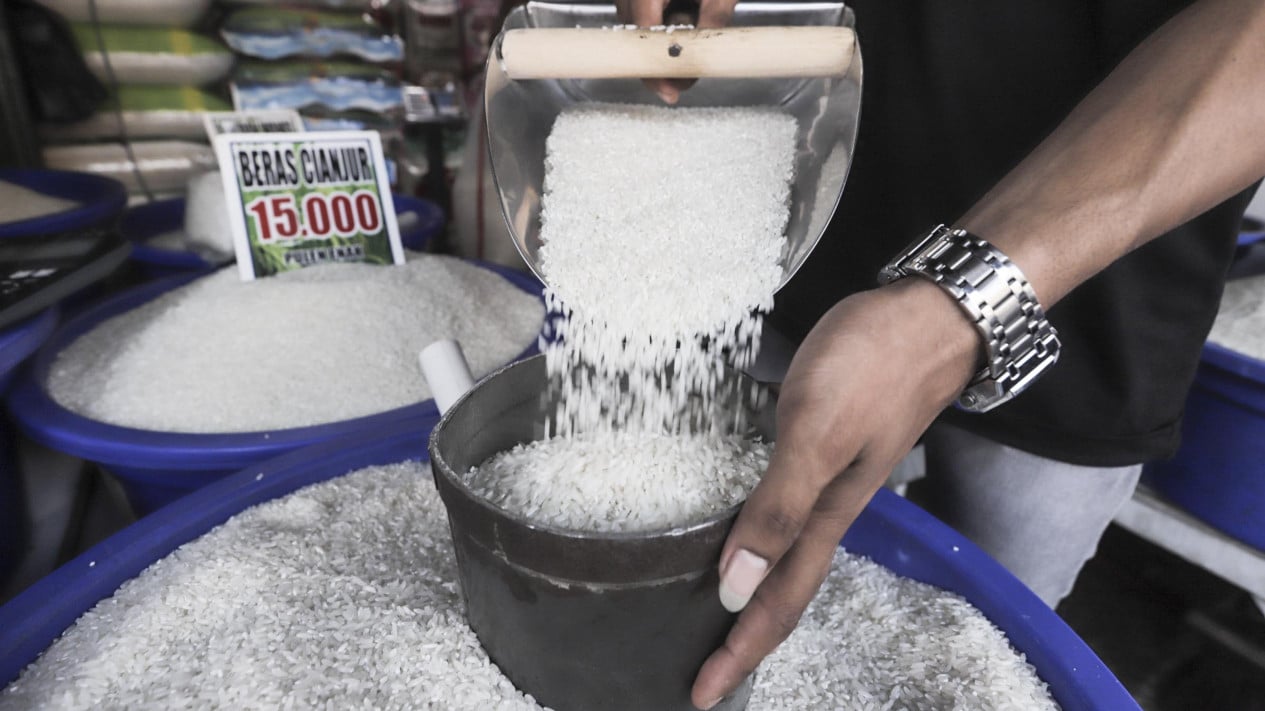
Crop failures tighten rice availability
An extended dry season that began in March 2026 has caused crop failures in several Indonesian rice-producing areas, reducing supplies and pushing prices sharply higher at the Central Market in Gorontalo City, Gorontalo Province. The disruption is affecting both the availability of stocks for traders and household spending on Indonesia’s main staple food.
VIVA reported that rice previously sold for about Rp650,000 per 50-kilogram sack at the market. Prices have since climbed to between Rp800,000 and Rp900,000 per sack, depending on the variety and quality. At the upper end, that represents an increase of Rp250,000 per sack compared with the earlier price.
Hasna, a rice trader at the Central Market, said prices had increased significantly over the past several months. She linked the rise to falling deliveries from producing regions affected by the dry weather. The increase emerged gradually as harvest volumes from the market’s regular suppliers became increasingly limited.
Traders seek supplies outside traditional producing areas
Another trader, Anton, said most of the rice sold at the Gorontalo market normally comes from Tolai in Central Sulawesi Province. Crop failures have reduced production in that area, forcing merchants to seek rice from other regions to keep enough stock available for local customers.
Sourcing outside the established supply area raises procurement and distribution costs. Traders must arrange deliveries over different routes and obtain stocks from alternative producers at a time when harvest availability is already constrained. According to Anton, these additional costs are also feeding into retail prices.
The supply shortage has made it difficult for merchants to obtain rice in sufficient quantities to meet the market’s needs. The situation illustrates how production losses in a key supplying district can quickly affect prices in another province, particularly when traders must replace missing volumes through longer or more expensive distribution channels.
Stable demand increases pressure on household budgets
Demand has remained relatively stable despite the higher prices, according to Anton. Rice is a basic necessity, leaving consumers with limited scope to reduce purchases beyond adjusting quantities or cutting other expenses. This makes the market less responsive to price increases than markets for non-essential products.
Aldi Hapili, a customer living in rented student accommodation, told VIVA that the price increase was putting pressure on his daily expenses. He said he still had to buy rice but was reorganizing his budget and spending more carefully to cover essential food needs.
The immediate market outlook will depend on the availability of harvests in Tolai and other producing areas able to supply Gorontalo. Until regular production recovers, traders are likely to remain dependent on alternative sourcing, while households face prices of as much as Rp900,000 for a 50-kilogram sack. The episode highlights the exposure of local rice markets to weather-related crop losses and the added cost of replacing disrupted regional supplies.