Higher logistics and input costs lift Russian fruit and vegetable prices by 39%
Fruit and vegetable prices in Russia increased by an average of 39% over the year, Pravda.ru reports. Higher spending on seeds, fertilizer, fuel and delivery has weakened the price competitiveness of produce shipped from other Russian regions and CIS countries.
Average prices rise by 39%
Fruit and vegetable prices in Russia increased by an average of 39% over the year, according to Pravda.ru. The rise kept the overall cost of this part of the food basket elevated even as some seasonal products became cheaper toward the end of the season.
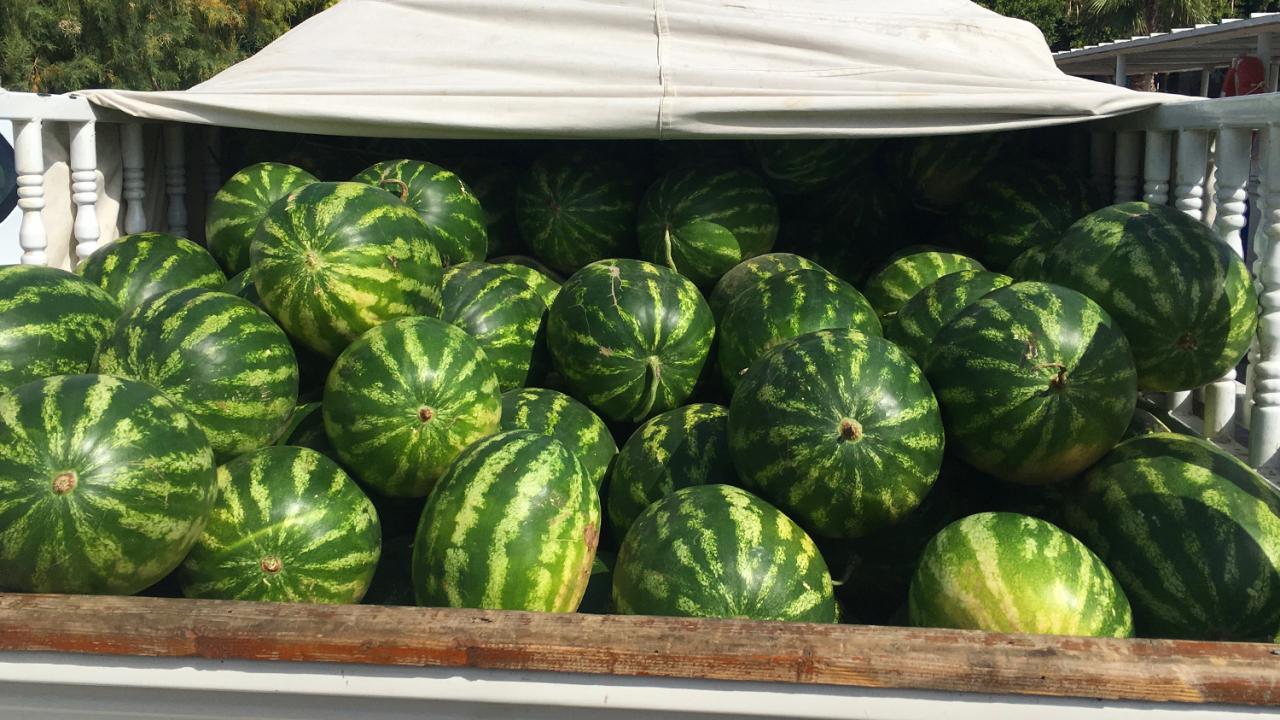
Watermelon and melon prices declined by 10-15% near the end of the season. That reduction was not sufficient to reverse the broader increase across the category, showing that seasonal supply improvements affected individual products more than the overall market.
Weather and production inputs raise costs
Pravda.ru attributed the price increase partly to weather anomalies and partly to more expensive production resources. Farmers paid more for seeds, fertilizer and fuel, directly raising the cost of producing and harvesting fruit and vegetables.
These pressures affect producers before goods reach wholesale and retail channels. Higher input expenditure narrows the room available to absorb transport expenses or offer lower prices, while weather-related disruption can add uncertainty to yields and the timing of seasonal supply.
Transport costs weaken shipped produce
Logistics added another layer of pressure. Delivery from other Russian regions and from countries in the Commonwealth of Independent States became more expensive, according to Pravda.ru, making shipped produce less competitive on price. The report therefore points to stronger price conditions for local goods when they can reach consumers with a shorter and less costly supply chain.
The change does not mean that imported or interregional produce disappears from the market. Russia’s climate and seasonal production cycles still determine when particular fruits and vegetables are available locally. However, higher freight costs increase the price disadvantage for suppliers that must move perishable goods over longer distances, particularly when domestic alternatives are in season.
Food inflation expected to persist
Watermelon and melon prices could fall next year if weather conditions are favorable, Pravda.ru reported. That outlook remains conditional because weather was among the factors behind the latest increase. A better harvest could improve seasonal supply and reduce prices for these products without necessarily lowering costs across the entire fruit and vegetable category.
The publication expects the broader trend of rising food prices to continue. For farmers, traders and retailers, the key variables will remain crop conditions, spending on seeds, fertilizer and fuel, and the cost of moving produce between regions and across CIS supply routes. Local producers may gain a pricing advantage where shorter delivery distances offset some of the industry’s higher production costs.