Logistics bottlenecks stall Moldova’s wheat and barley market
Moldova’s grain market was largely frozen in mid-August as logistical problems constrained trading in wheat and barley. Farmers were also holding back supplies while waiting for more favorable prices.
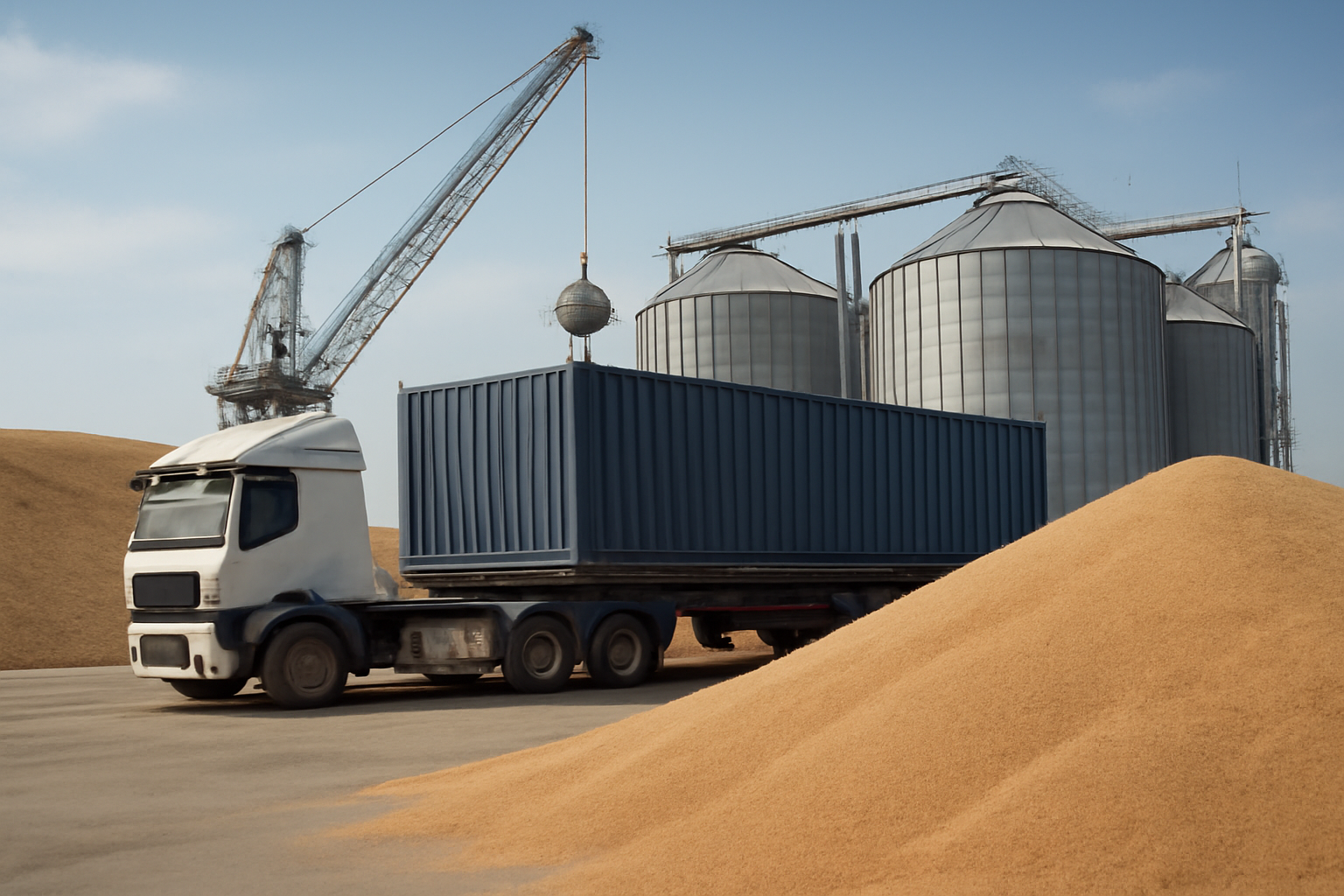
Trading activity freezes in mid-August
Moldova’s grain market was largely blocked in mid-August, with logistical problems emerging as the main obstacle to transactions, according to noi.md. The disruption affected trading in wheat and barley, while farmers’ reluctance to accept prevailing prices further reduced the volume of grain available to buyers.
The situation reflects two constraints operating at the same time. Grain cannot move efficiently through the market when logistics are disrupted, even where potential buyers and sellers are present. At the same time, farmers waiting for higher prices have little incentive to release stocks, limiting the number of transactions that can be completed under current conditions.
Farmers hold grain while awaiting better prices
Producers are effectively choosing storage over immediate sales because they consider current wheat and barley prices insufficiently attractive. That decision may help individual farms avoid selling at levels they regard as unfavorable, but widespread withholding also reduces liquidity across the domestic market. Traders and processors have fewer offers to evaluate, while price discovery becomes more difficult when actual deals are scarce.
The farmers’ strategy depends on whether prices improve enough to offset the costs and risks associated with holding grain. The available source material does not provide current price levels, storage costs or sales volumes, making it impossible to quantify the commercial impact. It nevertheless indicates that sellers are prepared to wait, rather than clear inventories under the terms currently offered by the market.
Logistics remains the immediate constraint
Logistical bottlenecks create a separate problem from the disagreement over price. Even farmers willing to sell need workable transport and handling arrangements before grain can reach traders, processors or other customers. When those arrangements are unreliable or constrained, buyers face uncertainty over delivery and sellers face uncertainty over when stocks can leave storage.
For Moldova’s grain sector, the combination of limited physical movement and reduced willingness to sell can reinforce the slowdown. A logistics improvement alone could allow more grain to move, but it would not necessarily unlock supplies if farmers continue to reject available prices. Conversely, stronger prices may attract additional offers without fully restoring trade if transport constraints persist.
Market participants wait for an opening
The immediate outlook therefore depends on progress on both sides of the blockage. Logistics must become sufficiently reliable for transactions to be executed, while the difference between sellers’ expectations and buyers’ offers must narrow. Until then, producers can be expected to protect their bargaining position, and traders will have limited scope to assemble grain from a market with few active sellers.
The freeze also reduces the quality of market signals. With fewer completed transactions, quoted prices may provide less information about levels at which meaningful volumes can actually change hands. Producers, traders and processors will consequently watch both physical grain movements and the willingness of farmers to return to the market for evidence that activity is resuming.