Local poultry output projected to accelerate after July reaches 3.35 million kilograms
Local poultry production is projected to increase significantly in August after farmers produced roughly 3.35 million kilograms of meat in July. Higher output could strengthen domestic supply and reduce near-term import requirements, although no August volume forecast has been disclosed.
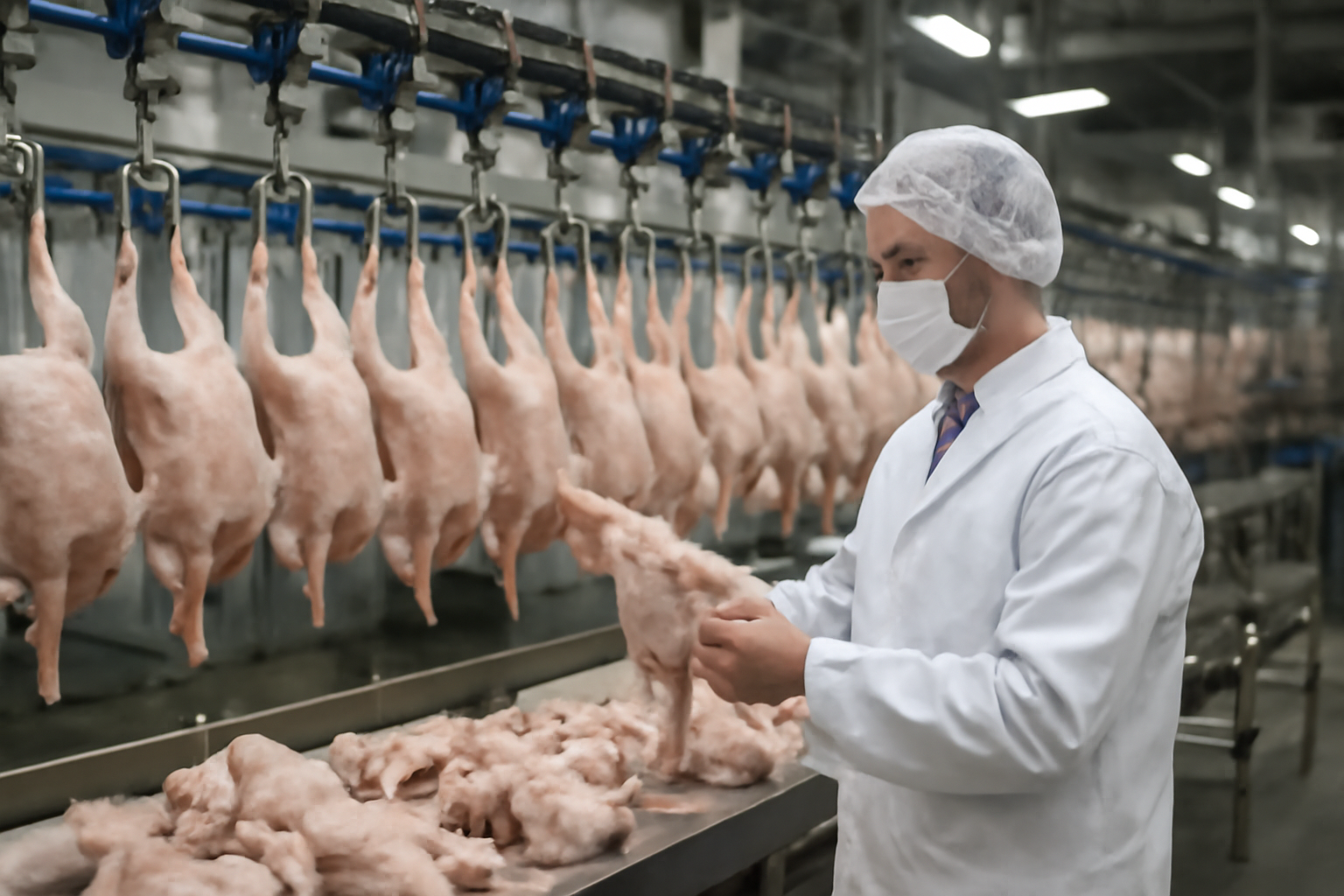
Production expected to gain momentum
Local poultry production is projected to increase significantly in August after a strong performance in July, when farmers produced roughly 3.35 million kilograms of meat. The available information does not provide a specific August volume target, making the expected scale of the increase difficult to quantify.
The July result provides the principal benchmark for producers, processors and buyers assessing the market’s short-term supply position. If the projected acceleration materializes, more locally produced poultry meat should become available to processors, wholesalers and retailers during the month. The effect on market balances will depend on whether demand rises at a similar pace.
No comparison with June, the previous July or an annual production target was provided. It is therefore not possible to determine from the available figures whether the July volume represents seasonal growth, a recovery from weaker output or a sustained expansion in domestic poultry capacity.
Domestic supply could become more secure
For the domestic meat market, higher poultry production would improve product availability and give buyers a larger local supply base. Poultry is sensitive to the timing of farm output and processing activity, so a meaningful monthly increase could affect procurement decisions across slaughtering, processing and distribution.
Processors may benefit from greater access to locally raised birds, particularly if the increase is sustained rather than concentrated in a short production window. Retailers and food-service buyers could also gain more flexibility in sourcing. However, the available material contains no information on farm-gate prices, wholesale prices, production costs, bird numbers or processing capacity.
Those missing indicators are important for judging whether higher output will translate into lower prices or improved margins. A production increase can expand supply without necessarily reducing prices when feed, energy, transport or processing costs remain elevated. No cost data were included in the source material, so the price impact cannot yet be assessed.
Import requirements remain the key trade question
A stronger domestic production month could reduce the need for imported poultry meat, but the size of any change will depend on consumption, inventories and existing purchase commitments. The available information does not identify current import volumes, supplying countries or the share of demand covered by local farms.
Importers will therefore need to compare actual August deliveries from domestic producers with customer demand before adjusting procurement. If local output rises faster than consumption, buyers may have less need for additional foreign supply. If demand is also expanding, imports could remain necessary despite the projected production increase.
Export implications cannot be established from the information provided. No export volumes, destination markets or surplus projections were disclosed. For now, the July output of roughly 3.35 million kilograms remains the clearest measure of local supply, while the actual August result will determine whether the anticipated surge materially changes the poultry market balance.