Lithuanian spot biofuel prices rise 65% ahead of heating season
Lithuania’s wood-chip spot price index has reached €30.12/MWh, up 65% from €18.34/MWh a year earlier. Supply is expected to remain adequate, but higher fuel costs and competition from wood processors point to more expensive district heating.
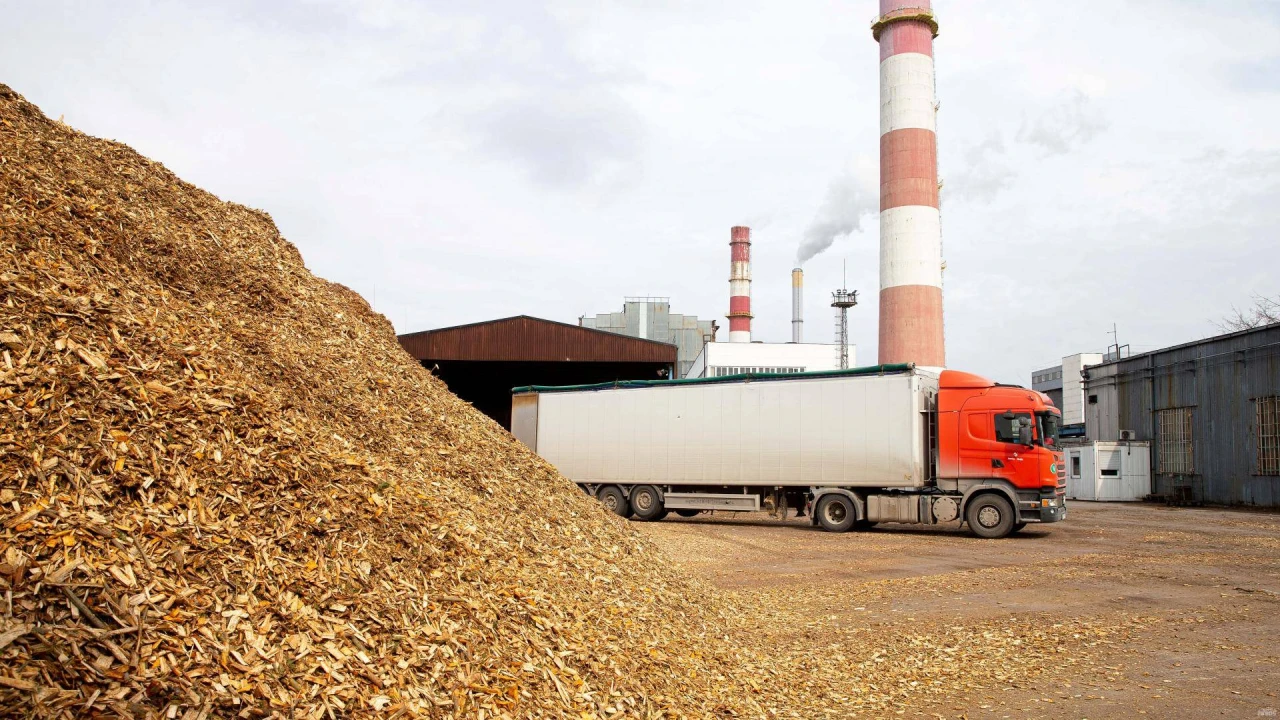
Spot index reaches €30.12/MWh
Lithuanian biofuel prices have risen sharply ahead of the heating season, increasing the cost pressure on a district-heating system that depends heavily on biomass. According to Verslo žinios, current spot transaction prices are 60–70% higher than in September last year, even though market participants do not expect the country to face a physical shortage of biofuel.
The Baltpool biofuel exchange’s spot price index for wood chips currently averages €30.12/MWh. At the same point last year, the index stood at €18.34/MWh, making the year-on-year increase 65%. The difference of €11.78/MWh gives heating suppliers a substantially higher fuel-cost base as seasonal demand approaches its peak.
Winter contracts are being concluded at valuations considerably above the current average, Valdas Lukoševičius, head of the Lithuanian District Heating Association, told Verslo žinios. The source did not provide specific prices for those contracts, but the premium indicates that buyers are preparing for continued pressure during the colder months rather than treating the spot increase as a brief fluctuation.
District heating faces direct exposure
The price movement matters because 90% of Lithuania’s centrally supplied heat is generated from biofuel, according to Lukoševičius. That share also includes waste burned at power plants. With such a high dependence on these fuels, changes in wood-chip prices can feed directly into the operating costs of heat suppliers and ultimately into heating bills.
The market tension is not being driven solely by the availability of material. Verslo žinios reports that demand from wood processors is also helping to determine the price. Competition between energy producers and processors for woody raw material can keep procurement costs elevated even when overall biofuel volumes are sufficient to cover the heating season.
For district-heating companies, the immediate challenge is therefore price rather than supply security. Spot purchases are already much more expensive than a year ago, while winter contracts point to an additional premium. Wood processors, meanwhile, remain competing buyers in the same raw-material market. Producers and traders may benefit from firmer prices, but heating suppliers have limited room to avoid the increase when biofuel accounts for most centrally generated heat. The available figures suggest Lithuania should have enough fuel, yet consumers are entering the heating season with a higher cost base embedded in the supply chain.