Lithuania faces heating cost rise as biofuel and European gas prices climb
Lithuanian district heating suppliers warn that bills could rise by 25% or more in the coming heating season. Biofuel products are already about 40% more expensive than last summer, while European gas prices have nearly doubled from a year ago amid low storage levels and tensions around the Strait of Hormuz.
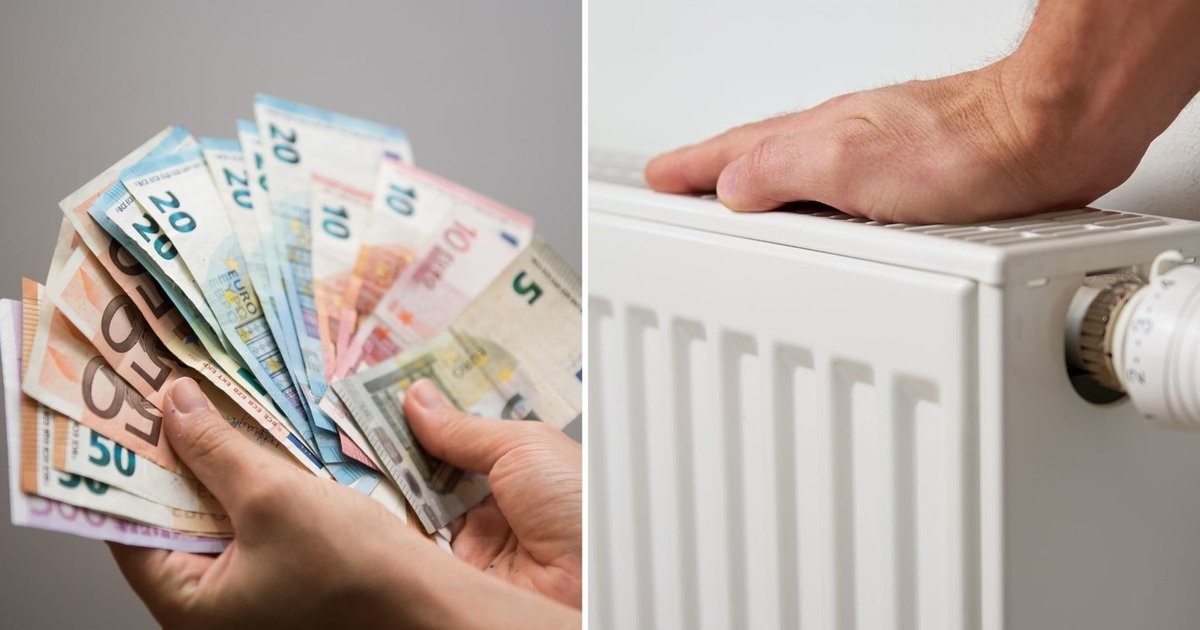
Heating suppliers warn of a 25% increase
Lithuanian households may pay 25% more, or potentially an even larger increase, for heating in the coming season, according to TV3.lt. The warning from the country’s district heating industry comes as European natural gas prices rise and Lithuania’s biofuel market tightens ahead of winter.
Valdas Lukoševičius, president of the Lithuanian District Heating Association, said a representative municipal heating price of 8 euro cents could rise by 25%. The difference may appear manageable while consumption is low, but it will become more visible when households receive bills covering heavy winter energy use.
Biofuel prices are about 40% above last summer
Producers are working at high capacity as heating companies and households secure fuel for the season. Demand for wood pellets, briquettes and firewood is strong, while prices are about 40% higher than in the same period last year. Vaidotas Jonutis, head of trading at Baltpool, told TV3.lt that pellets, briquettes and municipal biofuel use the same raw material, meaning the increase is likely to reach household buyers as well.
Agnė Bagočiutė, director of the Lithuanian Energy Agency, said prices have begun rising as preparations for the heating season accelerate. She also pointed to fuel costs, which are higher than a year ago. The combination raises costs across forestry supply, processing and transport, affecting both centralized heat producers and consumers using solid fuel directly.
Lithuanian biofuel suppliers are also adjusting prices in response to the European gas market. Natural gas costs nearly twice as much as a year earlier, according to TV3.lt. More expensive gas improves the competitive position of alternative heating fuels, but it can simultaneously pull biofuel prices upward when utilities and consumers seek substitutes.
Hormuz risks meet low European gas inventories
Citadele economist Aleksandras Izgorodinas said the conflict involving Iran is affecting Europe more through gas than oil. Europe ended the previous heating season with low gas inventories, leaving the market more exposed while it needs to replenish storage. Prices now include a risk premium linked to the escalating conflict, damage to infrastructure in Qatar and renewed disruption to vessel movements.
Oil has approached $100 per barrel, adding another source of pressure through diesel and logistics costs. Izgorodinas urged the government to consider temporarily reducing diesel excise duty and restoring a preferential value-added tax rate for district heating during the next season. Without relief, he said, heating costs could substantially restrict household purchasing power.
Government examines supply measures
Energy Minister Lukas Savickas has begun discussions with heating suppliers but has not committed to restoring the VAT concession. He said the government was examining how to secure greater biofuel supply and would first assess other measures before returning to options available if broader solutions fail.
Heating suppliers want the government to press the State Forest Enterprise to offer more biofuel at a lower price. They argue that additional supply could reduce prices across Lithuania and limit the increase in heating bills. The outcome will matter to forestry operators, fuel processors, municipal utilities and consumers entering the new season with energy markets already carrying substantial geopolitical risk.